A lot of people ask the same question after a perfectly ordinary bite of candy or dessert: why does chocolate hurt my teeth? One second you're enjoying something sweet, and the next you feel a quick zing, a dull ache, or a sharp jolt in one spot.
That reaction is common, and it usually means your tooth is trying to tell you something. The chocolate itself isn't usually the whole problem. More often, it reveals sensitivity, enamel wear, a cavity, or another issue that was already there.
If you're in Vienna, VA or nearby in Northern Virginia, this kind of symptom is worth paying attention to early. Small problems are usually simpler to treat, and understanding what's happening can take a lot of the fear out of it.
That Sudden Twang The Truth About Tooth Pain from Chocolate
Chocolate tooth pain is described in one of a few ways. It might be a fast, electric sting in a single tooth. It might feel like a broad ache along the side where you were chewing. Or it may only happen with certain kinds of chocolate, especially something sweet, cold, or sticky.
That pattern matters.
Chocolate often reaches spots in your mouth that are already vulnerable. If a tooth has worn enamel, a tiny cavity, a leaky filling, or an exposed root near the gumline, sugar can trigger discomfort quickly. To you, it feels like the chocolate caused the problem. In reality, the chocolate may have exposed it.
What patients usually notice
Some people say, “I only feel it with milk chocolate.” Others say dark chocolate bothers them less, or that the pain lingers after the bite is gone. Those details help narrow down the cause.
A short burst of pain can point toward sensitivity. A deeper ache that hangs around can suggest decay or irritation deeper in the tooth. Pain in one exact spot often means one tooth needs attention.
Pain with sweets is a symptom, not a personality flaw and not something you should just “put up with.”
Why this catches people off guard
Chocolate feels soft, so people don't expect it to hurt. Unlike biting hard ice or a crunchy nut, chocolate doesn't seem like something that should bother a tooth. That's why sweet-related pain can feel confusing.
It also makes people wonder whether they need to stop eating sweets completely. Usually, the better question is not “Do I need to give up chocolate?” but “What is this tooth reacting to?”
A healthy tooth shouldn't protest every time you enjoy dessert. If yours does, there's usually a reason. Once that reason is identified, many people can get back to eating more comfortably.
The Science Behind Sweet and Temperature Sensitivity
Under the surface, a tooth has layers. The outside is enamel, the protective shell. Beneath that is dentin, which is more porous. In the center is the pulp, where the tooth's nerve lives.
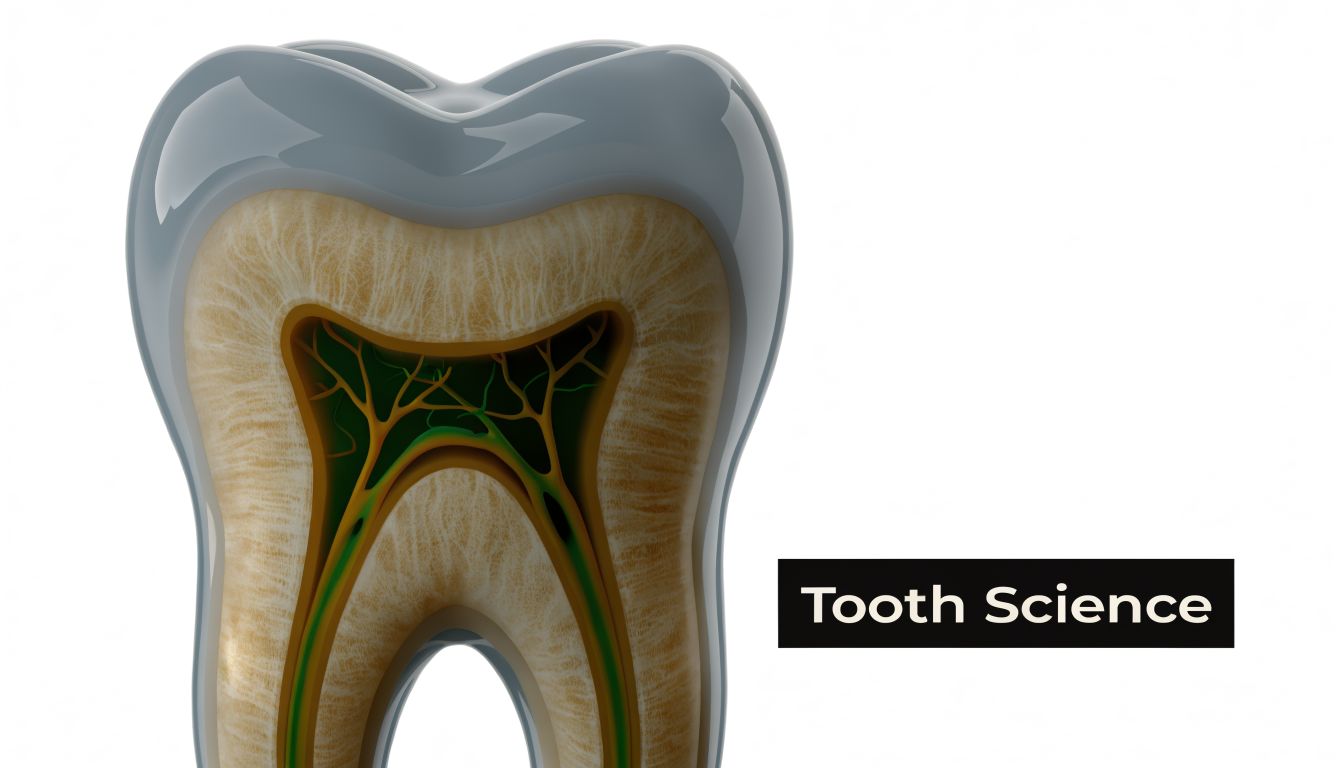
Think of dentin like tiny open channels
Dentin contains microscopic tubules. An easy way to picture them is as tiny straws or pores in a sponge. When enamel thins or wears away, those little channels become easier for outside triggers to affect.
That's why sweets, cold foods, and sometimes even air can make a tooth react. The signal travels inward and the nerve responds with pain.
Tooth sensitivity, known as dentin hypersensitivity, affects approximately 1 in 8 people worldwide. It arises when the protective enamel layer wears down, allowing stimuli like the sugar in chocolate to trigger sharp pain. The sugar interacts with oral bacteria to produce acids that lower mouth pH to as low as 5.5, accelerating this enamel demineralization, according to this overview of chocolate-related tooth sensitivity.
The chain reaction in plain English
Chocolate doesn't usually “attack” the nerve directly. The process is more like this:
- Sugar feeds bacteria that already live in the mouth.
- Bacteria produce acid after they break down that sugar.
- Acid weakens enamel and makes the tooth surface more vulnerable.
- Vulnerable enamel exposes dentin, or leaves it less protected.
- Dentin passes the signal inward, and the nerve reacts.
If the chocolate is cold, that can intensify the sensation. If it melts into a small crack or worn area, the pain may feel sharper and more focused.
Practical rule: If a tooth reacts to sweets more than once, don't assume it's random. Repeated sensitivity usually means something in that tooth has changed.
Why one kind of chocolate may hurt more than another
Milk chocolate often causes more complaints because it tends to be sweeter. A softer chocolate can also spread into grooves, between teeth, and around old dental work.
Temperature matters too. Refrigerated chocolate, chocolate ice cream, or candy with a cold filling can trigger both sweet sensitivity and temperature sensitivity at the same time. When patients say, “It only hurts with chocolate,” they often mean chocolate is the trigger that combines several factors at once.
Common Dental Problems That Cause Chocolate Sensitivity
Once a tooth starts reacting to sweets, the next question is what condition is creating that reaction. Several problems can do it, and they don't all feel the same.
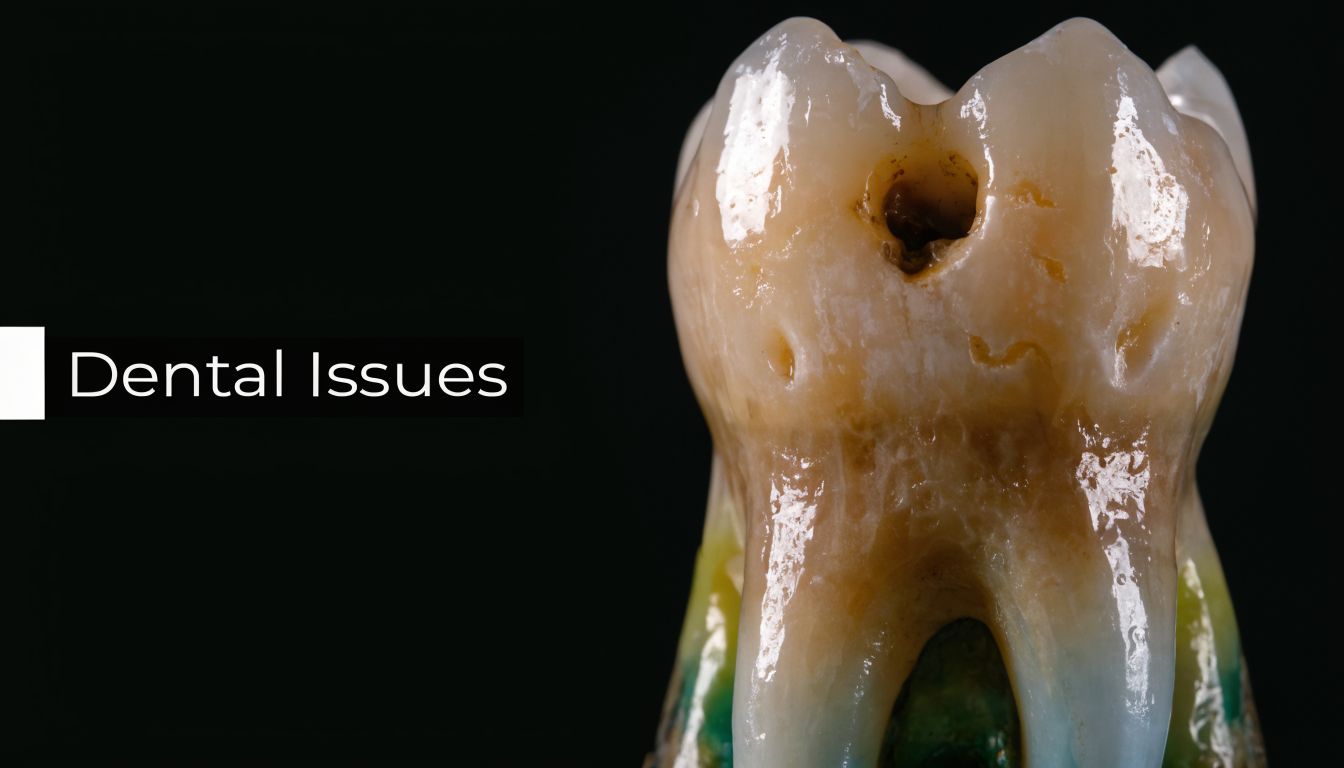
Cavities are a major reason
One of the most common causes is decay. Cavities from sugar are a primary driver of sensitivity, with 90% of US adults having experienced dental caries. Bacteria like Streptococcus mutans ferment sugars into acids that drop oral pH below 5.5, demineralizing enamel. This process is amplified by milk chocolate, which can contain 12-15g of sugar per ounce, as noted in this explanation of how chocolate affects teeth.
A cavity creates a weak spot in the tooth. Once sugar gets into that damaged area, the tooth can respond with pain. If you're wondering whether that's what you're dealing with, this guide on how to tell if you have a cavity can help you recognize common signs.
Other common causes
Not every sweet-sensitive tooth has a cavity. Here are other problems that can produce a similar “ouch” moment:
- Gum recession can expose the root surface near the gumline. That area doesn't have the same enamel protection as the crown of the tooth.
- Worn fillings or crowns can leave a margin where sugar and bacteria collect more easily.
- A cracked tooth may let sweets seep into a tiny opening. Patients often describe this as a very specific, sharp pain.
- General enamel wear can affect several teeth at once, especially if you brush too hard, grind your teeth, or snack on sugary foods often.
How the pain pattern can point to the cause
A quick comparison can help:
| Pain pattern | What it may suggest |
|---|---|
| Brief zing with sweets or cold | Sensitivity or enamel wear |
| One tooth hurts every time | Cavity, crack, or old dental work issue |
| Pain near the gumline | Gum recession or root exposure |
| Deeper ache that lingers | More advanced decay or nerve irritation |
This isn't a diagnosis, but it shows why the details matter. The location, timing, and intensity of the pain all give useful clues.
If the same tooth keeps reacting to chocolate, your mouth is giving you a consistent signal. It's worth having that tooth checked before the problem gets larger.
What You Can Do Right Now for Immediate Relief
If chocolate just triggered pain today, you probably want relief before anything else. Home care can help calm the area, even though it won't fix the underlying cause.
Simple steps that may help
- Rinse gently with lukewarm water. This can help wash away leftover sugar.
- Use a soft-bristled toothbrush. Brushing aggressively can make a sensitive spot feel worse.
- Pause sugary and acidic snacks for now. Giving the tooth a break may reduce repeated irritation.
- Try a toothpaste made for sensitive teeth. These products can help reduce sensitivity over time.
- Chew on the other side if needed. That can prevent repeated triggering of the same tooth.
A warm salt-water rinse may also feel soothing if the area is irritated.
What not to do
Don't keep testing the tooth with more sweets to “see if it still hurts.” And don't ignore pain that keeps coming back. Temporary relief is useful, but it's only a bridge.
If you need more short-term guidance, this article on how to stop tooth pain fast covers practical next steps.
Home remedies can reduce discomfort. They can't repair a cavity, close a crack, or rebuild worn enamel.
If the pain is frequent, focused in one tooth, or getting stronger, it's time for an exam.
Professional Treatments for Lasting Relief in Vienna VA
The right treatment depends on what's causing the sensitivity. The good news is that sweet-related tooth pain often becomes much more manageable once the source is identified and treated.
When the problem is early and surface-level
If the issue is mild sensitivity or early enamel weakness, treatment may focus on protecting the tooth and reducing nerve response. A dentist may recommend professional fluoride treatment, gentler hygiene techniques, or products designed to calm hypersensitive areas.
This kind of care is often part of preventive dentistry and family dentistry. It's especially helpful when the tooth structure is still largely intact and the goal is to stop the problem from progressing.
When there is visible damage
If decay has created a cavity, a tooth-colored filling can remove the damaged area and seal the tooth again. If the tooth has a larger weak spot or a failing restoration, a crown may be the better option because it covers and strengthens more of the tooth.
For some patients, same-day CEREC crowns are appealing because they restore the tooth efficiently without stretching treatment across multiple visits. That can be a practical option when a painful tooth needs prompt attention and more than a simple filling.
When the nerve may be involved
If sweet pain has changed into lingering pain, throbbing, or sensitivity that doesn't settle down, the inner nerve may be inflamed. That doesn't always mean a root canal is needed, but it does mean the tooth deserves closer evaluation. This overview of how to know if you need a root canal explains the warning signs patients often notice.
A painful tooth doesn't always need the most aggressive treatment. It needs the right treatment for the actual problem.
If the tooth can't be saved
Sometimes a tooth has too much structural damage, or the problem has gone untreated for too long. In those cases, restorative dentistry may include replacing the tooth rather than repairing it.
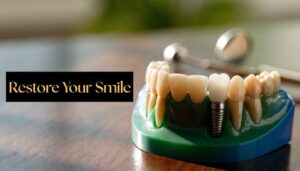
That's where dental implants can become part of the long-term plan. An implant replaces the missing tooth root and supports a restoration that looks and functions more like a natural tooth. For patients in Vienna, VA who want stability, chewing comfort, and a durable solution, implants are often one of the strongest options after tooth loss.
A helpful way to think about treatment is this:
| Dental issue | Common treatment direction |
|---|---|
| Mild sensitivity | Protective and desensitizing care |
| Small cavity | Filling |
| Larger structural damage | Crown |
| Nerve involvement | Deeper restorative evaluation |
| Lost or non-restorable tooth | Implant-based replacement |
The key is not to wait until every sweet, sip, or bite becomes a problem.
Schedule Your Pain-Free Consultation at Our Vienna Office
If you've been asking, why does chocolate hurt my teeth, your body is giving you useful information. Teeth usually don't become sensitive to sweets for no reason. Whether the cause is enamel wear, decay, a crack, or an old restoration, catching it early can make treatment simpler and more comfortable.
At Vienna Implant and Family Dentistry, patients from Vienna, VA and surrounding Northern Virginia communities can get clear answers in a calm, judgment-free setting. Dr. Vikram Chauhan and the team focus on practical care that fits the underlying problem, whether that means preventive treatment, a filling, a same-day CEREC crown, or a more advanced restorative plan.

Patients who feel nervous about dental visits often do best when they come in before the pain becomes overwhelming. A focused exam can identify what's triggering the sensitivity and help you move toward lasting relief instead of repeated flare-ups.
If chocolate, sweets, or cold foods are making you wince, don't keep guessing. Visit Vienna Implant and Family Dentistry to schedule your consultation and get a personalized plan for a healthier, more comfortable smile.