You’re brushing your teeth before bed, take a sip of cold water, and feel a quick sting in one spot. Maybe it disappears right away. Maybe it comes back the next morning with coffee or something sweet. That small twinge is often what sends people searching for how to tell if you have a cavity.
A cavity's onset is often not immediately apparent. They notice a hint. A strange sensitivity. A rough spot. A tooth that suddenly feels “different.” That uncertainty can be stressful, especially if you are trying to decide whether to wait, watch it, or call a dentist.
That Twinge in Your Tooth Could It Be a Cavity?
A common story goes like this. A parent in Vienna grabs a piece of chocolate from the pantry and feels a sharp zing on one side. The pain is brief, so it seems easy to ignore. A few days later, the same tooth reacts to iced tea. Then floss catches in that area. Now it feels less random.
That pattern matters because cavities often begin subtly.

For families in our area, this is not an unusual problem. According to CDC data, 1 in 5 adults (21%) aged 20 to 64 years have at least one untreated cavity, and for children, the numbers are even higher, which is why early attention matters for households in Vienna and Northern Virginia (CDC cavity facts).
Why cavities are easy to miss
A small cavity may not hurt at first. Early enamel changes can show up as:
- White spots that suggest early enamel weakening
- Brown or black spots that may signal active decay
- Tiny holes or dents in the tooth surface
- Sensitivity or toothache when eating or drinking
Some people expect obvious pain. Many never get that clear warning until the cavity has already gotten deeper.
When concern is reasonable
If a tooth keeps reacting in the same place, pay attention. One brief cold-sensitive moment may be nothing. A repeated pattern usually means your tooth is trying to tell you something.
Key takeaway: A cavity does not always start with a severe toothache. It often starts with a change you can feel before you can fully explain it.
A careful exam can sort out whether that twinge is decay, gum recession, early enamel changes, or something else entirely. The important part is not to panic, but not to dismiss it either.
Decoding Your Symptoms What Your Teeth Are Telling You
Not every sensitive tooth has a cavity. That is where people get confused.
A cavity tends to create a pattern. The discomfort is often tied to one tooth or one area, and it may show up with cold drinks, sweets, or pressure when biting. Other problems, like gum recession, can feel similar but behave differently.
The signs that point toward decay
Here are the symptoms that most often make me suspicious of a cavity:
- Pain with sweets or cold foods that seems focused on one spot
- A dull ache or occasional toothache that keeps returning
- A visible pit, hole, or rough area on the tooth
- Brown, yellow, or black discoloration that does not brush away
- Bad breath or a bad taste that seems tied to one area
- Pain when chewing on a certain tooth
Those signs do not prove a cavity on their own, but together they form a clearer picture.
When it may be something else
Sensitivity from exposed roots near the gumline can feel sharp too. The difference is often in the pattern.
One useful home clue is duration. If pain from cold or sweets lingers for more than 10 to 15 seconds, it is more suggestive of decay-related inflammation. Early chalky white spots can sometimes be reversed with fluoride before they turn into full cavities (guidance on distinguishing cavity pain from sensitivity).
Tip: Short, fleeting sensitivity near the gumline can come from recession. Sensitivity that lingers in one tooth deserves a closer look.
Symptom Decoder for common confusion
| Symptom | Likely a Cavity If… | Could Be Something Else If… |
|---|---|---|
| Cold sensitivity | It happens in one tooth and lingers | It feels brief and closer to the gumline |
| Sweet sensitivity | Sugar triggers a sharp response in the same spot | Multiple teeth feel mildly sensitive |
| Visible white spot | The area looks chalky and localized | It may be early demineralization, not yet a true cavity |
| Brown or black area | The spot stays put and may look sunken | It may also be staining, which needs a professional check |
| Pain when biting | One tooth feels sore with pressure | Clenching or a crack can also cause this |
| Bad breath from one area | Food seems to trap there repeatedly | Gum issues can also create odor |
What to do if you are unsure
If your symptoms are mild, watch for patterns for a day or two, not for months. Ask yourself:
- Is it the same tooth every time?
- Does the pain linger after the trigger is gone?
- Can I see a spot, shadow, or hole?
- Does floss catch there?
If pain is active right now, this guide on how to stop tooth pain fast can help you stay comfortable while you arrange an exam.
The goal at home is not to diagnose yourself with certainty. It is to notice enough to know whether you should get checked.
How to Safely Check Your Teeth at Home
A home check can be useful if you do it gently and realistically. The biggest mistake people make is trying to “test” a tooth too aggressively. Poking around with something sharp can irritate the area and does not tell you much.
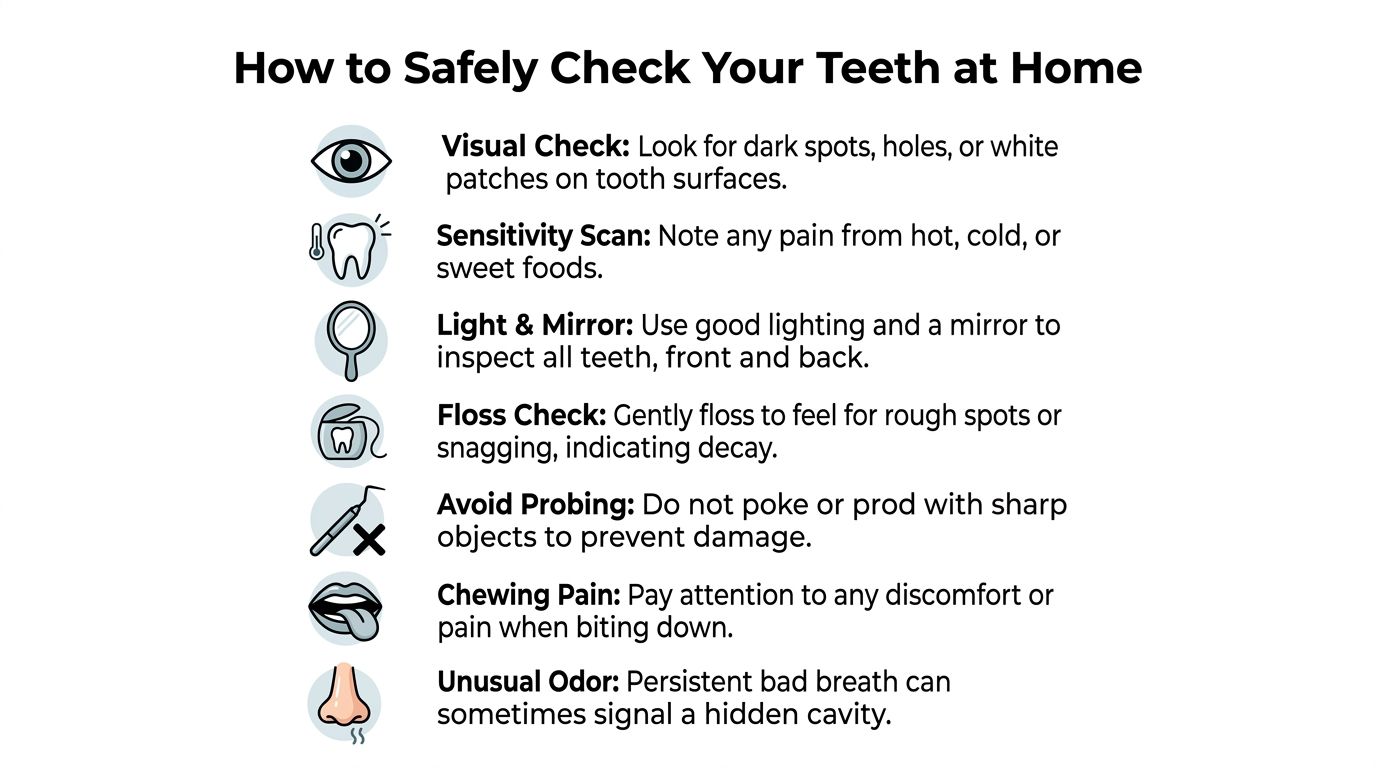
A safe five-step self-check
Start with clean hands, a mirror, and bright light.
Look carefully at the front and back surfaces. Search for white patches, dark spots, small holes, or places where enamel looks dull instead of smooth.
Check how the tooth responds. Notice whether cold water, sweets, or chewing trigger discomfort in one specific area.
Use floss gently. If floss repeatedly shreds, catches, or feels rough between the same teeth, that area deserves attention.
Notice your breath and taste. A persistent unpleasant taste or odor from one area can be a clue that food and bacteria are collecting where they should not.
Pay attention to biting. A cavity that has moved deeper can make chewing feel tender or uneven.
What not to do
Avoid turning your bathroom into a dental operatory.
- Do not poke a tooth with pins, tweezers, or toothpicks
- Do not scrape dark spots hard to “see if they are soft”
- Do not keep repeating hot-cold tests if the tooth is already irritated
- Do not assume no pain means no cavity
Many people are surprised by that last point. More than 80% of Americans have at least one cavity by their mid-30s, and many begin without symptoms between the teeth where you cannot see them without a dental X-ray (NHANES-based overview of cavity prevalence and hidden decay).
Practical rule: Use your eyes, your awareness, and gentle floss. Leave probing and diagnosis to the dentist.
Red flags that need a prompt call
Some symptoms should move you from “watching it” to “call now.”
- Throbbing pain that keeps returning or wakes you up
- Swelling in the gums, cheek, or jaw
- Pain when biting that is getting worse
- A visible pimple-like bump on the gum
- A cracked tooth with pain
- Fever or feeling unwell along with dental pain
These signs can mean the problem is deeper than a small surface cavity.
What a home check can and cannot do
A mirror can help you spot obvious trouble. It cannot reliably show what is happening between teeth or under the surface. So if you are wondering how to tell if you have a cavity, think of the home check as a screening step, not a final answer.
That distinction matters because early action is usually simpler than waiting for the tooth to force the decision.
How a Dentist Confirms a Cavity The Vienna Dentistry Way
Individuals often feel better once they know what happens during a cavity exam. It is usually much calmer and more straightforward than they expect.
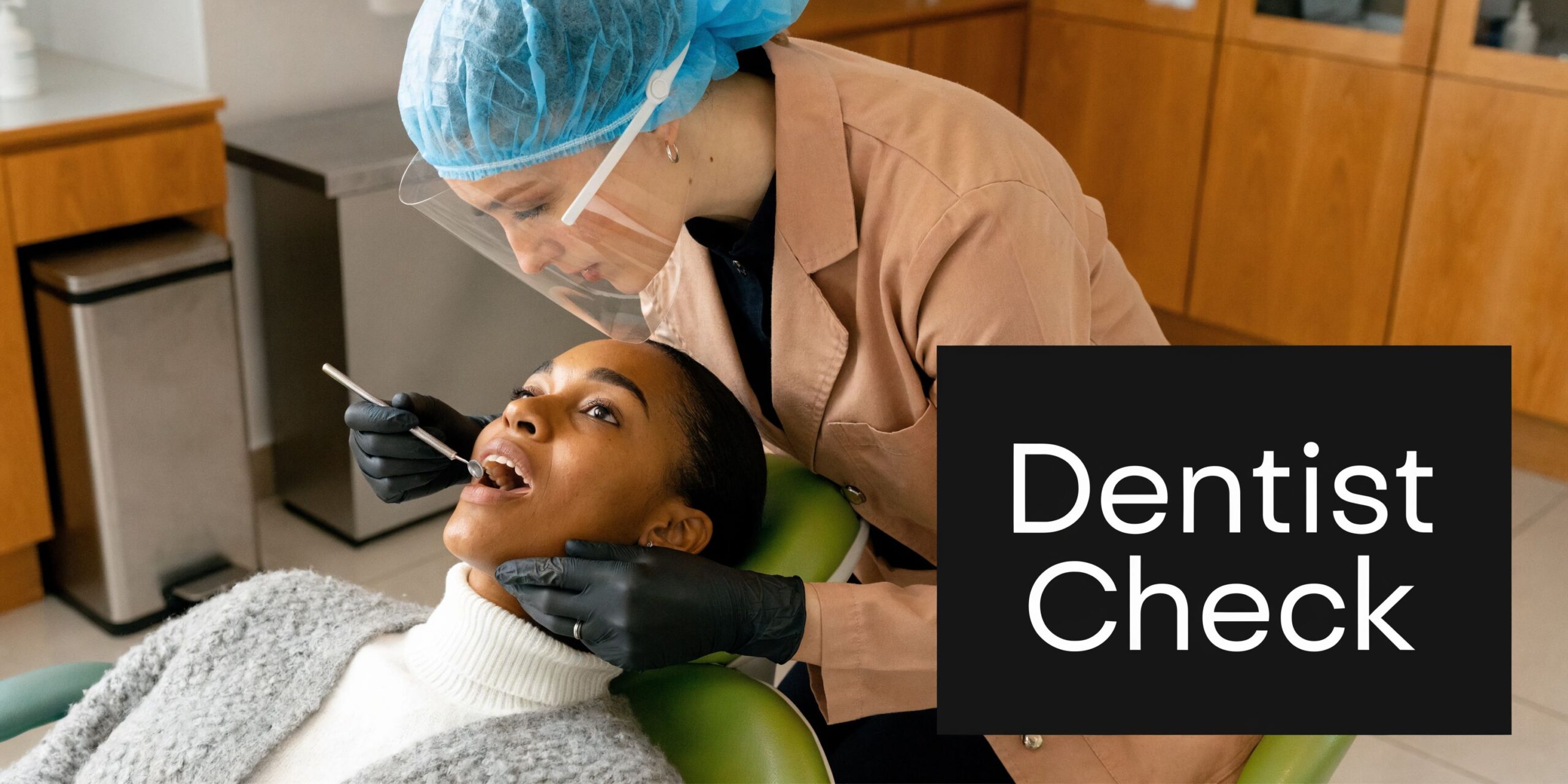
First comes a close visual exam
The appointment usually starts with a simple look under bright light. The dentist checks for color changes, softened enamel, pits, shadows, and food traps. This step is especially helpful for cavities on chewing surfaces or around old dental work.
A good exam is not rushed. The dentist is looking for small changes in texture and shape, not just obvious holes.
Then comes a gentle tactile check
A dentist may use an explorer to feel suspicious areas carefully. This is not the old-fashioned “dig around until it hurts” approach people sometimes imagine. The goal is to detect whether enamel feels softened or irregular.
That matters because some dark areas are stains, not decay. Other places look normal but feel softer than they should.
X-rays find what eyes cannot
This is the part that often answers the mystery. At Vienna Implant and Family Dentistry, we use a combination of tactile examination and high-resolution digital bitewing radiographs. X-rays alone can detect 85 to 95 percent of cavities that have reached the dentin layer, many of which are completely invisible during a visual inspection (details on digital cavity detection).
A bitewing X-ray is especially useful for:
- Between-the-teeth cavities
- Decay under existing fillings
- Cavities that have already moved past the enamel
- Areas that look normal on the outside
For patients who want to understand the imaging process better, this page on digital X-rays gives a clear overview.
Key point: If your tooth feels sensitive but looks normal in the mirror, that does not rule out a cavity. Hidden decay is common.
When imaging and visuals work together
A dentist does not rely on one clue alone. The full picture emerges from combining what you describe, what the dentist sees, what the tooth feels like on exam, and what the X-ray shows.
That combination helps avoid two common mistakes:
- Missing an early problem
- Treating a stain or harmless defect like decay
Why this often lowers anxiety
Uncertainty is stressful. A clear diagnosis usually reduces that stress.
When patients can see the area on a screen, hear what the dentist is noticing, and understand why treatment is or is not needed, the visit feels less mysterious. That transparency helps people make decisions without feeling rushed or talked into something.
Treating Cavities and Restoring Your Smile in Vienna
Once a cavity is confirmed, the next question is simple. How big is it, and what does the tooth need now?
The answer depends on how much structure the cavity has affected. Small and moderate cavities are usually restored differently from larger, weaker teeth.

When a filling is enough
If decay is caught before too much tooth structure is lost, a tooth-colored filling is often the right fix. The damaged portion is removed, and the space is sealed with composite material matched to your natural tooth shade.
Patients usually like fillings for two reasons:
- They preserve more natural tooth structure
- They blend in well cosmetically
For a small cavity, this is often the simplest path back to comfort.
When a crown makes more sense
A crown is used when the tooth needs more protection than a filling can provide. This is common when decay is larger, an old filling has failed, or the tooth is more likely to crack under pressure.
Think of it this way. A filling repairs a section. A crown covers and supports the whole visible chewing portion of the tooth.
A simple comparison
| Treatment | Best for | Main goal |
|---|---|---|
| Tooth-colored filling | Smaller areas of decay | Remove decay and seal the tooth |
| Crown | Larger decay or weakened tooth | Protect the tooth from further breakdown |
What patients often ask
Will the treatment match my smile?
Modern composite fillings are designed to blend with natural enamel. Crowns can also be made to look natural and fit your bite comfortably.
Does treatment always take multiple visits?
Not always. Some offices use CEREC same-day crowns, which can restore a tooth in one visit when a crown is needed.
What if I am nervous?
That concern is common. Sedation options can help anxious patients get treatment more comfortably, especially if they have been putting off care for a while.
Good news: A cavity diagnosis is usually a repair problem, not a catastrophe. The earlier you deal with it, the more conservative the treatment usually is.
Why timing changes everything
A small cavity tends to stay a filling only if it is treated while it is still small. If decay keeps spreading, the tooth may need more extensive restoration later.
That is why people often feel relieved after finally coming in. The fear of the unknown is usually worse than the actual treatment plan.
If a damaged tooth cannot be restored with a filling alone, a crown can protect function, improve comfort, and help you chew normally again. The result is not just less pain. It is a tooth that feels usable and secure.
Your Guide to a Cavity-Free Future in Northern Virginia
The best cavity treatment is still prevention. Not because anyone can prevent every problem perfectly, but because small habits and regular exams catch trouble before it becomes disruptive.
Daily habits that help
A few basics go a long way:
- Brush thoroughly with fluoride toothpaste
- Floss once a day to clean where your toothbrush cannot reach
- Watch recurring sensitivity instead of waiting for severe pain
- Schedule regular checkups so hidden areas can be evaluated professionally
Early chalky enamel changes may sometimes be managed before they become full cavities. That is one more reason not to ignore subtle changes.
Why prevention works better with a long-term dental home
A dentist who sees you regularly can compare X-rays over time, monitor early spots, and notice when a small concern starts changing. That kind of continuity is especially helpful for families, busy adults, and anyone with a history of sensitivity or past dental work.
If you want to understand the bigger picture, this article on why preventative dentistry is the key to a healthy smile explains why routine care matters beyond simple cleanings.
When it is time to reach out
Call sooner rather than later if you notice:
- A tooth that reacts repeatedly
- A visible spot or hole
- Pain that lingers
- Swelling or worsening bite pain
- A child mentioning sensitivity in the same area
For people in Vienna, VA and nearby Northern Virginia communities, having a local office that offers emergency care, sedation options, and routine preventive visits makes the next step easier.
If you are still wondering how to tell if you have a cavity, the answer is usually this. Notice the pattern, do a gentle home check, and get a professional exam when something keeps coming back. Clear answers reduce worry. Early treatment protects your tooth.