A tooth doesn’t always break because of one dramatic accident. Often, you’re eating something ordinary, you feel a sudden crunch, and then your tongue finds a sharp edge that wasn’t there before. That moment can be unsettling, especially if it’s happened more than once.
If you’ve been asking why do my teeth keep breaking, the short answer is that teeth usually fail when stress and weakness meet. The stress might come from grinding, clenching, or the way your bite comes together. The weakness might come from decay, enamel wear, or an old filling that no longer supports the tooth well. The good news is that this pattern is understandable, treatable, and often preventable.
For patients in Vienna, VA and nearby Northern Virginia communities, it helps to know there’s a clear path forward. First, identify why the tooth broke. Then protect what can be saved. Finally, choose the right long-term fix so you’re not stuck in a cycle of repeat fractures.
That Sudden Crack The Worry of a Breaking Tooth
You bite into lunch, hear a small crack, and freeze. Maybe it was toast, a nut, or something that didn’t even seem hard. For the rest of the day, you chew on the other side, worried the tooth will split more or start hurting.
That reaction is completely normal. It is often assumed that a broken tooth means they did something wrong, or that the tooth must have been weak for a long time without them knowing. In many cases, that’s exactly what happened. Teeth can develop tiny areas of damage long before you ever notice a visible chip.
A common source of confusion is this: if the food was soft, why did the tooth break then? The answer is that the food may not have caused the problem by itself. It may have been the moment when an already stressed tooth finally gave way.
A broken tooth is often the final sign of a problem that has been building quietly for months or years.
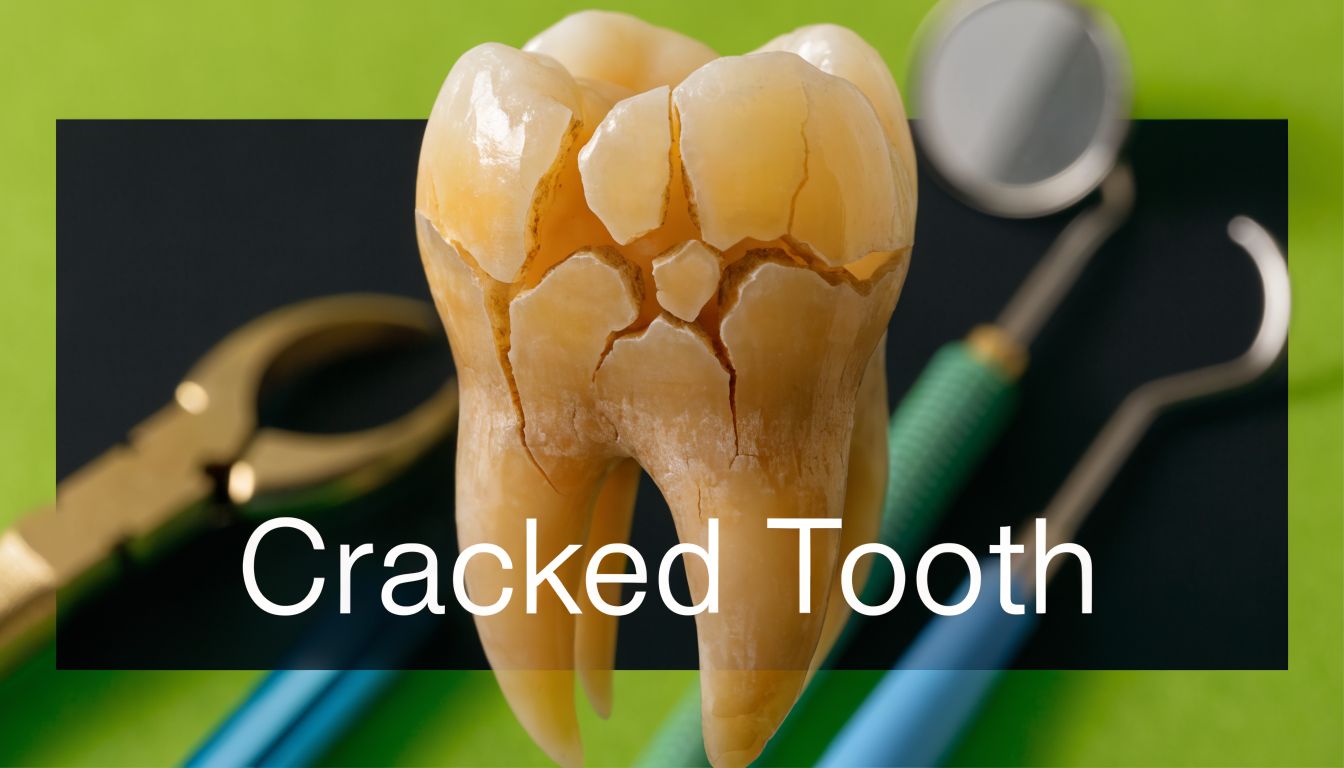
Sometimes the break is obvious. You can see a missing corner or feel a rough edge. Other times it’s more subtle, such as pain when you release your bite, a sudden sensitivity to cold, or the sense that one tooth doesn’t fit together the same way anymore.
Here’s what matters right away:
- Don’t keep testing it: Repeatedly biting on the tooth can make a small crack worse.
- Choose soft foods: This lowers pressure on the damaged area until you’re evaluated.
- Get it checked promptly: Even a tooth that isn’t hurting can have a deeper fracture.
If you’re dealing with this right now, it may help to review what to do for a cracked tooth. A calm, timely response often makes treatment simpler.
Common Reasons Your Teeth Keep Breaking
A tooth usually breaks for one of three reasons. It has been under too much force, it has lost some of its natural strength, or both problems are happening at the same time. That is why a tooth can crack during an ordinary lunch. The final bite was the moment the weakened area gave way.
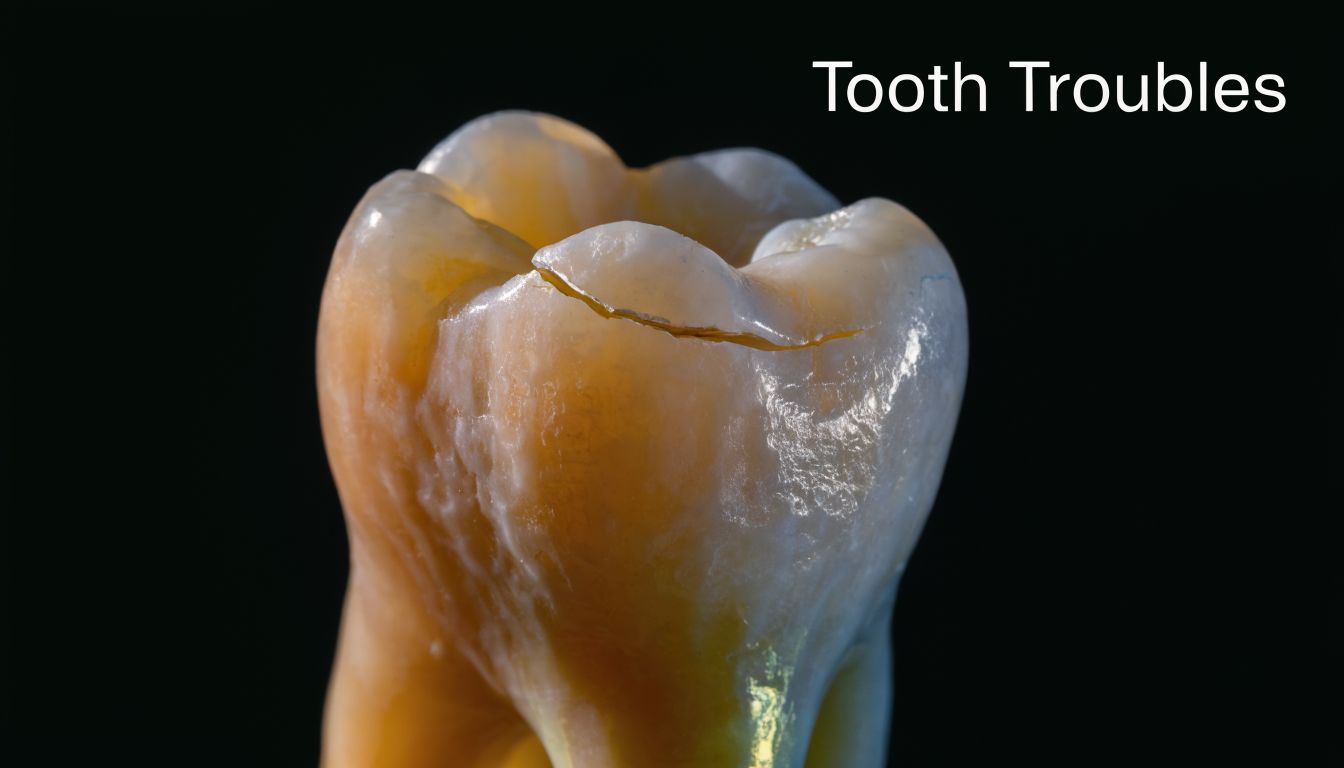
Grinding and clenching can overload teeth
One common cause is bruxism, or grinding and clenching. According to this discussion of why teeth are breaking more often, the forces from clenching can be far higher than normal chewing forces. Repeated pressure like that works on a tooth the way bending a paper clip works on metal. One bend may not break it, but repeated stress creates a weak point.
Many patients in Vienna are surprised to learn they may be doing this without realizing it. Some clench while driving on I-66, working at a desk, or concentrating through a stressful day. Others grind at night and only notice sore jaw muscles, morning headaches, or flattened tooth edges.
Poor head and neck posture can add to the problem because it changes how the teeth meet. If the back teeth absorb too much force over and over, small cracks become more likely.
If that sounds familiar, this guide on what causes teeth grinding at night explains the pattern in more detail.
Enamel can thin and lose its protective role
Enamel is the hard outer shell of the tooth. It works like a helmet. Once it gets thinner, the softer inner structure has less protection against pressure and temperature changes.
Acidic drinks, reflux, frequent snacking on acidic foods, and hard brushing habits can all wear enamel down over time. Patients are often confused by this because they brush regularly and try to do the right things. The issue is not neglect. It is gradual loss of a protective layer that used to help the tooth absorb everyday stress.
Decay and older dental work can leave the tooth hollowed out
A tooth can look fairly normal from the outside and still be structurally weak. Decay removes healthy tooth material. Large fillings can also leave the remaining walls thinner, a bit like a house that still stands but has less framing inside to support the roof.
This matters a lot in back teeth. Molars handle heavy chewing forces, so a tooth with a large old filling or hidden decay can split more easily than a tooth that still has most of its natural structure. In many cases, the break patients notice is only the visible part of a bigger problem underneath.
Teeth can fatigue with age and repeated repairs
Teeth are durable, but they are not indestructible. Years of chewing, old fillings, temperature changes, and prior dental work add up. Small defects can build over time until one area can no longer handle normal function.
This is one reason the same tooth may chip more than once.
If that has happened to you, the answer is usually not to keep patching the surface and hoping for the best. The better approach is to find out whether the tooth now needs stronger protection, such as a crown, an onlay, or another restoration that covers and supports the weak area. For anxious patients in Vienna, knowing there are options like CEREC same-day crowns and sedation dentistry often makes the next step feel much more manageable.
A useful rule of thumb: when teeth keep breaking, the pattern usually points to force, weakness, or both. Once your dentist identifies which one is driving the problem, treatment becomes much more targeted and predictable.
How Your Vienna Dentist Diagnoses Weak Teeth
A tooth can break in one spot while the underlying problem starts somewhere else. That is why your Vienna dentist does more than inspect the missing piece. The goal is to find out what weakened the tooth, what forces are hitting it, and which treatment will give it the best chance to last.
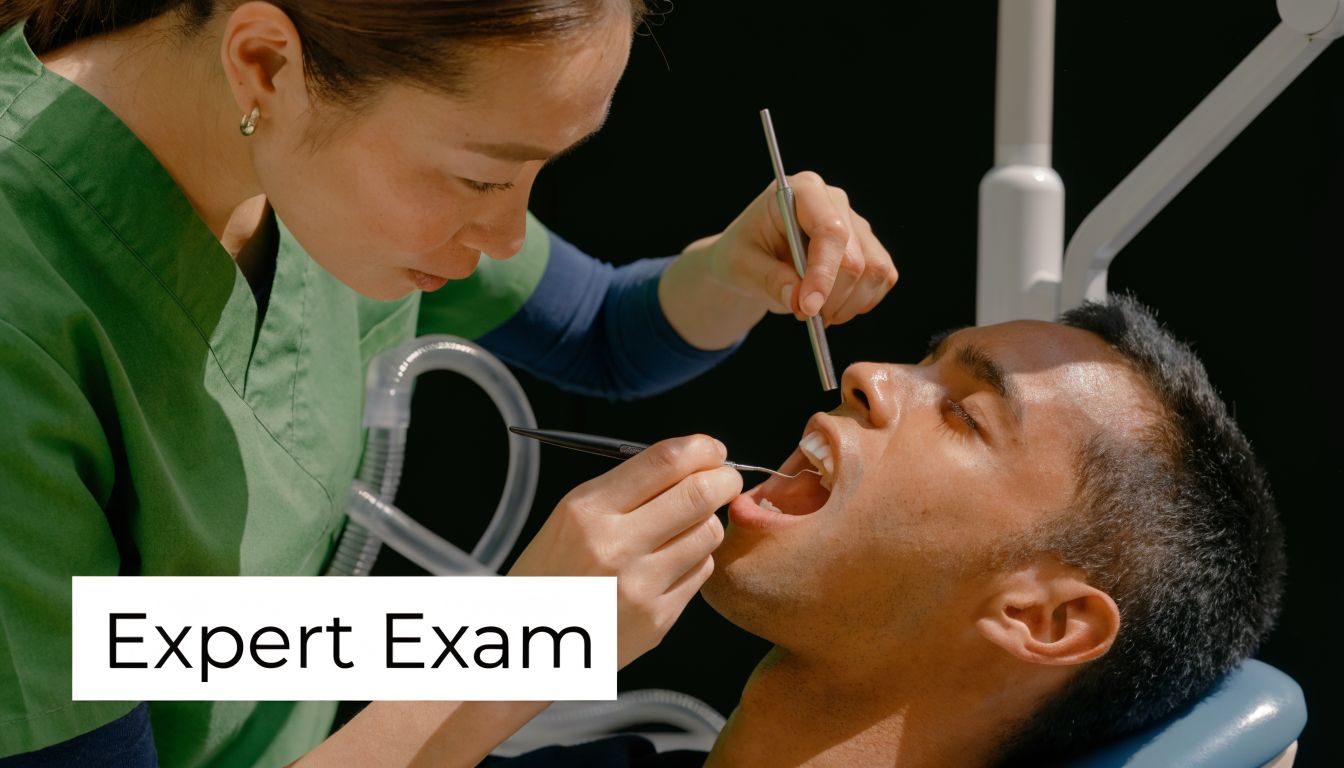
First, your dentist studies the pattern of the break
Dentists look for clues the way a mechanic listens for where a car noise starts, not just where you hear it loudest. A small chip on a front tooth often points to one set of causes. A back tooth with a fractured cusp suggests a different kind of stress.
Your history helps narrow that down. Did it crack while chewing bread, ice, or nothing unusual at all? Does cold trigger a quick zing, or do you feel pain when you bite and release? Has that tooth had a filling, crown, or root canal before? Those details help show whether the problem is shallow, deeper inside the tooth, or related to how the tooth has been carrying force over time.
Then your dentist checks what you cannot see in the mirror
Weak teeth often hide their biggest problems below the surface. Decay under an old filling, a crack running toward the root, or a tooth that has lost support internally may not be obvious from the outside.
That is where digital X-rays and a close clinical exam help. They can reveal hidden decay, the condition of older dental work, bone support around the tooth, and changes near the nerve. If the remaining tooth structure looks thin or unsupported, your dentist may also talk with you about whether a filling is still enough or whether the tooth now needs more protection. If you want a clearer sense of that decision, this guide on when a tooth needs a dental crown explains what dentists look for.
Your bite is part of the diagnosis too
Sometimes the tooth that breaks is the one taking the heaviest load. If your bite hits unevenly, or if you clench at night, one tooth can end up absorbing more pressure than it was built to handle.
That is why a repeat breakage exam usually includes more than one test:
- Visual crack check: Looking for fracture lines, worn edges, leaking margins, and areas where the tooth structure has become thin.
- Digital imaging: Checking for hidden decay, breakdown under old restorations, and problems extending below the gumline.
- Bite review: Identifying whether certain teeth hit early or carry more force during chewing and clenching.
- Pulp and sensitivity testing: Finding out whether the nerve is healthy, irritated, or affected by a deeper crack.
For many patients in Vienna, VA, this is the point where the situation starts to feel less confusing. Once the cause is clear, the treatment path usually becomes clear too. A tooth may need a bonded repair, a crown, a same day CEREC crown for faster protection, or care planned with sedation dentistry if anxiety has been delaying treatment. A good diagnosis turns worry into a practical plan.
Modern Restorative Treatments for Broken Teeth
Treatment depends on how much healthy tooth remains, whether the crack reaches the nerve, and whether the tooth can still be predictably saved. Some teeth need a simple repair. Others need full coverage. A few need replacement.
Small breaks and moderate damage
A minor chip may be treated with bonding, especially when the main issue is a small missing edge. Bonding can smooth the tooth and restore appearance quickly when the structure is still mostly intact.
If a front tooth has a cosmetic crack or worn area, veneers may sometimes be part of the discussion. They’re not the answer for every broken tooth, but they can help in the right situation when appearance and surface protection are both concerns.
For back teeth with deeper cracks, large fillings, or weakened cusps, a crown is often the more reliable option because it covers and reinforces the tooth rather than just patching one spot. If you’re weighing that decision, this guide on when you need a dental crown is a helpful next read.
Why crowns matter after root canal treatment
Root canal treatment removes infection and allows a tooth to stay in place, but it doesn’t automatically make the tooth strong. In fact, the protective step often comes afterward.
According to this summary of post root canal fracture risk, a 2023 study in the Journal of Endodontics found that uncrowned root canal teeth fractured at a rate 5 to 10 times higher within 2 years than crowned teeth, with a 36% failure rate uncrowned versus 4% crowned over 5 years. That same source says 2025 ADA guidelines emphasize same-day CEREC crowns for high-risk cases.
For busy patients in Vienna, that matters. A same-day crown can reduce the delay between diagnosis and protection.
Comparing Treatment Options for Broken Teeth
| Treatment | Best For | Process | Key Benefit |
|---|---|---|---|
| Bonding | Small chips or minor edge fractures | Tooth-colored material is shaped and polished onto the area | Conservative repair with minimal reshaping |
| Crown | Teeth with large cracks, heavy fillings, or major structural loss | The tooth is prepared and covered with a full restoration, including same-day CEREC options in some cases | Wraps and protects weakened tooth structure |
| Root canal plus crown | Teeth with deep cracks or nerve involvement that can still be saved | Infection is treated first, then the tooth is reinforced | Saves the tooth while restoring function |
| Veneer | Select front teeth with cosmetic damage or minor surface defects | A thin custom restoration is placed on the front of the tooth | Improves appearance while covering visible defects |
| Bridge | Missing tooth with healthy neighboring support | Uses adjacent teeth to support a replacement tooth | Restores chewing without a removable appliance |
| Dental implant | Tooth that cannot be saved or is already missing | The tooth is replaced from the root up with a fixed restoration | Long-term replacement that doesn’t rely on neighboring teeth |
The right treatment isn’t just about fixing today’s break. It’s about choosing the option that makes the next break less likely.
Strategies to Prevent Future Tooth Breakage
Once a tooth has broken, individuals often want the same reassurance. “How do I keep this from happening again?” Prevention works best when it matches the cause. If the problem is clenching, you protect against force. If it’s erosion or decay, you protect tooth structure.

Protect your teeth from grinding pressure
If you grind or clench, a custom occlusal nightguard can make a major difference. According to this review of top causes of tooth breakage, bruxism can create forces of 250 to 550 psi, compared with about 70 psi during normal chewing. The same source reports that custom nightguards reduced fracture incidence by 60% to 80% in longitudinal trials.
That’s why a store-bought guard isn’t always enough. A properly fitted appliance is designed to distribute force more evenly and reduce the stress placed on specific teeth.
Reduce the daily habits that weaken enamel
Not every prevention step is dramatic. Small habits matter.
- Be careful with hard foods: Ice, popcorn kernels, and very hard candy can trigger a crack in a tooth that’s already vulnerable.
- Watch acid exposure: Frequent acidic drinks or foods can soften enamel over time.
- Use a gentle brushing technique: Brushing harder doesn’t clean better, and it can wear away already thin enamel near the gumline.
Keep weak spots from becoming emergencies
Regular exams help your dentist find trouble before you feel a dramatic break. A cracked filling margin, a worn chewing surface, or a tooth that’s starting to split can often be managed earlier and more conservatively than a tooth that breaks suddenly on a weekend.
For families in Vienna, VA, that matters because daily life is busy. It’s easier to protect a tooth during a planned visit than to solve a painful fracture after it becomes urgent.
Teeth usually don’t go from healthy to broken overnight. Patients who stay ahead of wear, decay, and grinding tend to keep more treatment options open.
Your Next Step Toward a Stronger Smile in Vienna VA
If your teeth keep breaking, you’re not dealing with bad luck. You’re dealing with a pattern that needs a clear diagnosis and a solid plan. Once the cause is identified, treatment can move from repeated repairs to real protection.
At Vienna Implant and Family Dentistry, Dr. Vikram Chauhan and the team help patients in Vienna, VA and surrounding Northern Virginia communities understand what’s happening, what needs attention now, and what will protect their smile long term. Care is designed to feel calm, judgment-free, and practical for real families and busy adults.
That includes support for common barriers that keep people from scheduling. If dental anxiety has made you put off treatment, sedation dentistry can help you feel more comfortable. If cost is part of the hesitation, the office offers transparent options and an in-house Smile Savings Plan for uninsured patients. If the problem is urgent, same-day emergency appointments are available for injuries and tooth pain.
Whether you need a careful exam, a same-day CEREC crown, help with a cracked root canal tooth, or a long-term replacement such as a dental implant, you don’t have to sort it out alone.
If you’re ready to stop asking why do my teeth keep breaking and start getting answers, contact Vienna Implant and Family Dentistry at 112 Pleasant St. NW, Suite H, Vienna, VA 22180 or visit Vienna Implant and Family Dentistry to schedule your consultation.