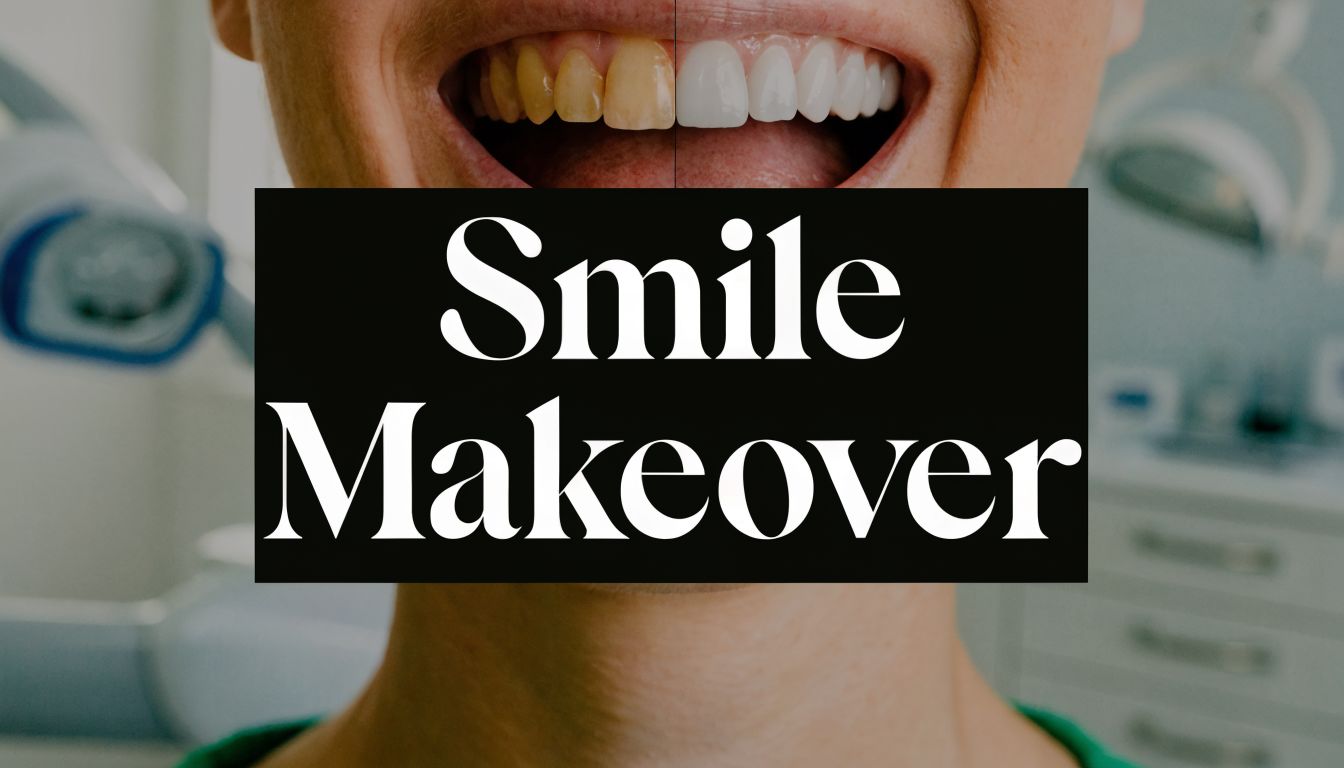
From Dull to Dazzling: Real Teeth Whitening Stories in Vienna, VA
Is your smile not as bright as it used to be? Coffee, tea, wine, and time itself can leave teeth looking stained and yellowed, which can make you think twice before smiling in photos, at work, or during everyday conversations. That feeling is common, and it’s one reason whitening has become such a mainstream dental service.
In the United States, up to 19% of Americans have whitened their teeth, people under 45 are about twice as likely to pursue whitening as older adults, and 67% of U.S. adults have attempted whitening at some point, according to teeth whitening market and consumer trend data. At Vienna Implant and Family Dentistry, we see that same interest from patients across Vienna, VA and nearby Northern Virginia communities who want a smile that looks fresher, healthier, and more confident.
Led by Dr. Vikram Chauhan, our team provides personalized whitening care designed around comfort, stain type, timing, and long-term smile goals. Below, you’ll find seven realistic before and after teeth whitening scenarios based on the kinds of smile concerns patients bring to our Vienna office every day. The point isn’t to promise the exact same outcome for everyone. It’s to show how the right method, the right timeline, and clear expectations can turn a dull smile into a noticeably brighter one.
1. Case 1 Quick Brightening for a Special Event
Some whitening cases are simple. The patient has healthy teeth, moderate staining, and a firm deadline.
That was the situation for a Vienna patient preparing for a college reunion. She didn’t want a drawn-out process. She wanted to walk in with yellowed teeth and walk out looking refreshed, polished, and photo-ready.
What changed so quickly
For this type of case, in-office whitening usually makes the most sense because it delivers visible improvement right away. Professional in-office whitening commonly produces meaningful shade changes in one appointment, with many patients seeing about 6 to 8 shades of whitening per session, according to clinical expectations for in-office whitening before and after results.
That matters when someone has a reunion, engagement party, interview, or family photo session on the calendar. There’s no guessing whether a store-bought strip will be enough. You can plan around a defined visit.
Practical rule: If your event is close, start with a dental exam first. Whitening works best when your teeth and gums are healthy and surface buildup has been addressed.
Her staining was moderate rather than extreme, which often responds well to chairside whitening. The focus wasn’t an artificial bright-white look. It was lifting the yellow tone enough that her smile looked cleaner, lighter, and more energetic.
What patients usually notice first
The first thing many people notice in before and after teeth whitening photos isn’t just color. It’s how much more even the smile looks. Lighter teeth can reflect light differently, so the whole smile tends to appear fresher.
For an event-driven patient, the biggest benefit is speed. She didn’t need months of treatment. She needed a safe, controlled option that fit into real life. That’s often what professional whitening does best.
2. Case 2 Gentle Whitening for Sensitive Teeth
Sensitivity changes the conversation. A patient may want whiter teeth but still hesitate because cold drinks, sweet foods, or even brushing already trigger discomfort.
That concern came up with a Northern Virginia patient who had avoided whitening for exactly that reason. He assumed brighter teeth would mean a painful recovery. Instead of pushing him toward the fastest option, we focused on a slower and more comfortable approach.
Why a gradual plan often works better
Sensitive teeth don’t automatically rule out whitening. They usually mean the method needs to be adjusted. A take-home professional system can allow shorter wear times, closer monitoring, and better pacing.
If you’ve been worried about discomfort, our page on teeth whitening for sensitive teeth explains how dentists can tailor treatment rather than using a one-size-fits-all formula.
In real life, that might mean whitening over a longer stretch instead of trying to force dramatic change in one sitting. Patients often prefer that tradeoff because they stay comfortable and still see their smile brighten over time.
What comfort-focused whitening looks like
A gentle whitening plan usually includes a few practical decisions:
- Shorter sessions: Less exposure at one time can help patients tolerate treatment better.
- Closer follow-up: We can adjust timing if sensitivity starts to build.
- Steady expectations: The goal is a noticeable improvement that feels manageable, not a race to the brightest possible shade.
Whitening doesn’t have to be aggressive to be effective. For some patients, the best result is the one they can complete comfortably.
This kind of before and after teeth whitening result tends to look natural because the shift happens gradually. Patients often say friends notice they look refreshed, but can’t always tell exactly why. That’s usually a good sign.
3. Case 3 Correcting Deep, Stubborn Stains
A patient from Vienna came to Vienna Implant and Family Dentistry after years of smoking had left his smile looking darker and more uneven than he wanted. He had already tried whitening strips and store-bought toothpastes. The change was minor, and it never lasted.
Why deep stains need a different strategy
Deep staining behaves differently from the yellowing many people notice from coffee or tea. Surface stains are more like a film on a countertop. Long-term tobacco staining can settle in more stubbornly and make the whole tooth look dull, not just discolored.
That changes the plan.
Instead of trying to force a dramatic result in one visit, we often use a staged approach. An in-office treatment gives the smile an initial lift. Then a take-home system continues the process more gradually, which gives us more control over shade changes and helps the final result look more even.
This also helps answer a question many patients have. “If whitening strips barely worked, why would professional whitening be different?” The short answer is strength, fit, and supervision. Custom trays hold gel against the teeth more precisely than one-size-fits-all products, and the treatment can be adjusted based on how each area responds.
What this patient’s timeline looked like
For this case, the improvement came in phases rather than all at once:
- Visit 1: Evaluate the stain pattern and confirm whitening was a good option.
- In-office whitening: Start breaking up the heavier discoloration.
- Take-home whitening period: Continue brightening over the next couple of weeks with a dentist-guided plan.
- Follow-up check: Compare the new shade, review any uneven areas, and discuss maintenance.
That step-by-step process matters with stubborn stains because some teeth brighten faster than others. Front teeth may respond one way. Canines often stay darker longer. Watching that pattern helps us set realistic expectations and avoid a result that looks patchy or overdone.
If you are weighing professional approaches for heavier discoloration, our guide to best teeth whitening options for different types of stains explains why the right method depends on the cause and depth of the staining.
Deep, set-in stains usually improve best with a phased plan and careful follow-up, not a one-day shortcut.
The before and after in cases like this can be striking, but the goal is still realism. We want neighbors here in Vienna, VA to see what happens in a dentist’s office. A strong result, a believable shade, and a smile that looks healthier without looking artificial.
4. Case 4 Whitening as Part of a Full Smile Makeover
Whitening doesn’t always stand alone. Sometimes it’s one step in a bigger cosmetic plan.
A patient in Vienna wanted a brighter smile, but she also had a chipped front tooth that drew attention every time she talked. If we only whitened her teeth, the chip would still be there. If we restored the tooth before whitening, the final color match could be off.
Why sequencing matters
For greater precision in smile design, we typically want to establish the shade of the natural teeth first, then match cosmetic restorations to that new baseline. That sequence can make the final smile look much more cohesive.
Patients often don’t realize one important limit of whitening. The American Dental Association notes that whitening can be effective on extrinsic and intrinsic staining, but bleaching only changes natural tooth structure, not restorations. As explained in guidance on uneven whitening and existing dental work, crowns, veneers, and fillings can appear darker once nearby natural teeth become lighter.
The hidden issue patients should know about
That contrast catches people off guard. They love the brighter natural teeth, then suddenly notice an older crown or bonding that no longer blends.
For patients considering a broader cosmetic update, whitening should be part of the planning conversation from the start. Our page on what a smile makeover can include explains how treatments like whitening, veneers, and other cosmetic improvements can work together.
- Whiten first: This helps define the target shade for visible natural teeth.
- Reevaluate restorations after: A veneer or crown can then be selected to match the new smile.
- Consider the overall picture: One small chip, one dark filling, or one old crown can affect the final look more than patients expect.
This kind of before and after teeth whitening result isn’t just about brighter teeth. It’s about getting all the visible pieces of the smile to work together.
5. Case 5 A Youthful Boost for a Mature Patient
A patient from the Vienna, VA area in his 60s came to Vienna Implant and Family Dentistry with a goal many mature adults share. He wanted his smile to look fresher, not artificially white. Years of coffee, tea, and normal wear had left his teeth with a deeper yellow tone, and he wanted to soften that effect without changing the character of his smile.

Why a gradual approach often works better for older smiles
For this case, the goal was control.
A professionally guided take-home whitening system usually makes sense for patients who want a modest, natural-looking change. It works a bit like dimming a light slowly instead of flipping on a spotlight. The shade can improve step by step, which gives the patient and dentist time to judge when the teeth look brighter, healthier, and still age-appropriate.
That matters more than many people expect. Mature teeth often have small surface changes, tiny lines, or existing dental work that make an overly bright result look less believable. A softer improvement tends to blend better with the lips, skin tone, and overall facial features.
What this transformation actually looked like
His treatment was paced over days rather than pushed into one dramatic appointment. We watched for comfort, monitored the shade change, and stopped at the point where his smile looked more awake and less yellow.
That is often the sweet spot.
Patients in this age group are rarely asking for a celebrity-white finish. They usually want the smile they remember having a decade or two earlier. In before and after teeth whitening cases like this one, the win is not shock value. The win is that friends may notice he looks well rested without immediately guessing why.
The result patients notice first
The first change is often emotional, but it shows up in ordinary moments. People smile without checking themselves. They stop angling their face away in photos. Video calls and family pictures feel easier.
For this Vienna patient, the result looked believable because it matched his goals from the start. His teeth did not look different from him. They looked more like him, just brighter and more lively.
6. Case 6 Wedding-Ready Smile on a Deadline
Three months before a wedding, the calendar starts to feel crowded. Dress fittings, seating charts, travel plans, photos. For one Northern Virginia bride who visited Vienna Implant and Family Dentistry, there was one more item on the list. She wanted a brighter smile that would look beautiful in person and believable in close-up photos.

Planning around the date that matters most
For wedding cases, the schedule matters almost as much as the whitening method. The goal is not solely to whiten as fast as possible. The goal is to reach the right shade at the right time, with enough room to check comfort and make small adjustments if needed.
A useful way to picture it is like tailoring a suit or altering a dress. You do not wait until the night before. You leave time for the first fitting, a review, and any final refinements so everything looks natural on the big day.
That is how this case was handled.
We mapped the treatment backward from her photography schedule, including portraits and pre-wedding events, then chose a pace that gave her smile time to settle into a bright, polished look instead of a rushed one.
Why a deadline changes the treatment plan
Patients often assume wedding whitening means one powerful appointment and done. In real cases, the best result is often more controlled than that. A single in-office session can create the first noticeable jump in brightness, while a short period of home whitening helps even out the shade and maintain it up to the event.
That combination works well for deadline cases because it gives us two forms of control. The office treatment creates momentum. The take-home phase fine-tunes the result, much like adjusting the lighting after the main photo setup is already in place.
For this Vienna-area patient, that mattered. She did not want ultra-white teeth that drew attention for the wrong reason. She wanted a smile that looked healthy, fresh, and flattering under natural light, indoor lighting, and a camera flash.
What the before and after actually showed
Her starting shade had the kind of staining many busy adults recognize. Coffee, daily wear, and time had left the teeth a little dull, especially in photos. After treatment, the smile looked cleaner and brighter, but still realistic for her face, skin tone, and overall features.
That is what makes wedding whitening successful.
The result should support the whole look, not compete with it. In this neighbor-to-neighbor transformation from Vienna Implant and Family Dentistry, the win was not an artificial white finish. The win was that her smile looked more vibrant, more photo-ready, and fully like her on one of the most photographed days of her life.
7. Case 7 Reversing Stains from Medication
Intrinsic discoloration is a different challenge entirely. These stains are built into the tooth rather than sitting mainly on the surface.
A patient with tetracycline-related staining came to our Vienna practice after assuming whitening wouldn’t help enough to matter. Her teeth had a gray-brown cast that had been present for years, and she’d mostly given up on cosmetic improvement.

How dentists measure difficult whitening cases
With challenging discoloration, dentists don’t rely only on visual impressions. Professional whitening outcomes can also be measured in the CIELAB color system using delta E values, with average clinically significant whitening results described in instrument-based color measurement research on tooth whitening.
That matters because difficult cases can improve in ways that are gradual but still real. The patient may not look “paper white” afterward, but the smile can become brighter, less muddy in tone, and more even overall.
Setting expectations the right way
Medication staining responds differently than coffee or tea staining. It often takes patience, and sometimes whitening becomes just one part of the final plan. In certain cases, patients may later choose veneers or other cosmetic restorations if they want a more dramatic color correction.
- Be realistic: Deep intrinsic stains usually need more time and may not reach the same endpoint as lighter surface stains.
- Track progress carefully: Photos and shade comparisons help patients see improvement that can be easy to miss day by day.
- Know your options: Whitening can be worthwhile even if restorative treatment remains on the table later.
This kind of before and after teeth whitening transformation is often the most emotional. Not because it creates a perfect smile overnight, but because it gives patients a result they didn’t think was possible at all.
Before & After Teeth Whitening: 7-Case Comparison
| Case | Complexity / Process 🔄 | Resources & Time ⚡ | Expected Outcome ⭐📊 | Ideal Use Cases 💡 | Key Advantages ⭐ |
|---|---|---|---|---|---|
| Case 1: Quick Brightening for a Special Event | Low, single in‑office 90‑min session | High immediate chair time; one visit | Dramatic (6–8 shades) immediate improvement; short‑term sensitivity possible | Last‑minute events needing fast, high‑impact results | Immediate, professionally supervised, highly noticeable |
| Case 2: Gentle Whitening for Sensitive Teeth | Low–Moderate, custom trays + daily at‑home use | Minimal clinic time; 14 days × 30 min daily | Gradual, subtle whitening with no reported sensitivity | Patients with pre‑existing tooth sensitivity seeking comfort | Comfortable, controllable, natural‑looking results |
| Case 3: Correcting Deep, Stubborn Stains | Moderate–High, combined in‑office booster + at‑home phase | Multiple visits; ~3 weeks total; higher cost | Significant lifting of deep tobacco stains; dramatic change | Long‑term smokers or cases resistant to OTC products | Effective on resistant stains; transformative outcome |
| Case 4: Whitening as Part of a Full Smile Makeover | High, coordinated whitening + restorative sequencing | In‑office whitening + veneer placement; planning and lab work; multiple visits | Harmonized color for restorations; durable cosmetic result | Cosmetic cases requiring veneers/crowns and color matching | Ensures restorations match brightest natural shade; comprehensive result |
| Case 5: A Youthful Boost for a Mature Patient | Low, take‑home mid‑strength trays | Moderate time commitment; 10 days × 45 min; reusable trays for touch‑ups | Natural, age‑appropriate whitening; modest but noticeable change | Older patients seeking subtle rejuvenation | Natural appearance, easy maintenance, cost‑effective long term |
| Case 6: Wedding‑Ready Smile on a Deadline | Moderate, planned in‑office session + touch‑up trays | Scheduled over weeks (in‑office 4 weeks prior + final touch‑up); combined cost | Bright, photo‑ready smile with minimized sensitivity on event day | Weddings, photoshoots, or fixed‑date events | Strategic timing for reliable, peak results and peace of mind |
| Case 7: Reversing Stains from Medication | Very High, intensive conditioning + extended at‑home bleaching | Most time‑intensive (6–8 weeks); highest cost; strict compliance | Significant improvement of intrinsic (tetracycline) stains; variable complete elimination | Severe intrinsic staining when avoiding veneers/crowns | Less invasive than restorations; can deliver meaningful esthetic gains |
Begin Your Smile Transformation in Vienna, VA
These before and after teeth whitening examples show an important truth. Whitening isn’t one treatment for one type of patient. It can be fast or gradual. It can be event-focused or part of a bigger cosmetic plan. It can work beautifully for mild yellowing, and it can still play a helpful role in tougher cases where stains run deeper.
That’s why a consultation matters. The right approach depends on what caused the discoloration, whether you have sensitivity, whether you have crowns or fillings in visible areas, and how quickly you want to see change. Some patients do best with a single in-office visit. Others need a phased plan that builds brightness more carefully. Some need whitening first so later cosmetic work can be matched correctly.
Professional treatment also helps set honest expectations. Most patients want noticeable results, but they also want their smile to look natural. They want comfort during treatment. They want to know how long the result may last and what habits can affect it afterward. Those are exactly the conversations we have every day at Vienna Implant and Family Dentistry.
Dr. Vikram Chauhan and the team provide personalized cosmetic and restorative care for patients in Vienna, VA and surrounding Northern Virginia communities. If your teeth look dull from coffee, tea, wine, smoking, age, or long-standing discoloration, a custom whitening plan may be a practical next step. And if whitening alone isn’t enough, the office also offers cosmetic and restorative options that can help complete the result in a thoughtful way.
A brighter smile can change how you show up in photos, meetings, celebrations, and ordinary daily life. If you’re ready to find out what’s possible for your smile, contact Vienna Implant and Family Dentistry to schedule a cosmetic consultation in Vienna, VA.