If you're considering dental implants to restore your smile in Vienna, VA, you might be worried about the possibility of failure. At Vienna Dental Implant & Family Dentistry, we understand those concerns. But here's the reassuring truth: modern dental implants have an exceptionally high success rate, making them the gold standard in restorative dentistry. Our goal isn't to cause worry—it's to empower you with knowledge so you can feel confident in your decision.
Losing a tooth can affect everything from your confidence to your ability to enjoy your favorite foods. That's why we're dedicated to providing lasting solutions for our community in Vienna and Northern Virginia. This guide will explain what dental implants are, the rare reasons they can fail, and how our team partners with you to ensure a successful, beautiful smile for a lifetime.

A Quick Look at Dental Implants
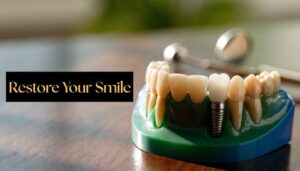
Before diving into causes of failure, let's touch on what a dental implant is. It's a small titanium post that acts as a new tooth root. It's surgically placed in your jawbone, where it fuses with the bone to create a strong foundation. This post then supports a new, natural-looking crown. Implants are a key part of restorative dentistry, designed to bring back both the look and function of a healthy tooth.
Understanding the High Success Rate of Implants
It’s easy to focus on what could go wrong, but the data tells a very reassuring story. Dental implant failure is remarkably rare, which is why they are considered the premier choice for tooth replacement.
A landmark study that tracked over 10,000 implants for up to 22 years found an overall failure rate of just 1.6%. Most issues happened early on during the healing phase, which really underscores the importance of expert placement and proper aftercare.
At a practice like Vienna Dental Implant & Family Dentistry, where our team uses advanced technology and proven techniques, success rates are even higher. Our meticulous approach is designed to minimize risks from the very beginning, giving our patients in Vienna, VA peace of mind.
Your Partnership in Success
Achieving a durable, healthy implant is a true team effort. While our surgical expertise lays the foundation, your role in aftercare is just as critical for long-term success. This is a partnership.
This involves:
- Excellent Oral Hygiene: Keeping the implant site clean is absolutely non-negotiable for preventing infection and ensuring the surrounding gums stay healthy.
- Following Post-Op Instructions: Sticking to our guidance after surgery is key to making sure the implant and bone fuse correctly—a process called osseointegration.
- Regular Dental Visits: Routine checkups allow us to monitor the implant, check the bite, and catch any potential issues before they become serious problems.
This partnership is central to our entire philosophy. We don't just place implants; we build lasting relationships with our patients from Vienna, VA, and the surrounding communities. By working together, we can ensure your new smile thrives for years to come. For more detailed tips, you might find our guide on how to care for dental implants helpful.
Early vs. Late Implant Failure: Understanding the Timeline
When we talk about what can go wrong with a dental implant, timing is one of the most important factors. Problems generally fall into two distinct categories: early failure and late failure. Knowing the difference helps our Vienna patients understand what to watch for at each stage, empowering them to protect their beautiful new smile.

Think of it like planting a young tree. The first few months are all about the roots taking hold. If they don't establish a firm grip in the soil, the tree will never be stable. In the same way, a dental implant must fuse securely with the jawbone in a natural process called osseointegration. This crucial initial period is where early failures happen.
Early Implant Failure: The First Few Months
Early-stage failure typically occurs within the first three to six months after your implant surgery. This is when the implant is at its most vulnerable, as your body is working hard to heal and grow bone around the new titanium post. In fact, the vast majority of implant issues—around 83% of all failures—happen during this initial healing window.
These problems are almost always related to that initial "rooting" process. The main culprits are things that get in the way of a solid foundation:
- Failed Osseointegration: Sometimes, for various reasons, the jawbone just doesn't bond with the implant. This could be due to low bone density, certain health conditions, or not following post-op care instructions.
- Infection: Bacteria getting into the surgical site is a major threat. An infection can interrupt healing and stop the bone from growing onto the implant surface.
- Micromovement: Even tiny, microscopic movements of the implant while it's healing can disrupt the delicate fusion process. This is exactly why we stress the importance of avoiding hard or chewy foods on the implant site at first.
At Vienna Dental Implant & Family Dentistry, we take every precaution to head off these risks. It starts with meticulous surgical techniques, precise 3D planning, and giving our patients crystal-clear instructions for aftercare.
Late Implant Failure: Months or Years Down the Road
Late-stage failure is a different story altogether. It happens months, or even years, after the implant has already successfully fused with your jawbone. Going back to our tree analogy, this is like a fully grown, healthy tree developing problems over time due to pests, soil erosion, or a powerful storm. The roots were solid, but long-term factors have weakened its stability.
Late failures are much less common, making up only about 17% of cases. The good news is these issues are usually preventable and develop slowly, which is why your regular dental checkups here at our Vienna, VA office are so vital for long-term implant health.
The causes of late failure are completely different from early-stage issues and are almost always tied to maintenance and lifestyle factors.
Here are the most common problems we see:
- Peri-implantitis: This is the #1 cause of late implant failure. Think of it as gum disease for implants. Plaque and bacteria build up around the implant, causing inflammation that, if left untreated, destroys the supporting bone.
- Excessive Mechanical Stress: Too much force on the implant can damage the implant itself, the crown, or the bone around it. Chronic teeth grinding (bruxism) or a bite that isn't properly aligned are frequent culprits.
- Poor Oral Hygiene: Just like with natural teeth, neglecting to brush and floss around your implant allows harmful bacteria to build up, creating the perfect environment for peri-implantitis to start.
Early vs Late Dental Implant Failure at a Glance
This table helps summarize the different risks and warning signs you should be aware of throughout your implant journey.
| Factor | Early Failure (First 3-6 Months) | Late Failure (After 6+ Months) |
|---|---|---|
| Timing | Within the first 3-6 months post-surgery | Months or years after successful integration |
| Primary Causes | Failed osseointegration, surgical-site infection, micromovement | Peri-implantitis (gum disease for implants), excessive force (grinding), poor oral hygiene |
| Key Warning Signs | Persistent pain, swelling, implant mobility or looseness | Bleeding/sore gums around the implant, deepening pockets, visible threads, implant looseness |
By understanding these two distinct timelines, you can become a proactive partner in your own oral health. Spotting a sign of early failure means getting in touch with us right away, while preventing late failure is all about a long-term commitment to great hygiene and professional care with the team at Vienna Dental Implant & Family Dentistry.
How Your Health and Habits Impact Implant Success
A long-lasting dental implant is a true partnership—a collaboration between our expert team and you, the patient. While we handle the precision and artistry of the surgical placement, your daily habits and overall health play a massive role in the long-term success of your new smile. Here at our Vienna office, we believe in empowering our patients with knowledge, not judgment, to protect their investment.
Understanding how certain lifestyle choices and health conditions affect your implant is the first step toward a successful outcome. Let’s walk through the most significant patient-related factors and the real-world steps we can take together to manage them.
The Impact of Smoking on Healing and Implant Health
Of all patient habits, smoking is hands-down the biggest threat to a new dental implant. This isn't just about surface stains; smoking fundamentally cripples your body’s ability to heal. It constricts blood vessels, which drastically reduces the flow of oxygen and vital nutrients to the surgical site.
This restricted blood flow is like trying to grow a garden with a clogged hose—the bone and tissues around your implant are starved of what they need to thrive. As a result, osseointegration, the critical process where your jawbone fuses with the implant, slows down dramatically.
Research paints a very clear picture of the heightened risks. A comprehensive review of multiple studies shows that smokers can have up to 67% higher odds of implant failure compared to non-smokers. This is due not only to poor healing but also to a higher rate of peri-implantitis, as smoking creates a favorable environment for harmful bacteria to flourish. You can read more about this research on how smoking impacts implant success rates.
Managing Systemic Health Conditions
Your overall health is directly wired to your oral health. Certain medical conditions, especially if they aren’t well-managed, can interfere with your body's ability to heal around and support a dental implant.
The two most common conditions we discuss with patients at our Vienna, VA office are:
- Diabetes: Uncontrolled diabetes, marked by high blood sugar levels, weakens your immune system and impairs healing. This makes it harder for your body to fight off potential infections and can get in the way of that all-important bone-to-implant fusion.
- Osteoporosis: This condition reduces bone density throughout the body, and that includes your jaw. A jawbone that is less dense may not provide the solid, stable foundation an implant needs to be secure for the long haul.
Your health is our top priority. We always partner with you and your physician to ensure any systemic conditions are well-managed before we even begin implant treatment. This creates the safest and most predictable path to success.
The Problem with Teeth Grinding (Bruxism)
Many people grind or clench their teeth, often without even realizing it while they sleep. This habit, known as bruxism, places immense, repetitive force on your teeth and jaw. Your natural teeth have a tiny ligament that acts as a shock absorber, but dental implants are fused directly to the bone and have no such cushion.
Think of it like repeatedly tapping a nail with a hammer long after it’s already set. Over time, this constant, unnatural pressure can cause several serious problems:
- Mechanical Failure: The sheer force can lead to a fracture in the porcelain crown, the connecting abutment, or even the implant post itself.
- Bone Loss: This excessive force can traumatize the supporting bone, causing it to gradually shrink away from the implant.
- Loosening: In severe cases, bruxism can disrupt the osseointegration and cause the entire implant to become loose.
Fortunately, this is a highly manageable issue. If we spot signs of grinding, we can create a custom-fitted nightguard for you. This simple appliance acts as a protective cushion, safeguarding your implant, your natural teeth, and your investment while you sleep. Check out our guide on what to eat after dental implant surgery for helpful tips.
The Critical Role of a Healthy Jawbone and Expert Placement
While your habits at home are a big piece of the puzzle, a successful dental implant starts long before you ever leave our office. Two of the most critical factors are handled right here: the health of your jawbone and the skill of the person placing the implant.
Think of it like building a house. You would never dream of constructing it on a soft, shifting foundation. In the same way, a dental implant needs a strong, dense jawbone to act as its permanent anchor.

This is where the expertise of your dental team becomes arguably the single most important variable in your long-term success. At Vienna Dental Implant & Family Dentistry, we combine advanced diagnostic tools with meticulous surgical skill to set your implant up for decades of reliable function.
Why Jawbone Health is Non-Negotiable
When a tooth is lost, the jawbone in that area stops getting the daily stimulation it needs from chewing. Without that "job" to do, the bone begins to shrink and become less dense over time—a process known as resorption. This can leave the site without enough bone to securely hold an implant.
Several things can lead to insufficient bone, which is a major cause of early implant failure:
- Previous Tooth Loss: The longer a tooth has been gone, the more bone has likely disappeared.
- Gum Disease: Advanced periodontal disease doesn't just attack your gums; it actively destroys the bone that once supported your natural teeth.
- Osteoporosis: This systemic condition can reduce bone density all over your body, and the jaw is no exception.
Poor bone quality is a significant risk. In fact, studies consistently point to a lack of sufficient, high-quality bone as a primary culprit in implant failures. This is especially true in the upper jaw, where the bone is naturally softer and less dense to begin with.
Precision Planning with 3D CBCT Imaging
Guesswork has absolutely no place in modern implant dentistry. To make sure your jawbone provides a solid foundation, we use Cone Beam Computed Tomography (CBCT). This amazing technology gives us a detailed, 3D map of your entire jaw.
A CBCT scan lets us see far more than a flat, traditional X-ray. We can precisely measure the height, width, and density of your bone, pinpoint the exact location of sensitive nerves and sinuses, and virtually plan the perfect placement for your implant before the procedure even starts.
This level of detailed planning is fundamental to avoiding surgical complications and ensuring a stable, long-lasting result. It helps us choose the perfect implant size and angle to fit your unique anatomy, protecting all the surrounding structures. For our Northern Virginia patients, it provides incredible peace of mind.
Building a Strong Foundation with Bone Grafting
So, what happens if the CBCT scan shows your jawbone isn't quite ready for an implant? This is a very common scenario, and thankfully, we have a predictable and highly effective solution: bone grafting.
This procedure involves adding new bone material to the area where it’s needed. Over several months, your body integrates this new material, regenerating a solid, dense foundation that is strong enough to support a dental implant for a lifetime.
While it does add a step to the process, it dramatically increases the long-term success rate. You can learn more about bone grafting for dental implants in our article and see how it creates the ideal conditions for success.
By addressing insufficient bone head-on, we don’t just hope for a good outcome—we create it. This commitment to preparing the foundation is a hallmark of an experienced implant dentist and is absolutely essential for preventing surgical and biological implant failures.
Warning Signs of a Failing Implant and When to Call Us
Even though dental implants have an incredible success rate, the best outcomes happen when you become an active partner in your own oral health. Knowing what to look for after your implant is placed is the single most important thing you can do to protect your investment. When our team at Vienna Dental Implant & Family Dentistry can catch a potential problem early, we can often step in and prevent a minor hiccup from turning into a major headache.

Think of it like the check engine light in your car. Ignoring it can lead to serious trouble down the road, but addressing it right away often means a simple, quick fix. Your body gives you similar signals, and it’s critical to listen.
Subtle Symptoms You Should Not Ignore
Sometimes, the signs that an implant is struggling aren't dramatic. They can be subtle changes you might be tempted to brush off as nothing. But paying close attention to these early clues is crucial for the long-term health of your implant.
These subtle warnings include:
- Red, Puffy, or Tender Gums: Healthy gums around an implant should look pale, pink, and firm. If you notice persistent redness, swelling, or tenderness right around the implant post, it could be a sign of peri-implant mucositis—the earliest, and fully reversible, stage of implant-related gum inflammation.
- Bleeding When You Brush: Seeing a little blood in the sink when you brush or floss around your implant is never normal. This is often the very first sign of inflammation caused by plaque buildup that needs to be addressed.
- A Bad Taste or Persistent Bad Breath: An unpleasant taste or a foul odor coming from the implant area that doesn’t go away with brushing can signal a hidden infection brewing just beneath the gum line.
These early symptoms are your body's way of telling you that bacteria are starting to cause trouble. When caught at this stage, the issue can almost always be resolved with a professional cleaning and a few tweaks to your home care routine.
More Obvious Signs That Require Immediate Attention
Other symptoms are much more direct. They signal a more advanced problem that requires you to call our Vienna, VA office right away. Never wait to see if these issues will resolve on their own.
Your peace of mind is our priority. If you experience any discomfort or notice anything unusual with your implant, please call us. It is always better to have it checked and find out it’s nothing than to wait and risk a serious complication.
Call us immediately if you experience any of the following:
- Pain or Discomfort: While some soreness is normal right after surgery, any new or worsening pain—especially a throbbing feeling or discomfort when you chew—is a significant red flag.
- Any Feeling of Looseness: Your implant should feel 100% stable and secure, just like a healthy natural tooth. If you can feel any movement, wiggling, or shifting at all, it could mean the implant’s bond with your jawbone has been compromised.
- Pus or Discharge: The presence of pus is a definite sign of an active infection that is attacking the bone and tissues supporting your implant. This needs immediate professional attention.
- Difficulty Chewing: If it suddenly becomes uncomfortable or difficult to bite down on your implant, it could indicate that the implant has shifted or there is an issue with the supporting bone.
If you live in Vienna or the surrounding Northern Virginia communities and notice any of these signs, don’t hesitate. Prompt action is the key to saving a failing implant. Contact Vienna Implant and Family Dentistry today—we are here to help.
Your Partner for Long-Term Implant Success in Vienna
We’ve covered a lot of ground on what can cause implant failure. The goal isn't to make you anxious, but to give you a clear, honest picture. The reality is that while implant complications are a valid concern, they are overwhelmingly rare and, more importantly, highly preventable.
Here at Vienna Dental Implant & Family Dentistry, we see every day that long-lasting success comes down to a strong partnership. It’s a commitment we make to every patient who walks through our doors—a promise that our team will be with you from your first consultation through years of routine care. We’re here to ensure your new smile stays healthy, strong, and confident for life.
What Patients Can Expect at Our Vienna, VA Office
From your very first visit, you'll see that we do things differently. We start with a comprehensive consultation where we listen to your concerns and goals. We use advanced 3D imaging to get a complete picture of your oral health, allowing us to create a personalized treatment plan that ensures predictable and successful results. Our team explains every step, from the implant placement to the final restoration, so you always feel informed and comfortable.
These three elements work together to give you the absolute best outcome:
- An Expert Implant Dentist: Choosing a dentist with advanced, specialized training in placing and restoring implants is the single most important decision you can make. It dramatically minimizes surgical risks and truly sets the stage for success from day one.
- Excellent At-Home Oral Hygiene: Your daily care is non-negotiable. Consistent, thorough brushing and flossing are what prevent the bacterial buildup that leads to peri-implantitis—the #1 cause of late-stage implant failure.
- Regular Professional Checkups: Routine visits to our Vienna, VA office allow us to monitor your implant, check your bite, and professionally clean the areas around it that you simply can't reach. This lets us catch and resolve minor issues before they have a chance to become serious problems.
Your Long-Term Health Partner
At Vienna Dental Implant & Family Dentistry, our relationship with you doesn't stop once your implant procedure is complete. In many ways, it's just beginning. We see ourselves as your long-term health partners, dedicated to protecting the health and beauty of your smile for decades to come.
Our team is committed to being by your side for the entire journey. We provide the expert guidance and support you need to feel confident in your restorative dentistry investment, ensuring it serves you well for life.
This focus on durable, lasting results is woven into everything we do. Our comprehensive approach means we can manage all your family's oral health needs right here under one roof. Whether it's routine family dentistry checkups to keep everyone healthy or cosmetic dentistry services like veneers or Invisalign to perfect your smile, we have you covered. Our goal is to be the only dental practice your family will ever need.
We warmly invite our neighbors in Vienna, VA, and the surrounding Northern Virginia communities to experience our patient-focused approach. Schedule a consultation with us today and discover how we can help you achieve a beautiful, healthy smile that you'll love for a lifetime.
Frequently Asked Questions About Implant Failure
Even though modern dental implants have fantastic success rates, it's completely natural for our patients in Vienna, VA, to wonder about what could go wrong. We find that the best way to ease any worries is with straight, clear answers. Here are a few of the most common questions we hear at Vienna Dental Implant & Family Dentistry.
Is a Failing Dental Implant Always Painful?
Not always, and this is an incredibly important point to understand. While nagging pain is a definite red flag, some of the most common issues, like early-stage peri-implantitis, can be totally silent. You might only notice very subtle signs, like a bit of redness in your gums, some bleeding when you brush, or a strange taste that just won't go away.
This is exactly why your regular checkups at our Vienna, VA office are so critical. Our team can spot problems you can't see or feel, which often allows for simple, early treatments that can save your implant. That said, any feeling of looseness should be addressed immediately, even if there's no pain at all.
If My Dental Implant Fails, Can It Be Replaced?
In the vast majority of situations, yes, it can. When an implant has to come out, our first and most important job is to figure out why it failed. Our team will carefully remove the implant and make sure the area is completely clean of any infection or damaged tissue.
Often, we'll need to do a bone grafting procedure to rebuild a solid, healthy foundation where the original bone was lost. After a dedicated healing period, a new implant can usually be placed. Our entire focus at Vienna Dental Implant & Family Dentistry is on creating a new plan that fixes the root cause of the initial problem, giving the replacement implant the absolute best chance for a lifetime of success.
How Do I Know My Jawbone Is Strong Enough for an Implant?
This is a question we can answer with complete certainty long before we start any procedure. Here in our Vienna practice, we use advanced 3D imaging with a Cone Beam Computed Tomography (CBCT) scanner. This isn't your standard dental X-ray; it creates a detailed, three-dimensional map of your entire jaw.
This amazing technology allows our team to measure your bone's density, width, and height with millimeter-level precision. It also shows us the exact location of critical things like nerves and sinuses, making the planning process incredibly safe and meticulous.
If the scan shows your bone isn't quite sufficient, it doesn't mean an implant is off the table. It simply means we'll first perform a highly predictable and effective bone grafting procedure to create the solid foundation needed for decades of stability.