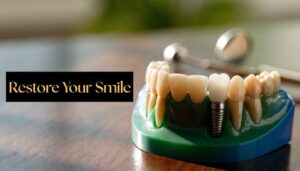
Losing a tooth can impact your confidence and oral health, but modern restorative dentistry offers a lasting solution. Investing in dental implants is a significant step toward restoring your smile's function and beauty. At Vienna Dental Implant & Family Dentistry, we understand that a successful outcome depends not just on the procedure itself, but also on a smooth and comfortable recovery. A common question we hear from our patients in Vienna, VA, is, "What can I eat after dental implant surgery?" Proper nutrition is crucial for minimizing discomfort, reducing swelling, and promoting osseointegration—the vital process where the implant fuses with your jawbone.
This guide provides a list of nourishing, easy-to-eat foods that will support your healing journey, ensuring your new smile gets the best possible start. Making the right food choices can significantly impact your healing time and the long-term success of your dental implants. As a trusted implant dentist in Vienna, VA, our goal at Vienna Dental Implant & Family Dentistry is to empower you with the practical knowledge needed for a swift and seamless recovery. Navigating your post-surgery diet shouldn't be stressful. This list will remove the guesswork, offering safe options that protect your investment and help you heal effectively.
1. Yogurt and Greek Yogurt
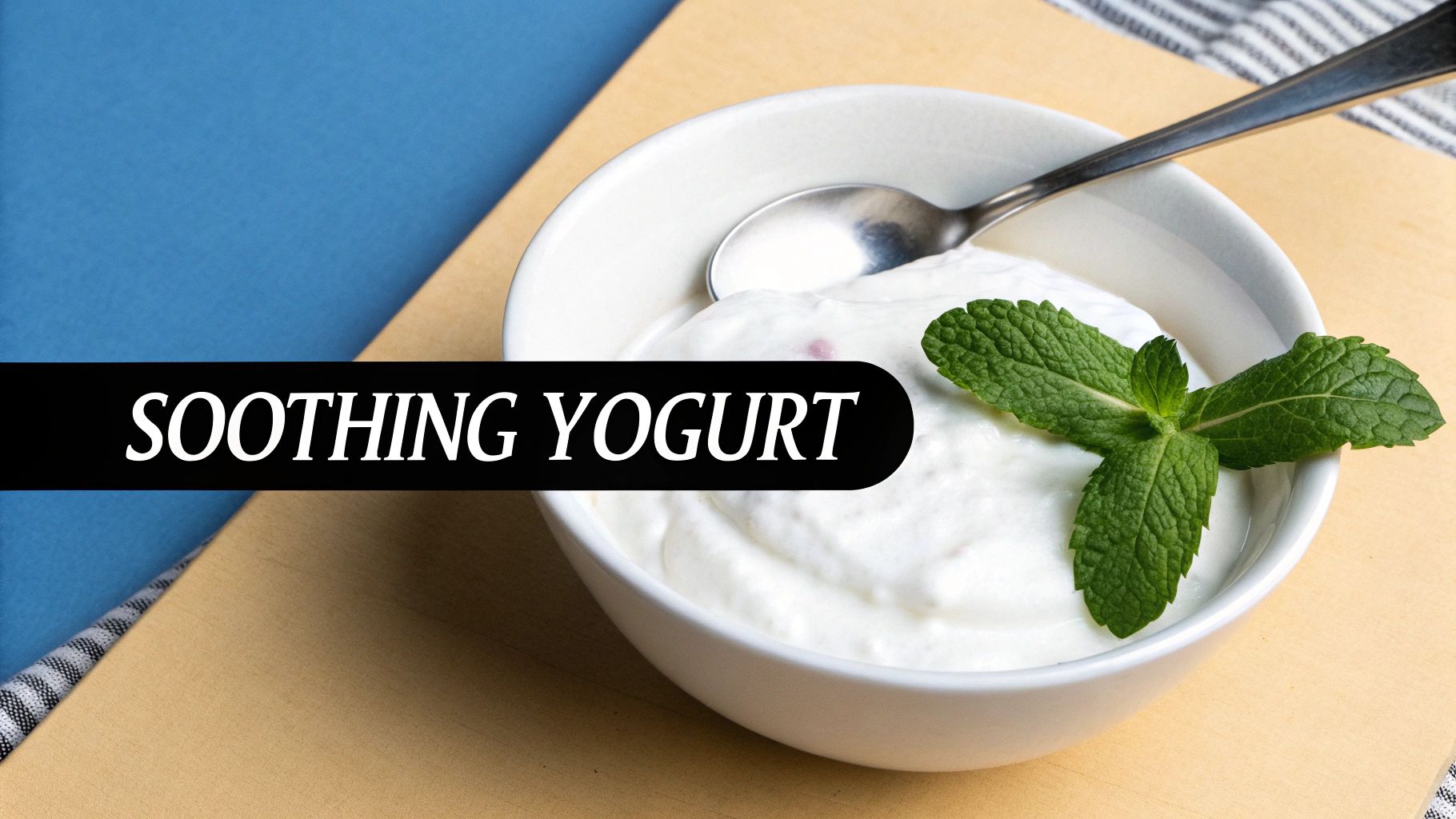
Yogurt is an exceptional choice for your post-operative diet, offering a perfect blend of soothing texture and essential nutrients vital for healing. Its soft, creamy consistency requires no chewing, which protects the sensitive surgical site from irritation and allows the new implant to heal undisturbed. This makes it an ideal food to consume in the initial hours and days following your procedure when your mouth is most tender.
Why It's a Top Choice for Healing
Yogurt, especially the Greek variety, is packed with high-quality protein, a fundamental building block for tissue repair and regeneration. Consuming adequate protein helps your gums and surrounding tissues heal more efficiently. Furthermore, yogurt is a rich source of calcium, which plays a critical role in supporting bone health. This is particularly important during the osseointegration phase. Many yogurts also contain probiotics, beneficial bacteria that support a healthy oral microbiome and can aid in preventing post-surgical infections. The cool temperature of refrigerated yogurt also provides a soothing effect on the surgical area.
Expert Insight: Patients undergoing dental implant procedures at Vienna Dental Implant & Family Dentistry often find that incorporating cool, plain Greek yogurt into their diet within the first 48 hours helps manage swelling and discomfort effectively.
How to Incorporate Yogurt into Your Diet
Following your dental implant surgery, it's crucial to select the right kind of yogurt and consume it correctly to maximize its benefits and avoid complications.
- Choose Plain and Unsweetened: Opt for plain, sugar-free varieties. Sugary yogurts can promote harmful bacterial growth around the surgical site, potentially leading to infection and interfering with healing.
- Keep it Cool, Not Frozen: A chilled temperature is ideal for soothing inflammation. However, if you experience tooth sensitivity, allowing the yogurt to sit at room temperature for a few minutes can make it more comfortable to eat.
- Avoid Add-ins: Do not add granola, nuts, seeds, or fruit pieces to your yogurt during the initial recovery period. These hard and crunchy items can damage the surgical site.
- Aim for Consistency: Consuming one to two servings daily during the first week provides a consistent supply of protein and calcium to support your recovery. For those in Vienna, VA considering full-arch solutions, proper nutrition is a key part of the healing journey. You can discover more about the benefits of a stable, functional smile with implant-supported dentures.
2. Protein-Rich Bone Broth
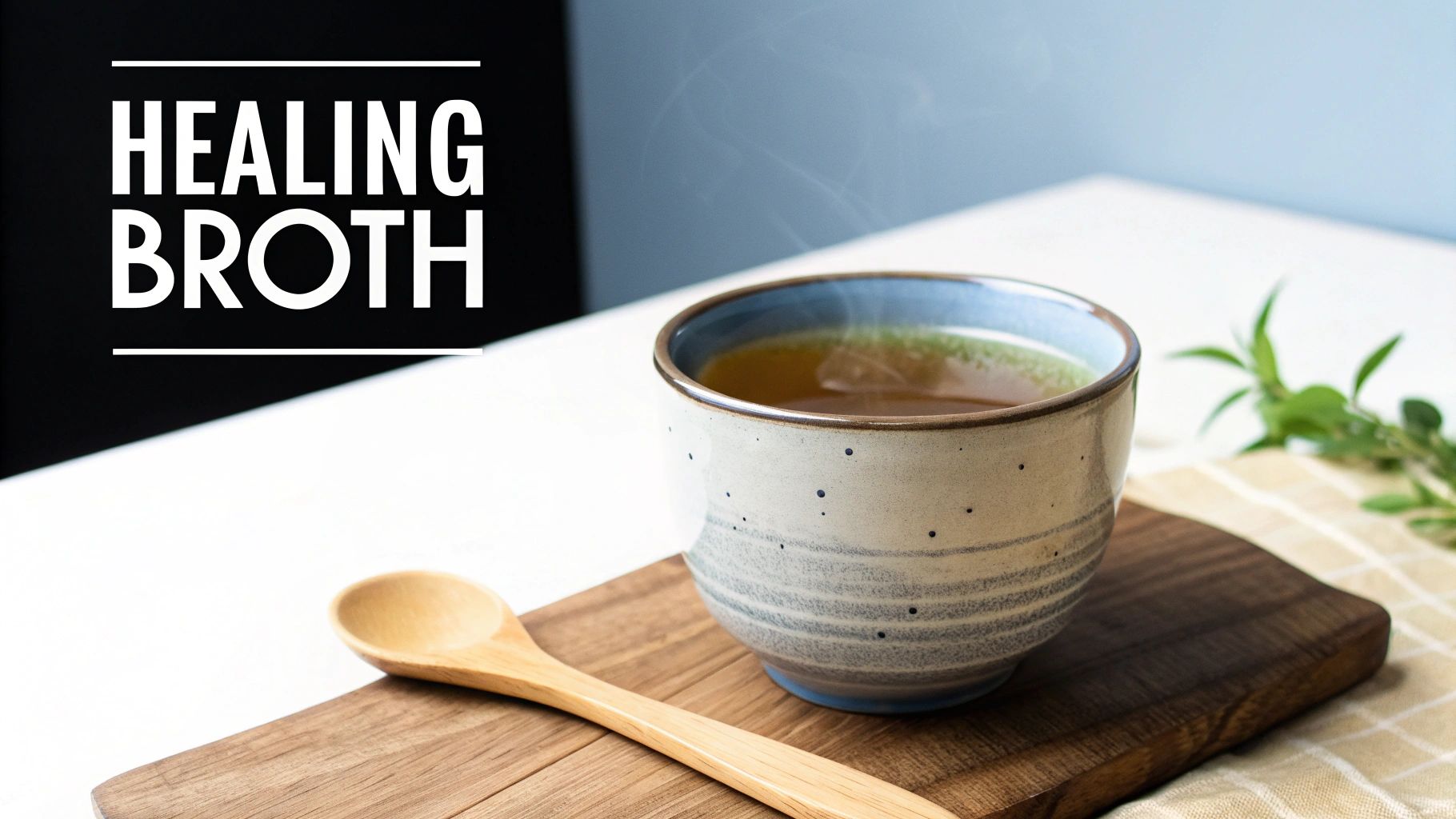
Bone broth is a nutrient-dense powerhouse that offers profound support for your recovery after dental implant surgery. This warm, savory liquid is made by simmering bones and connective tissues, a process that extracts vital compounds like collagen, gelatin, and amino acids. Its smooth, liquid form requires no chewing, making it a safe and comforting option that protects the delicate implant site from any physical stress.
Why It's a Top Choice for Healing
The true benefit of bone broth lies in its rich profile of healing components. It is packed with bioavailable collagen and gelatin, which provide the essential amino acids necessary for repairing and regenerating soft tissues like your gums. These compounds also play a foundational role in building a strong bone matrix, which is crucial for the success of osseointegration. Additionally, bone broth is hydrating and contains minerals like calcium and magnesium that further support bone health and overall recovery. Its warm temperature (not hot) can be incredibly soothing for a sore mouth.
Expert Insight: At Vienna Dental Implant & Family Dentistry, we emphasize the role of nutrition in surgical recovery. High-quality bone broth is a convenient and effective way to support your healing after receiving dental implants.
How to Incorporate Bone Broth into Your Diet
Properly including bone broth in your diet will maximize its therapeutic benefits while ensuring the safety of your new implant.
- Mind the Temperature: In the first 3-5 days post-surgery, consume the broth warm, not hot. Excessively high temperatures can irritate the surgical site and interfere with healing. Allow it to cool slightly before drinking.
- Choose Low-Sodium Options: High salt intake can contribute to dehydration and inflammation. Opt for low-sodium store-bought brands or make your own at home where you can control the salt content.
- Consume Consistently: Aim to drink one to two cups daily during the initial weeks of recovery to ensure a steady supply of collagen and amino acids to the healing tissues.
- Prepare in Advance: Make a large batch of bone broth before your surgery and freeze it in single-serving portions. This makes it easy to have a nourishing meal ready when you need it most.
3. Smoothies and Protein Shakes
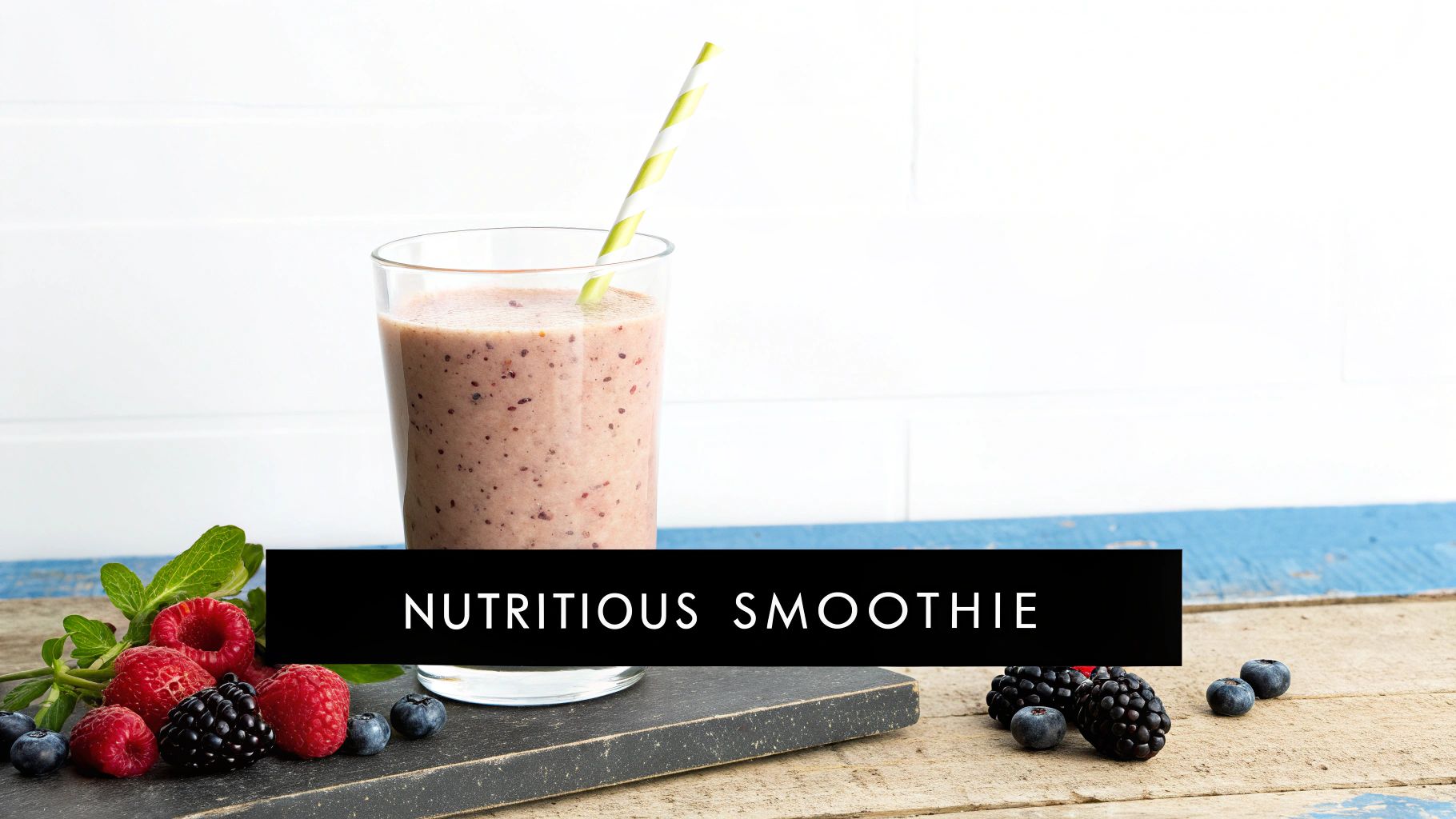
Smoothies and protein shakes are powerhouse options for post-surgery nutrition, offering a convenient way to consume vital nutrients without any need for chewing. By blending fruits, vegetables, and a protein source, you can create a liquid meal that is easy to swallow and gentle on your sensitive surgical site. This makes them an excellent choice, especially in the first few days when your mouth is tender and your appetite may be low.
Why It's a Top Choice for Healing
Blended drinks allow you to combine multiple nutrient-dense ingredients into a single, easily digestible serving. The protein from sources like whey, collagen peptides, or plant-based powders is essential for tissue repair and gum healing. Vitamins and antioxidants from fruits and vegetables, such as berries and spinach, help reduce inflammation and support your immune system, which is critical for preventing infection. Proper hydration is also key to recovery, and the liquid base of a smoothie contributes to your daily fluid intake.
Expert Insight: Patients recovering from dental implants in Vienna, VA, are often advised by our team at Vienna Dental Implant & Family Dentistry to add a scoop of unflavored collagen peptides or a clean protein powder to their smoothies. This boosts the amino acid profile necessary for strong tissue and bone regeneration.
How to Incorporate Smoothies into Your Diet
To get the most benefit from smoothies and shakes without compromising your healing, it's important to prepare and consume them correctly.
- Blend Thoroughly: Ensure your smoothie is completely smooth. Any seeds, small fruit chunks, or gritty bits can get lodged in the surgical site, causing irritation or infection.
- Choose Low-Sugar Ingredients: Opt for low-glycemic fruits like berries and avocado instead of high-sugar options like mango or pineapple. Excess sugar can promote inflammation and harmful bacteria.
- Do Not Use a Straw: For the first 48-72 hours, avoid using a straw. The suction can dislodge the crucial blood clot protecting the surgical area, leading to a painful condition called dry socket. Sip directly from the glass.
- Keep it Cool: A cool-temperature smoothie can help soothe inflammation and discomfort in the mouth. Avoid using frozen fruits if you have temperature sensitivity; use refrigerated ones instead.
4. Mashed Sweet Potatoes and Root Vegetables
Soft, nutrient-dense mashed vegetables are an ideal choice for your diet in the first week of recovery. When sweet potatoes and carrots are fully cooked and mashed, they require no chewing yet deliver complex carbohydrates, beta-carotene, and vitamin C—all vital for collagen synthesis and wound healing. This gentle puree helps maintain energy levels while supporting implant integration and tissue regeneration at the surgical site.

Why It's a Top Choice for Healing
Mashed sweet potatoes and root vegetables stand out for several reasons:
• Rich in Pro-Healing Nutrients – Sweet potatoes provide beta-carotene, which the body converts into vitamin A, aiding tissue repair. Carrots and parsnips add vitamin C, a cofactor in collagen formation around your new implant.
• Gentle on Surgical Sites – The velvety texture requires zero chewing, protecting the delicate gum tissue and preventing disruption of the blood clot that fosters healing.
• Sustained Energy Release – Complex carbohydrates stabilize blood sugar and supply steady energy, helping you maintain strength during early recovery.
Expert Insight: At Vienna Dental Implant & Family Dentistry, patients are often advised to incorporate root-vegetable purees during the first 7 days post-op for optimal tissue regeneration and minimal discomfort.
How to Incorporate Mashed Root Vegetables into Your Diet
Follow these tips to prepare and enjoy mashed sweet potatoes and carrots safely:
- Cook Thoroughly: Steam or boil root vegetables until fork-tender. Overcooking ensures a completely smooth texture.
- Add Gentle Fats and Protein: Mash with a small amount of non-dairy butter or stir in warm bone broth for added protein and minerals.
- Skip Salt and Spices Initially: For the first 3 days, avoid salt and pepper to prevent irritation of sensitive gum tissue.
- Cool Before Serving: Let the puree reach room temperature to avoid thermal shock to implant sites.
By integrating mashed sweet potatoes and root vegetables into your post-surgery meal plan, you provide your body with key nutrients for healing without compromising comfort or implant stability. If you have questions about your diet after dental implant surgery, contact our office in Vienna, VA for personalized guidance.
5. Soft Scrambled Eggs and Egg Custards
Eggs are a nutritional powerhouse, making them a fantastic addition to your diet as you recover from dental implant surgery. Their naturally soft texture, when prepared as a gentle scramble or a creamy custard, requires minimal to no chewing. This quality is essential for protecting the delicate surgical area from pressure and irritation, allowing the implant site to heal without disruption.
Why It's a Top Choice for Healing
Eggs provide a complete protein source, containing all nine essential amino acids that are critical for tissue repair and regeneration in your gums. This high-quality protein directly supports the body’s ability to rebuild soft tissue around the implant. Eggs are also rich in vital nutrients like choline and lutein, which are known to aid in tissue regeneration. Their high bioavailability means your body can easily absorb and utilize these nutrients to accelerate the healing process.
Expert Insight: For our patients recovering in Vienna, VA, we often recommend incorporating soft scrambled eggs as a primary protein source starting on the second or third day post-surgery. This simple meal provides substantial nutrition without stressing the jaw, which is crucial for a smooth and efficient recovery.
How to Incorporate Eggs into Your Diet
Preparing eggs correctly is key to making them a safe and effective part of your post-implant surgery meal plan. Here are some practical tips.
- Prepare Gently: Cook eggs on low heat with a bit of butter or milk to create a very soft, creamy scramble that requires minimal jaw movement. For the first couple of days, a simple egg custard can be an ideal liquid protein alternative.
- Mind the Temperature: Always allow eggs to cool to a lukewarm temperature before eating. Hot foods can increase blood flow to the surgical site and cause irritation or bleeding.
- Keep Seasoning Simple: Avoid using hot spices like pepper or chili powder for the first week, as they can irritate the sensitive gum tissue. A small pinch of salt is usually well-tolerated.
- Limit Portions: Stick to two or three eggs daily to avoid digestive overload while still getting the nutritional benefits. This consistent intake supports the crucial phase where the implant fuses with the bone, a process that is fundamental for treatments like All-on-4 dental implants.
6. Avocado-Based Creams and Spreads
Avocados are a powerhouse of nutrition, making them an excellent addition to your diet after dental implant surgery. Their soft, creamy texture can be easily mashed or blended, requiring no chewing and preventing any disturbance to the delicate surgical site. This makes avocado-based preparations an ideal food choice, especially during the first week of recovery when your mouth is still healing and tender.
Why It's a Top Choice for Healing
Avocados are celebrated for their high content of healthy monounsaturated fats, which are known to have powerful anti-inflammatory properties. Reducing inflammation is crucial for a comfortable recovery and for the success of your dental implant. They are also rich in potassium, vitamin K, and vitamin E, nutrients that play a significant role in blood clotting and tissue repair. Consuming these nutrient-dense fruits supports your body’s natural healing mechanisms, helping your gums recover more effectively.
Expert Insight: Many dentists in the Vienna, VA, area recommend avocados as a recovery staple. The fruit’s anti-inflammatory fats and soft texture provide a dual benefit of comfort and accelerated healing, which is particularly beneficial for our patients at Vienna Dental Implant & Family Dentistry.
How to Incorporate Avocados into Your Diet
To get the most out of avocados while protecting your surgical site, it's important to prepare and consume them correctly.
- Choose Ripe Avocados: Select avocados that are ripe but still slightly firm. This will ensure a creamy texture that is easy to mash without being overly stringy.
- Keep it Simple: In the initial days, simply mash the avocado with a fork until it is completely smooth. You can add a pinch of salt for flavor, but avoid pepper or other harsh spices that could irritate the gums.
- Prevent Oxidation: To keep mashed avocado from browning, mix in a small amount of lemon or lime juice.
- Avoid Chunky Add-ins: Do not mix in hard ingredients like onions or tomatoes. Stick to a smooth, creamy consistency to prevent any risk to your healing implant.
- Create a Nutrient-Rich Smoothie: Blend avocado with yogurt or a milk of your choice for a filling, protein-rich smoothie that is easy to consume and supports tissue regeneration.
7. Soft Cheese and Cottage Cheese
Soft cheeses like cottage cheese, ricotta, and cream cheese are excellent additions to your recovery diet after dental implant surgery. They offer a nutrient-dense profile in a format that is gentle on your healing mouth. Their smooth, yielding texture requires minimal to no chewing, which is critical for protecting the delicate surgical area and ensuring the implant can integrate without disturbance.
Why It's a Top Choice for Healing
Soft cheeses are a powerhouse of nutrition essential for a smooth recovery. They are packed with high-quality, complete proteins that are fundamental for repairing and rebuilding soft gum tissue around the implant site. Additionally, they are a fantastic source of calcium and phosphorus, two minerals that are crucial for bone health and density. This nutritional support is vital during the osseointegration process, where your new dental implant securely fuses with the jawbone.
Expert Insight: For our patients in Vienna, VA recovering from implant procedures, we often recommend incorporating organic, full-fat cottage cheese into their diet. Its creamy consistency and high protein content make it an ideal food that supports both tissue repair and bone integration without irritating the surgical site.
How to Incorporate Soft Cheese into Your Diet
To get the most benefit from soft cheeses while keeping your implant safe, it’s important to choose and prepare them correctly.
- Select Smooth Varieties: Stick to completely smooth cheeses like ricotta, cream cheese, and small-curd cottage cheese. Avoid cheeses with hard bits, such as those containing nuts, seeds, or hard fruit pieces.
- Choose Low-Sodium Options: High sodium levels can contribute to fluid retention and may interfere with the body's natural healing process. Opt for low-sodium cottage cheese to help manage post-operative swelling.
- Serve at a Comfortable Temperature: If your mouth is sensitive to cold, let the cheese sit at room temperature for a few minutes before eating.
- Pair It Wisely: Enjoy soft cheese on its own or pair it with other soft foods. You can blend ricotta into a smoothie or mix cottage cheese with mashed banana.
8. Herbal Broths and Anti-Inflammatory Teas
Warm, soothing beverages like herbal broths and anti-inflammatory teas are excellent additions to your recovery diet, providing hydration and potent healing compounds. These liquids are gentle on the surgical site, requiring no chewing, and offer complementary benefits to traditional post-operative care by supporting pain reduction, swelling management, and immune function.
Why It's a Top Choice for Healing
Herbal concoctions made with ingredients like turmeric, ginger, chamomile, and green tea are renowned for their natural anti-inflammatory properties. Compounds such as curcumin in turmeric and gingerol in ginger help to naturally reduce swelling and alleviate discomfort around the implant site. Chamomile is known for its calming effects, which can aid in relaxation and promote better sleep, a critical component of the body's healing process. Staying well-hydrated is also essential for flushing toxins and supporting tissue repair.
Expert Insight: Dental implant specialists in Vienna, VA, often recommend that patients begin incorporating lukewarm herbal broths and teas around 48 to 72 hours post-surgery. Starting with a gentle turmeric and ginger broth can significantly help manage inflammation and support the body's natural healing cascade.
How to Incorporate Broths and Teas into Your Diet
To safely benefit from these healing beverages after your dental implant surgery, proper timing and preparation are key.
- Wait Before Introducing Warmth: Avoid hot or warm liquids for the first 48 hours to protect the initial blood clot. Start with lukewarm temperatures and gradually increase the heat as your comfort level allows.
- Opt for Anti-Inflammatory Ingredients: Prepare a fresh turmeric and ginger broth, perhaps using a bone broth base for added collagen and minerals. Brew chamomile tea in the evening to encourage restful sleep.
- Steep for Potency: To maximize the extraction of active anti-inflammatory compounds, steep your herbal teas for at least 5 to 10 minutes.
- Time Your Consumption: Drink one to two cups daily for an optimal anti-inflammatory effect. Be mindful of potential medication interactions. For more post-operative guidance, explore our collection of patient resources.
8-Item Post-Implant Soft Food Comparison
| Item | Implementation Complexity 🔄 | Resource Requirements ⚡ | Expected Outcomes ⭐📊 | Ideal Use Cases 📊 | Key Advantages 💡 |
|---|---|---|---|---|---|
| Yogurt and Greek Yogurt | 🔄 Very low — ready to eat | ⚡ Low — refrigeration/chill | ⭐ Supports osseointegration; probiotics aid oral microbiome | 📊 Days 1–14 (ideal 1–48 hrs) — soothing, no chewing | 💡 High protein (Greek), calcium, probiotic; choose plain, low‑sugar |
| Protein‑Rich Bone Broth | 🔄 Medium — homemade or purchase | ⚡ Medium — prep/time or buy, heat & store | ⭐ Collagen/minerals for bone & soft‑tissue repair; anti‑inflammatory | 📊 Days 3–30 — warm nutrient liquid once tolerant | 💡 High collagen and minerals; use low‑sodium, warm (not hot) initially |
| Smoothies and Protein Shakes | 🔄 Medium — blender + prep | ⚡ Medium — blender, ingredients, refrigerated servings | ⭐ High nutrient density, hydration, customizable protein | 📊 Days 1–21 — meal replacement, hydration (avoid straws first 48 hrs) | 💡 Add collagen/bone‑broth powder; use low‑sugar fruits, blend thoroughly |
| Mashed Sweet Potatoes & Root Veg | 🔄 Medium — cook & mash | ⚡ Low–Medium — stovetop, time to cook | ⭐ Provides beta‑carotene & vitamin C for collagen synthesis | 📊 Days 3–21 — soft, nutrient‑dense solid meals | 💡 Rich in antioxidants; mix with broth for extra protein/minerals |
| Soft Scrambled Eggs & Custards | 🔄 Low — simple gentle cooking | ⚡ Low — eggs, stove | ⭐ Complete, high‑biological‑value protein for tissue repair | 📊 Days 2–14 (custards day 1–5) — primary protein source | 💡 Prepare soft/creamy; limit seasoning; serve warm (not hot) |
| Avocado‑Based Creams & Spreads | 🔄 Very low — mash or blend | ⚡ Low — ripe avocado, optional lemon | ⭐ Anti‑inflammatory fats; supports nutrient absorption | 📊 Days 1–30 — creamy fats, pairing with soft foods (after day 5 for bread) | 💡 Provides monounsaturated fats and vitamin E; consume fresh, add lemon |
| Soft Cheese & Cottage Cheese | 🔄 Very low — ready to eat | ⚡ Low — refrigeration, choose low‑sodium | ⭐ Protein + calcium + probiotics for bone/tissue healing | 📊 Days 1–30 — soft protein/calcium option | 💡 High calcium and protein; select full‑fat/low‑sodium varieties |
| Herbal Broths & Anti‑Inflammatory Teas | 🔄 Low — steep or warm broth (wait 48 hrs for hot) | ⚡ Low — herbs, kettle; watch med interactions | ⭐ Anti‑inflammatory, pain relief, hydration support | 📊 Days 2–30 (after initial 48 hrs) — pain/swelling control, relaxation | 💡 Use turmeric/ginger/chamomile; start lukewarm, avoid interactions with meds |
Ready to Restore Your Smile? Contact Your Vienna, VA Implant Experts
Navigating your recovery after dental implant surgery is a crucial step toward achieving a permanent, beautiful smile. Your diet plays a foundational role in this process, influencing everything from inflammation levels to your overall comfort. By carefully selecting what you eat after dental implant surgery, you are not just managing symptoms; you are actively participating in the success of your restorative dentistry treatment. Each meal choice supports the osseointegration process, where your implant fuses securely with your jawbone, creating the stable foundation necessary for a lifetime of confident smiles.
At Vienna Dental Implant & Family Dentistry, we believe that exceptional patient care extends far beyond the surgical suite. It involves providing you with the knowledge and support needed for a smooth and predictable recovery right here in Vienna, VA. Understanding the "why" behind your post-operative diet empowers you to make choices that accelerate healing and minimize complications.
Your Path to a Healthy, Complete Smile
Mastering your post-implant nutrition is about more than just avoiding discomfort. It is about providing your body with the building blocks it needs to regenerate and thrive.
- Prioritize Nutrient Density: Your body requires ample protein, vitamins, and minerals to repair tissue and fight inflammation. Foods like Greek yogurt, smoothies with added protein, and nutrient-rich broths are not just easy to eat; they are potent healing aids.
- Embrace Soft Textures: The initial recovery phase is all about protecting the surgical site. Choosing soft, non-abrasive foods prevents irritation and allows your gums and bone to heal undisturbed.
- Stay Hydrated: Proper hydration, especially with anti-inflammatory herbal teas and water, is essential for cellular function and helps flush toxins from your system, creating an optimal healing environment.
- Listen to Your Body: As you progress through the recovery timeline, your body will signal when it's ready for more substantial foods. Gradually reintroducing items with more texture is a key part of returning to a normal diet safely.
Your Next Step Starts in Vienna, VA
Knowing what to eat after dental implant surgery is a significant part of the puzzle, but the most important step is choosing the right dental team to guide you. If you are in Vienna, VA, or the surrounding Northern Virginia communities and are ready to explore a permanent solution for missing teeth, the dedicated team at Vienna Dental Implant & Family Dentistry is here to help. We combine state-of-the-art technology with a compassionate, patient-first approach to deliver world-class results.
Whether you are just beginning to consider dental implants, need a trusted partner for family dentistry, or wish to explore cosmetic dentistry options like veneers, we are committed to helping you achieve your goals. Don’t let another day go by feeling self-conscious about your smile.
Contact Vienna Dental Implant & Family Dentistry today to schedule your personalized consultation and take the first step toward restoring your health, confidence, and smile for good.