A small chip on a front tooth can change how you smile in photos. A narrow gap can make you cover your mouth when you laugh. Even a single dark spot can pull your attention every time you look in the mirror.
Those concerns may seem minor to someone else, but they rarely feel minor when they’re your teeth.
The good news is that the bonding of teeth is often one of the simplest ways to improve a smile without making treatment feel overwhelming. For many people, it’s a practical option when they want a repair that looks natural, preserves healthy tooth structure, and doesn’t turn into a big dental project.
If you live in Vienna, VA or nearby in Northern Virginia, this matters for another reason. A lot of patients want cosmetic improvement, but they also want comfort, clear explanations, and a plan that respects their budget. Dental bonding often fits that need well.
A Confident Smile is Closer Than You Think
You may already know exactly which tooth bothers you.
It might be the corner of a front tooth that chipped on a fork years ago. It might be a small space between teeth that shows when you talk. It might be a worn edge that makes one tooth look shorter than the others.
These are the kinds of problems that make people say, “It’s not terrible, but I notice it all the time.”
Why small flaws can feel big
A smile doesn’t have to be badly damaged to affect confidence. Tiny changes stand out because front teeth are so visible. Patients often adapt in quiet ways. They smile with their lips closed, angle their face in pictures, or avoid speaking up in social settings.
That’s one reason bonding can feel so refreshing. It usually addresses a very specific concern without the long timeline people often associate with cosmetic dentistry.
For anxious patients, that matters even more. Bonding often requires minimal or no anesthesia and is typically completed in 30 to 45 minutes per tooth, which can make it a much easier first step into cosmetic care than crowns or veneers, as noted in this dental bonding FAQ for anxious patients.
Sometimes the best cosmetic treatment is the one that feels manageable enough to start.
Why patients often choose bonding first
Bonding tends to appeal to people who want improvement without a dramatic process.
A few common examples include:
- A chipped edge: Resin can rebuild the missing corner so the tooth looks whole again.
- A small gap: Bonding can add width in a controlled way to create a more even smile.
- A shape issue: One tooth can be recontoured to better match the teeth beside it.
- A stain that won’t blend in: Bonding can cover a localized area when whitening alone isn’t the right fix.
If you’ve been researching options, you may also find it helpful to read about how to get a more balanced smile.
Understanding Dental Bonding and How It Works
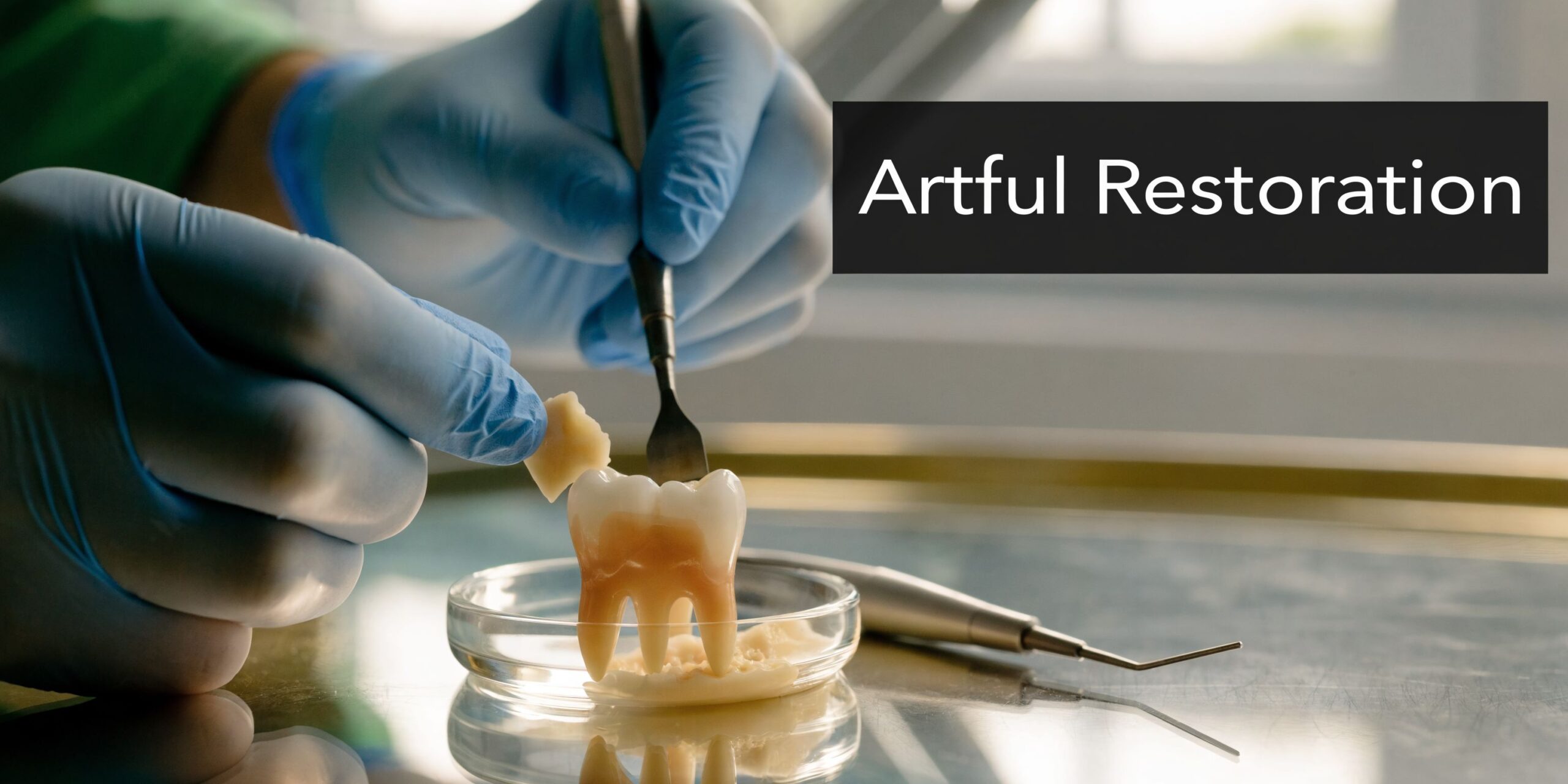
Dental bonding uses a tooth-colored composite resin that’s placed directly onto the tooth, shaped carefully, hardened, and polished. The final result is meant to blend in with the surrounding enamel so the repair looks natural rather than patched.
A simple way to think about it is this. The dentist works a bit like a sculptor and a bit like a builder. The resin starts in a workable state, then gets formed into the right contour, then secured to the tooth.
What bonds the material to the tooth
Many patients hear the word “bonding” and wonder whether the resin sits on the surface like glue. It doesn’t work that way.
Modern bonding depends on carefully preparing the tooth so the material can hold securely. The key scientific breakthrough came in 1955, when Dr. Michael Buonocore showed that acid-etching enamel created a microscopic surface that greatly improved resin adhesion, a milestone described in this history of adhesive dentistry.
That discovery changed cosmetic and restorative dentistry because it made reliable adhesion possible.
What the resin is used for
Composite resin is versatile. In everyday practice, it may be used to:
- Repair chips and worn edges
- Close small spaces
- Improve symmetry
- Reshape teeth that look uneven
- Blend cosmetic changes conservatively
The material is selected in a shade that matches your natural tooth color as closely as possible. That shade-matching step matters. A beautiful bonding result doesn’t just depend on strength. It depends on how well the dentist blends color, shape, surface texture, and polish.
Where people get confused
Patients often mix up bonding with veneers. They can both improve the look of front teeth, but they’re not the same.
Bonding usually involves placing composite directly on the tooth. Veneers are separate coverings, often chosen when the treatment goals are broader or when a patient wants a different long-term option.
If your main concern is spacing, this guide on how to fix gaps in teeth without braces can help clarify where bonding may fit.
Bonding works best when the change needed is precise. A chip, a small gap, a contour problem, or a localized cosmetic defect.
The Step-by-Step Dental Bonding Procedure in Vienna
Most bonding appointments feel much easier than patients expect. The pace is steady, the steps are straightforward, and the work is usually done in one visit.
That matters because uncertainty is often what makes dental treatment feel stressful.

The appointment usually starts with planning
Before any resin is placed, the dentist looks closely at the tooth, the bite, and the surrounding smile. This is when you talk about what you want changed.
Sometimes the goal is simple. “I want this chip gone.” Sometimes it’s more visual. “I want these two teeth to look more even.”
Shade selection happens early as well. The resin needs to blend with the natural teeth around it, so the dentist chooses the color before the tooth is altered or dried too much.
Then the tooth is prepared gently
The preparation step is one of the reasons bonding is considered conservative. In many cases, very little tooth structure has to be removed.
The tooth surface is conditioned so the resin can adhere properly. In modern practice, the dentist may use a total-etch or selective-etch approach, and that choice depends on the depth of the repair and helps influence bond strength, sensitivity, and longevity, as explained in this overview of dental bonding techniques and adhesive selection.
The patient takeaway is this: The adhesive method is chosen carefully because it affects how well the restoration performs.
The resin is shaped directly on the tooth
This is the artistic part.
The dentist places the composite in a controlled way, then shapes it to create the right contour and edge. If the bonding is closing a gap, the resin is built to improve proportion. If it’s repairing a chip, the resin is shaped to recreate what the tooth originally looked like.
This stage often surprises patients because the change becomes visible quickly.
A curing light is then used to harden the material. After that, the dentist refines the shape, checks your bite, and polishes the surface so it looks smooth and natural.
What the visit feels like
For many cosmetic bonding cases, patients are relieved by how uneventful the visit feels.
A typical experience often includes:
- A short discussion of goals
- Shade matching
- Gentle surface preparation
- Layering and shaping the resin
- Curing and polishing
A lot of patients expect drilling, shots, or a long recovery. Bonding often feels much simpler than that.
You can usually return to normal daily activities right after the visit.
Key Benefits and Realistic Limitations of Tooth Bonding
Bonding has a lot going for it. It’s conservative, efficient, and often very effective for focused cosmetic changes. But it also has limits, and being honest about those limits is part of making a smart decision.
Where bonding shines
Bonding is often appealing because it preserves more of the natural tooth than many larger restorative options. It can also produce a visible improvement quickly.
Its biggest strengths usually include:
- Conservative treatment: It often requires little alteration of the natural tooth.
- Fast cosmetic change: Many cases can be completed in one visit.
- Natural-looking results: Composite can be shaped and polished to blend with nearby teeth.
- Versatility: It can help with chips, contour issues, and small spaces.
From a durability standpoint, direct composite bonding restorations often show 5-year survival rates of 80 to 90 percent, and modern techniques and materials can extend lifespan to 10 years or more with proper care, according to this clinical summary of dental bonding longevity.
Where bonding has limits
Bonding isn’t the best answer for every smile concern.
Composite resin can stain more easily than porcelain. It may also chip or wear sooner in patients who clench, grind, bite hard objects, or need heavier correction on high-pressure teeth.
That doesn’t make bonding a poor option. It just means the right question isn’t “Is bonding good?” The right question is “Is bonding good for this tooth, this bite, and this person’s habits?”
Good candidates usually share a pattern
Bonding often makes the most sense when:
- The defect is modest: A small chip or gap is a classic example.
- The tooth is otherwise healthy: Bonding works best when the foundation is sound.
- The patient wants a conservative approach: Many people value keeping treatment simple.
- The expectations are realistic: Bonding can look beautiful, but it isn’t identical to porcelain in every situation.
A balanced conversation matters. Sometimes bonding is the ideal first move. Other times, a veneer or crown offers a better long-term result.
Comparing Bonding with Veneers and Crowns
When patients weigh cosmetic options, they usually aren’t asking which treatment is “best” in general. They’re asking which treatment makes the most sense for their tooth, their budget, and how long they want the result to last.
That’s where a side-by-side comparison helps.
Dental Bonding vs. Veneers vs. Crowns at a Glance
| Feature | Dental Bonding | Porcelain Veneers | Dental Crowns |
|---|---|---|---|
| Best use | Minor chips, small gaps, shape refinements, localized cosmetic fixes | Front-facing cosmetic changes when a broader smile redesign is needed | Teeth with more extensive structural damage or when stronger coverage is needed |
| Tooth alteration | Usually minimal | More than bonding | Typically more than bonding and veneers |
| Treatment timeline | Often completed in one visit | Usually a multi-step process | Often more involved, though some crowns can be done same day |
| Appearance | Natural-looking when well matched and polished | Known for excellent esthetics and stain resistance | Can look very natural while also restoring form and function |
| Long-term maintenance | May need repair or replacement sooner | Often chosen for longer cosmetic service | Often selected when strength and protection are priorities |
| Cost approach | Lower upfront cost | Higher upfront cost | Higher upfront cost |
The budget question families often ask
Bonding is often chosen because it’s more approachable financially at the start. That can be the right move, especially for a small repair.
But upfront cost isn’t the only cost that matters.
Bonding is less expensive upfront than veneers or crowns, yet it may need replacement every 5 to 7 years, and those recurring costs can sometimes exceed the one-time investment in a longer-lasting veneer over a 10 to 15 year period, as discussed in this guide to long-term value in dental bonding.
That idea is often called total cost of ownership. It means looking beyond today’s fee and asking what the restoration may require over time.
When bonding often makes the most sense
Bonding is often the most sensible choice when the problem is small and targeted.
Examples include:
- One chipped front tooth
- A narrow gap between front teeth
- A tooth that needs slight reshaping
- A patient who wants a conservative first step
In those situations, bonding can be efficient and satisfying without committing the patient to a larger procedure.
When veneers may be the better investment
Veneers often enter the conversation when several front teeth need cosmetic improvement at once, or when the patient wants an extensive esthetic redesign.
They may also appeal to patients thinking long term about stain resistance and consistency across the smile. If you’re sorting through those tradeoffs, this comparison of composite veneers vs porcelain can help.
When crowns are the better answer
Crowns usually become the better choice when the issue is not just appearance.
If a tooth is more damaged, heavily restored, structurally compromised, or needs broader protection, a crown can do something bonding is not meant to do. Crowns cover and reinforce more of the tooth, which can be important when function is part of the problem.
A small cosmetic defect often calls for bonding. A larger structural problem usually calls for something stronger.
Your Experience at Vienna Implant and Family Dentistry
Choosing a treatment matters. Choosing where you receive it matters too.
For many patients, especially those with anxiety, the quality of the explanation and the tone of the visit shape the whole experience. People want a dentist who listens, explains options clearly, and doesn’t make them feel rushed or judged.

What comfort looks like in real life
Comfort isn’t only about the procedure itself. It’s also about knowing what to expect.
At Vienna Implant and Family Dentistry, patients can expect:
- A judgment-free conversation: You can talk openly about what bothers you and what worries you.
- Personalized treatment planning: A tiny cosmetic fix and a full-mouth reconstruction don’t need the same approach.
- Anxiety-conscious care: Sedation options are available for patients who need extra help feeling at ease.
- Integrated care in one office: That matters if bonding is only one part of a larger treatment plan.
Why this matters for families in Vienna
Families often want a dental home that can handle routine care, cosmetic concerns, restorative work, and more complex treatment if life changes.
That kind of continuity helps. If bonding is the right choice now, great. If a crown, veneer, implant, or broader reconstruction becomes the better option later, the relationship and records are already in place.
Practical details matter too. Convenient scheduling, transparent payment options, and an in-house Smile Savings Plan can make treatment feel more manageable for uninsured patients.
For readers in Vienna, VA and nearby Northern Virginia communities, a key advantage is having a local office that can treat a simple chip with the same care and attention given to more advanced cases.
Frequently Asked Questions About the Bonding of Teeth
Does bonding hurt
Most patients find bonding very comfortable. For cosmetic bonding, anesthesia is often minimal or not needed at all. That’s one reason many nervous patients choose it as a first step.
Can bonded teeth be whitened later
The bonding material itself doesn’t whiten the same way natural teeth do. If you’re thinking about whitening and bonding, it’s usually best to discuss the order of treatment with your dentist so the final shade looks consistent.
How do I help bonding last longer
Daily habits matter.
- Brush and floss consistently: Keep the tooth and its edges clean.
- Avoid using teeth as tools: Don’t bite pens, packages, or fingernails.
- Be careful with hard chewing habits: Ice and similar habits can chip resin.
- Keep regular dental visits: Your dentist can monitor wear, polish the surface, and catch small issues early.
Is bonding good for teenagers or older adults
It can be. Teens with minor chips and older adults with small cosmetic wear may both benefit, depending on the health of the tooth and the bite. The right answer depends on the individual tooth, not just age.
Will insurance cover dental bonding
Coverage varies. If bonding is done for a restorative reason, insurance may treat it differently than if it’s purely cosmetic. The best way to know is to have the office review your benefits before treatment.
Who is a good candidate
A good candidate usually has a healthy tooth with a modest cosmetic or minor structural issue and wants a conservative solution. If the tooth has more extensive damage, another option may provide a better long-term result.
If you’re in Vienna, VA or nearby in Northern Virginia and want a simple, natural-looking fix for a chip, gap, or uneven tooth, Vienna Implant and Family Dentistry can help you explore whether bonding is the right fit. Schedule a consultation to get a clear, pressure-free plan for your smile.