If you're thinking about Invisalign in Vienna, VA, you're probably feeling two things at once. You're excited about the idea of straighter teeth, and you're also wondering, "What does this feel like day to day?"
That second feeling is completely normal.
Most patients don't worry about the end result. They worry about the in-between. Will it hurt? Will they talk funny at work? Will eating become annoying? Could something go wrong? Those are smart questions. Invisalign is a very popular way to straighten teeth, but it still moves teeth, and any treatment that moves teeth comes with an adjustment period.
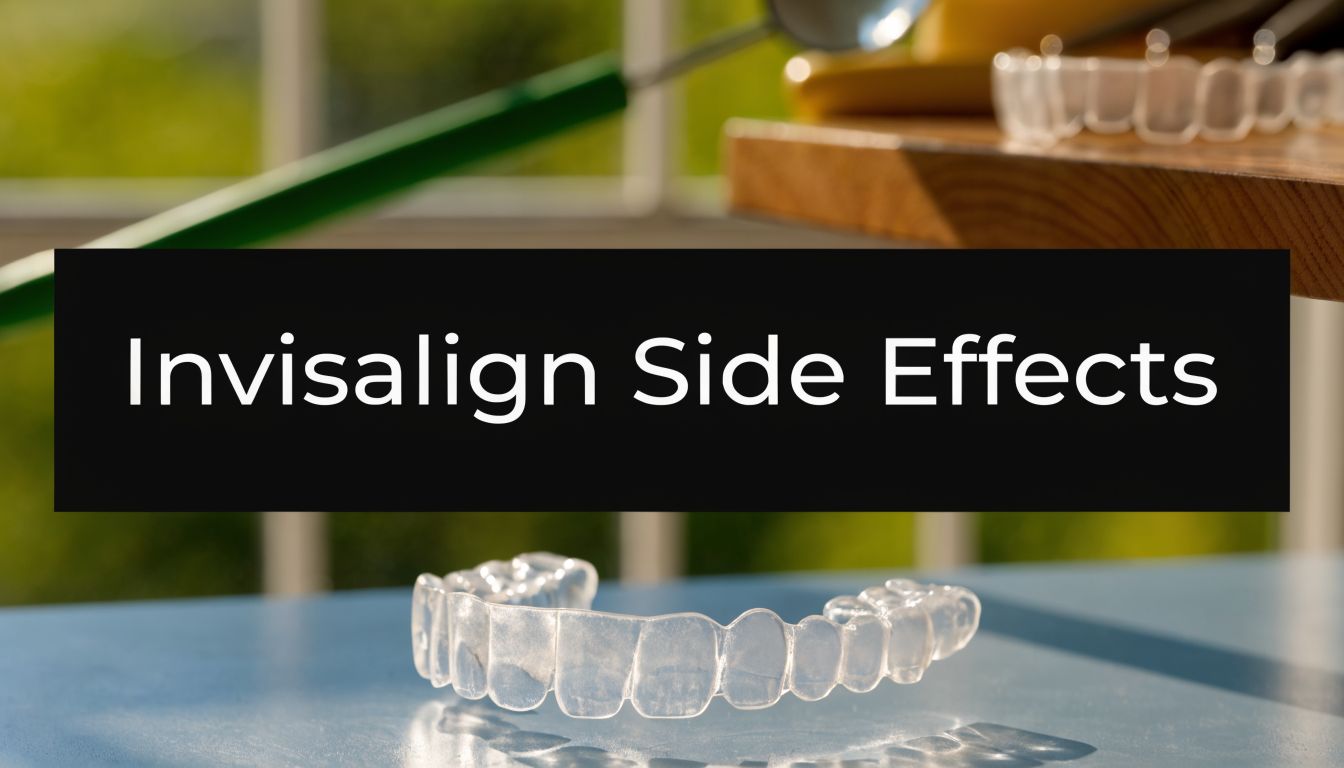
The good news is that most invisalign side effects are mild, temporary, and manageable when you know what's coming. The first week feels different from month two. The experience of switching to a new tray is different from the routine of living with aligners every day. And the rare issues people read about online are usually best understood with calm, clear context instead of fear.
Your Guide to Invisalign Treatment in Vienna VA
Many adults and teens in Northern Virginia look at Invisalign for the same reason. They want a straighter smile without metal braces, and they want something that fits more easily into work, school, family life, and photos.
That appeal is real. Invisalign aligners are clear, removable, and designed to make orthodontic treatment more convenient. But convenience doesn't mean mystery-free. If you're a little anxious about side effects, you're asking exactly the right questions before starting.
Why side effects happen at all
Invisalign works by applying controlled pressure to teeth over time. That pressure is what creates movement. If teeth are moving, your mouth will notice. Some sensations are expected, especially when you start treatment or switch to a new set of trays.
That doesn't mean something is wrong. It usually means your aligners are doing their job.
A helpful way to think about it is this. Invisalign isn't a sudden event. It's a sequence of small adjustments. Each tray asks your teeth to move a little, then your mouth adapts, then the next tray continues the process.
Practical rule: The more you understand the timeline, the less surprising the side effects feel.
Why many patients still choose Invisalign
For many people, the trade-off feels worthwhile because Invisalign tends to be easier to live with than fixed braces. It's especially appealing to adults who want a discreet treatment option as part of a broader smile plan.
If you're exploring whether clear aligners are the right fit, the Invisalign treatment page for Vienna patients gives a good overview of how treatment works locally.
What helps most anxious patients
Patients usually feel calmer when they know three things upfront:
- What is normal: Mild pressure, temporary soreness, and short adjustment periods are common.
- What needs attention: Sharp pain, persistent gum problems, or anything that feels unusual should be checked.
- What makes treatment easier: Good habits with wear time, cleaning, and follow-up visits make a major difference.
Some people expect Invisalign to feel like nothing at all. Others fear it will be miserable. The truth is usually somewhere in the middle. Most patients adapt quickly, and when they do, the process starts to feel predictable.
That predictability matters. When you know what's likely to happen in the first few days, what habits matter every week, and what rare problems your dentist watches for, the whole experience feels much more manageable.
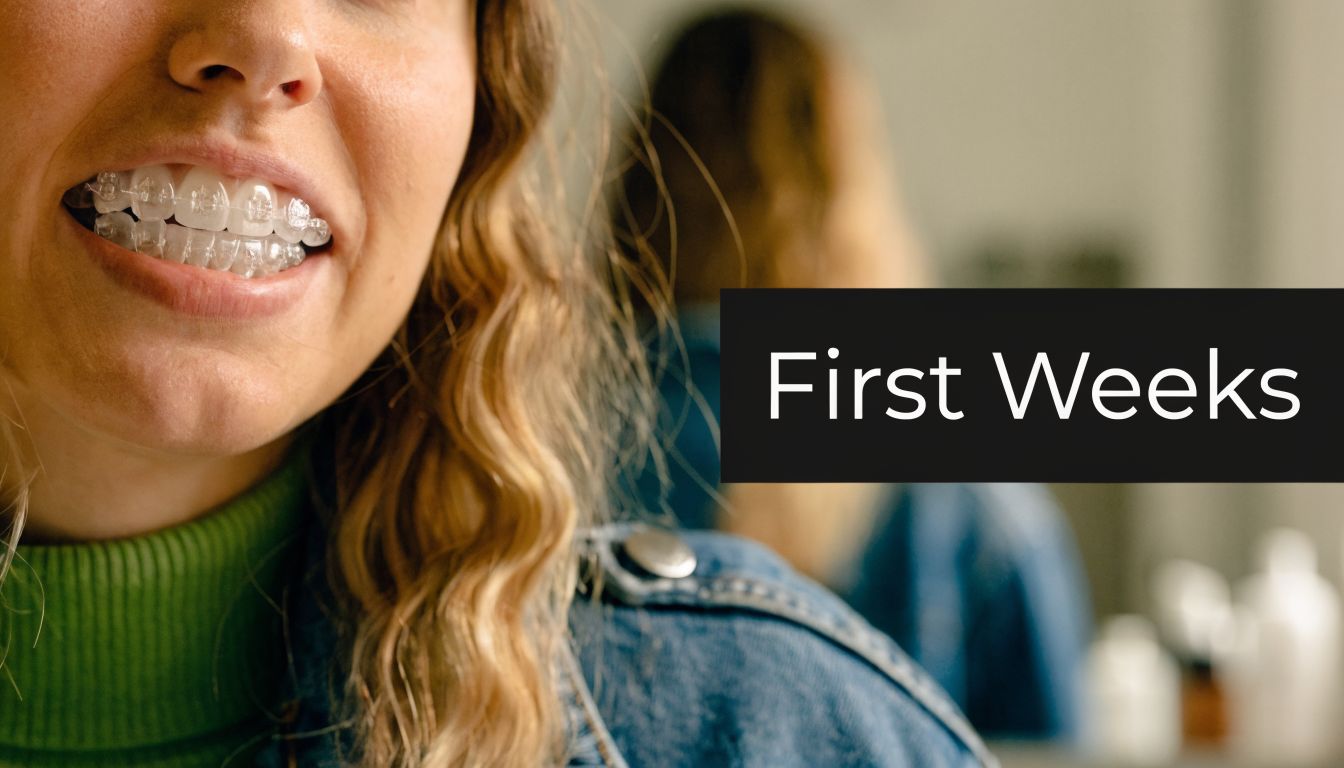
The First Few Weeks What to Expect with New Aligners
The first thing most patients notice isn't pain. It's pressure.
When a new tray goes in, your teeth may feel tight, especially when you bite down or remove the aligners. That's the sensation that tends to make people pause and think, "Okay, this is definitely doing something."
Soreness and pressure
This is the most common early side effect. Teeth can feel tender for a few days when you begin treatment and again when you move into a new aligner set. Many patients describe it as similar to how muscles feel after a new workout. You notice the strain because something is changing.
That tenderness is usually most noticeable with chewing. Softer foods can help during the first couple of days of a new tray. Some people also prefer to switch to a new set at night, so they sleep through the earliest adjustment period.
A patient satisfaction study comparing Invisalign with conventional fixed appliances found that both groups finished with high satisfaction, but Invisalign users reported significantly less dissatisfaction with eating and chewing, 49% vs. 24% for brackets, according to this published review of patient satisfaction and quality of life. That doesn't mean there is no soreness. It means many patients find the day-to-day experience more manageable than they expected.
A temporary lisp or speech change
Some patients notice a slight lisp during the first several days. This usually happens with sounds like "s" or "sh." Your tongue is adjusting to a thin layer of plastic sitting over the teeth, and speech mechanics need a little practice.
The fastest way through this is simple. Talk more.
Read out loud in the car. Take a phone call. Repeat words that feel awkward. Individuals often adapt quickly because the tongue learns fast. If you're worried about an important meeting or social event, starting a new tray in the evening or before a lighter day can help.
A short speech adjustment is common at the start. It usually improves with use, not with avoiding speech.
Dry mouth or extra saliva
This part confuses people because both can happen.
Some mouths respond to aligners by making more saliva at first because the body treats the trays like something new in the mouth. Other patients feel dry mouth, especially if they already breathe through their mouth at night or don't drink enough water during the day.
A few simple habits help:
- Keep water nearby: Frequent sips can make the trays feel more comfortable.
- Avoid sugary drinks while wearing aligners: Water is the safest choice.
- Pay attention at night: If you wake with a dry mouth, mention it at your next visit.
What usually helps in the first week
Instead of trying to "tough it out," use a few practical adjustments:
- Choose softer foods early on: Yogurt, eggs, soups, pasta, and smoothies are easier when teeth feel tender.
- Switch trays before bed: Many patients prefer to sleep through the first hours of pressure.
- Use approved pain relief if needed: Over-the-counter pain relief may help if your dentist says it's appropriate for you.
- Stay consistent with wear: Taking trays in and out too often can make each reinsertion feel more uncomfortable.
The key idea is simple. Early Invisalign side effects are usually signs of adjustment, not signs of failure. When patients know that ahead of time, they tend to feel much less alarmed by the first few tray changes.
Managing Daily Life with Invisalign Common Adjustments
After the first shock wears off, Invisalign becomes less about "What is this feeling?" and more about routine. Small habits become crucial. The aligners themselves are straightforward. Living with them smoothly is the true skill.

When tray edges feel irritating
Some patients notice rubbing against the cheeks, lips, or tongue. This is usually mild, but one rough edge can feel much bigger than it looks. Oral tissues are sensitive, and repeated friction can create a sore spot.
If that happens, don't ignore it for days hoping it will magically disappear. There are usually simple fixes.
- Use orthodontic wax if advised: A small amount over the irritating area can reduce friction.
- Check for one specific trouble spot: If the same area keeps rubbing, mention it promptly.
- Ask for smoothing when needed: A dentist can evaluate whether an edge needs adjustment.
This matters even more for patients who already clench or carry jaw tension. Extra irritation can make the whole mouth feel more fatigued. If jaw soreness is part of your history, treatment planning sometimes overlaps with broader bite and muscle concerns, including TMJ treatment options in Vienna.
Eating takes planning at first
Invisalign aligners need to come out before meals and snacks. That sounds easy until real life happens. Coffee on the go, a quick bite between errands, lunch at work, an afternoon snack with kids. Suddenly you realize how often you casually eat or sip.
For some people, this becomes the biggest adjustment. Not because it's difficult, but because it changes autopilot behavior.
Daily life usually looks like this:
| Situation | Helpful adjustment |
|---|---|
| Morning coffee routine | Finish your drink before putting trays back in, or stick with water while wearing them |
| Lunch away from home | Carry your case, toothbrush, and floss |
| Frequent snacking | Group eating times together instead of removing trays repeatedly |
| Dining out | Put trays in their case right away so they don't end up in a napkin |
A surprising side benefit is that some patients become more mindful eaters. They snack less because putting aligners back in should happen with clean teeth.
Oral hygiene becomes non-negotiable
This is one of the most important parts of managing invisalign side effects well. Aligners sit closely over teeth. If food debris and plaque stay trapped underneath, your mouth can become irritated, teeth can stain, and your risk of decay goes up.
The routine isn't complicated, but it does need to be consistent.
The clean-teeth rule
Before aligners go back in, teeth should be as clean as possible. At home, that usually means brushing and flossing. When you're out, even a good rinse is better than putting trays back over obvious food residue until you can clean properly.
Clean teeth before trays go back in. That's one of the simplest ways to protect your smile during treatment.
A daily Invisalign hygiene kit often helps. Many patients do better when they keep a small pouch with a travel toothbrush, toothpaste, floss, and aligner case in their bag, car, or desk.
Habits that make treatment easier
Not every good habit needs to be perfect to be effective. It just needs to be repeatable.
- Build a tray routine: Keep removal, meals, cleaning, and reinsertion in the same order.
- Use the case every time: Lost aligners often disappear in napkins, pockets, or lunch trays.
- Rinse aligners regularly: This helps reduce buildup and keeps them fresher.
- Don't force yourself to multitask with them: If you're rushing, you're more likely to misplace trays or skip cleaning.
The patients who say Invisalign felt easy usually aren't lucky. They built systems. Once those systems become automatic, everyday treatment feels far less disruptive.
Understanding Rare Invisalign Side Effects
Most Invisalign side effects are mild and temporary. A smaller group of side effects deserves a more careful conversation, not because they're common, but because patients should understand what their dental team is watching for.
Knowing about these issues usually reduces anxiety. Uncertainty tends to make people more nervous than facts do.

Allergic or material sensitivity reactions
True allergy to aligner material isn't something most patients experience, but sensitivity can happen. A patient may notice unusual mouth irritation, soreness that doesn't match the tray transition pattern, or tissue changes that seem out of proportion to a normal adjustment.
The key difference is duration and pattern. Normal pressure tends to settle. A material issue tends to persist or feel unusually widespread.
If your mouth feels persistently inflamed, don't try to diagnose it yourself online. A dentist needs to see whether the issue is friction, hygiene-related irritation, dry mouth, or something less common.
Root resorption explained simply
Root resorption means shortening of the tooth root during orthodontic movement. It can happen with any orthodontic treatment because moving teeth places force on the supporting structures around them.
That phrase sounds alarming, so let's make it more understandable. The visible part of the tooth is the crown. Under the gum, the root anchors the tooth in bone. During treatment, the body remodels the tissues around the tooth so movement can happen. In some cases, that remodeling includes some degree of root shortening.
A source discussing potential side effects of Invisalign notes that mild root resorption of less than 2 mm occurs in around 10% to 20% of cases, while severe cases greater than 4 mm are under 5%, and that X-ray monitoring at 6-month intervals is a key way to catch problems early, according to this review of root resorption risk and monitoring.
Why monitoring matters more than worrying
The reason to discuss root resorption isn't to make patients fearful. It's to show why follow-up matters. Orthodontic treatment should never be treated like a mail-order process with no supervision. Tooth movement needs periodic evaluation.
If imaging shows a concern, treatment can be paused or adjusted. That ability to respond is what protects long-term tooth health.
If something rare does happen during tooth movement, early detection matters more than panic.
TMJ and bite-related concerns
Some patients already have jaw tension, clenching, popping, or morning soreness before Invisalign ever begins. Others notice that as their bite changes through treatment, their jaw muscles feel different from week to week.
That doesn't automatically mean Invisalign is harming the jaw joint. It often means the bite is changing and the muscles are responding. But persistent pain, worsening headaches, or jaw locking deserve evaluation.
Patients who already grind their teeth at night often have overlapping concerns, and those patterns are worth understanding in context. If that's familiar, this guide on what causes teeth grinding at night can help connect the dots.
Signs you shouldn't ignore
It's helpful to separate expected discomfort from a reason to call.
| Likely normal | Needs prompt evaluation |
|---|---|
| Mild pressure with a new tray | Sharp, localized pain |
| Temporary speech change | Swelling that doesn't settle |
| Brief tooth tenderness | Persistent gum irritation or bleeding |
| Minor rubbing that improves | A tray that clearly doesn't fit as expected |
Most rare Invisalign side effects become manageable because someone notices them early and responds. That's why regular check-ins are part of good care. Not because problems are expected, but because oversight is part of safe treatment.
Invisalign vs Braces A Side Effect Comparison
When patients ask whether Invisalign or braces are "better," they usually aren't asking only about tooth movement. They're asking what life will feel like during treatment.
That question matters. Side effects aren't just clinical. They're practical. They affect lunch, brushing, social confidence, and how much your mouth notices treatment from one day to the next.
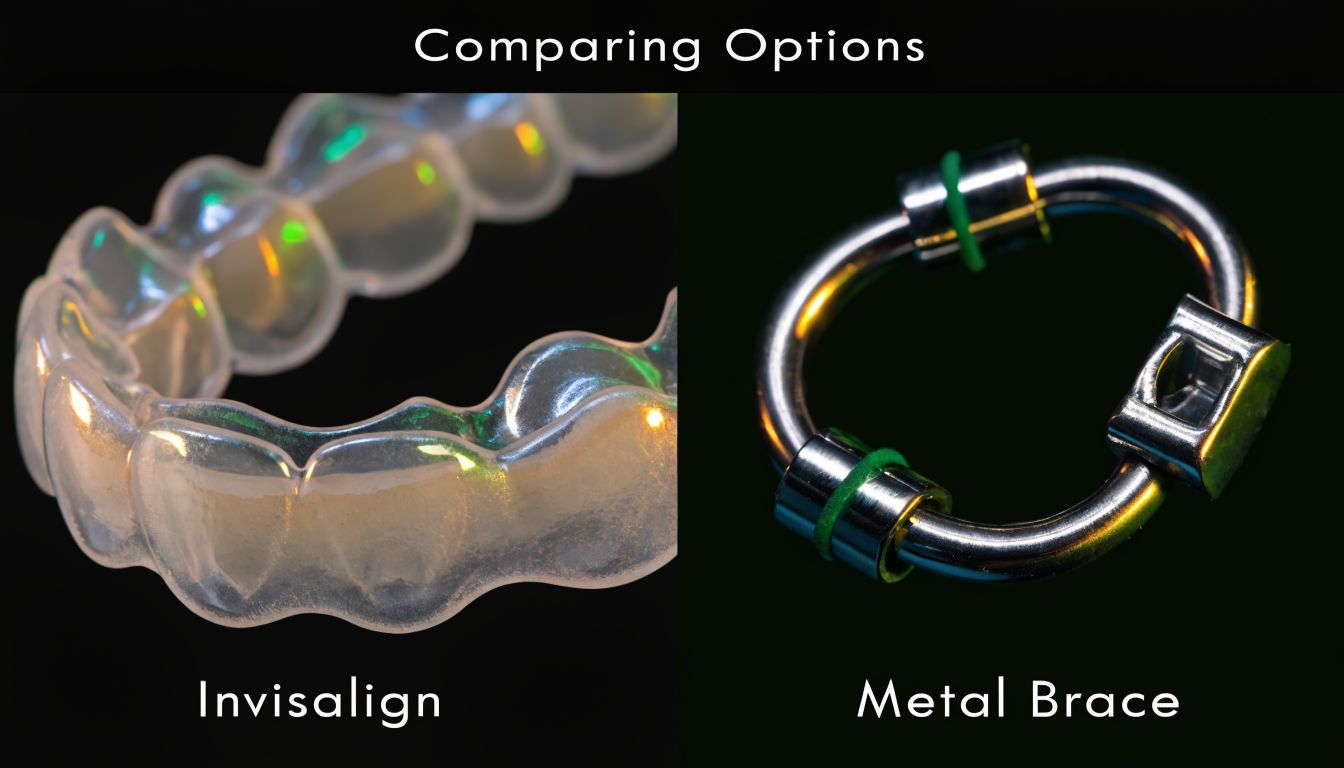
Comfort and soft tissue irritation
Braces use brackets and wires. Those parts can rub cheeks, lips, and the inside of the mouth. Invisalign trays are smooth plastic, so patients often deal with less of that hardware-related irritation.
That doesn't mean Invisalign is sensation-free. As covered earlier, there can still be pressure and edge irritation. But the type of irritation is different. With braces, discomfort often comes from fixed hardware that stays in contact with soft tissue all day. With aligners, irritation is usually milder and more adjustable.
Oral hygiene is one of the biggest differences
This is where Invisalign often stands out most clearly. Since aligners are removable, patients can brush and floss their teeth more normally than they can with brackets and wires.
A clinical study found that patients using Invisalign had significantly better periodontal health and lower biofilm mass after 3 months than patients with fixed appliances. The same study reported mean bacterial concentration at the three-month mark of 2,739 in the Invisalign group, 8,187 in the control group, and 104,536,026 in the fixed appliance group, according to this clinical comparison of periodontal health and biofilm mass.
That matters because orthodontic treatment shouldn't come at the expense of gum health. If a patient already worries about plaque buildup, swollen gums, or keeping teeth clean around appliances, removability can be a meaningful advantage.
Daily trade-offs side by side
Here's a practical comparison many patients find helpful:
| Topic | Invisalign | Braces |
|---|---|---|
| Appearance | Clear and low-profile | Visible metal hardware |
| Eating | Trays come out for meals | Food can catch around brackets |
| Brushing and flossing | More like normal home care | Cleaning around wires takes more effort |
| Mouth feel | Smooth plastic trays | Brackets and wires can rub tissue |
Which side effects bother you more
This is often the real decision point.
Some patients would rather deal with the responsibility of removing aligners and cleaning more often than deal with fixed metal hardware. Others prefer not having to remember trays at all and are comfortable with braces. Neither reaction is wrong. It depends on your habits, priorities, and treatment needs.
The best orthodontic option isn't the one with zero inconvenience. It's the one whose trade-offs fit your life well enough that you can finish treatment successfully.
For many adults in Vienna, VA, Invisalign is appealing because its side effects tend to center on manageable routines rather than fixed hardware. For others, braces may still be the better clinical choice. A good consultation should sort that out clearly.
Your Invisalign Journey at Vienna Implant and Family Dentistry
Starting Invisalign usually feels easier once you know what the process looks like in real life. For most patients, the first visit is less dramatic than they expected. It's a conversation, an exam, and a planning appointment, not a high-pressure commitment.
The consultation experience
A typical Invisalign consultation begins with your goals. Some patients want straighter front teeth. Some want to fix crowding that makes brushing harder. Others are planning a bigger cosmetic update and want to know whether aligners should come before veneers or other restorative work.
Photos, a clinical exam, and digital records help shape that conversation. Modern offices often use 3D iTero scanning, which means no messy traditional impressions. Patients usually appreciate seeing their teeth digitally on screen because it makes the treatment feel more concrete and less abstract.
Planning your treatment around your life
One of the most helpful parts of Invisalign is that treatment can be personalized for the person wearing it. A parent with a busy family schedule, a professional who speaks in meetings all day, and a patient who feels nervous at dental visits may all need the same alignment result but a different care approach.
That includes comfort planning. If you tend to feel anxious in the dental chair, even routine orthodontic visits can feel more manageable when the office is calm, communicative, and prepared to support nervous patients. For some people, just knowing sedation options exist for broader dental care is enough to lower stress.
Follow-up visits and course corrections
Invisalign isn't a one-time handoff. You receive aligners in sequence, and your progress is checked along the way to make sure teeth are tracking as planned. If an attachment comes off, a tray feels wrong, or movement isn't matching the digital plan, the dentist can evaluate what needs to change.
That oversight is part of why patients often feel more secure once they get started. They realize they aren't expected to figure everything out alone.
A simple version of the journey often looks like this:
- Consultation and records
- Digital treatment planning
- Aligner delivery and instructions
- Periodic progress visits
- Refinement if needed
- Retention to protect the result
Invisalign as part of a larger smile plan
Some patients need only alignment. Others want a broader smile makeover. Invisalign may be used before cosmetic bonding, whitening, veneers, or restorative treatment so the final result is built on a better tooth position.
That sequencing can matter. Straightening first may create a cleaner, more conservative path for future cosmetic work. It can also make long-term home care easier, which is one of the quieter but most valuable benefits of orthodontic treatment.
What patients usually want most isn't only straighter teeth. They want a process that feels organized, respectful, and manageable. When care is personalized and expectations are explained clearly, even anxious patients often find that the Invisalign journey feels much less intimidating than they imagined.
Begin Your Path to a Confident Smile in Vienna
Most invisalign side effects aren't signs that something is going wrong. They're signs that your mouth is adjusting to a treatment that's designed to move teeth gradually and carefully.
That distinction matters.
Mild pressure, a few sore days with new trays, small changes in speech, and daily habit adjustments are all part of a predictable process for many patients. Rare concerns can happen, but they make a lot less sense when read on random forums than when discussed with a dentist who can evaluate your actual teeth, bite, gums, and goals.
If you're in Vienna, VA or nearby Northern Virginia and you've been putting off Invisalign because you're unsure what the experience will feel like, a conversation can make things much clearer. Vienna Implant and Family Dentistry provides patient-centered, judgment-free care for families, busy adults, cosmetic patients, and people who feel nervous about dental treatment. Dr. Vikram Chauhan and the team focus on making care understandable, comfortable, and personalized to the person sitting in the chair.
If you're ready to explore your options, contact Vienna Implant and Family Dentistry to schedule an Invisalign consultation at 112 Pleasant St. NW, Suite H, Vienna, VA 22180. You can learn more through the Vienna Implant and Family Dentistry website and take the next step toward a straighter, healthier smile with a local team that understands how to guide you through every stage.