Having a tooth removed can bring up a lot of questions, especially about what comes next. At Vienna Dental Implant & Family Dentistry, we want to make sure every patient in Vienna, VA, and the surrounding communities feels confident and prepared for a smooth recovery. Proper aftercare for extractions is simple and focuses on a few key steps: protecting the healing site, managing swelling, sticking to soft foods, and keeping your mouth clean. Those first 24 hours are the most important for setting yourself up for success.
Your First 24 Hours After a Tooth Extraction
The day of your tooth extraction is the single most important part of your healing. Here at Vienna Dental Implant & Family Dentistry, we want you to feel confident and prepared with a clear game plan for a comfortable, smooth recovery. Your main job is simple: protect the blood clot forming in the empty socket. Think of it as a natural bandage that your body creates, and it's absolutely essential for proper healing.

Right after your procedure in our Vienna, VA, office, we’ll place a folded piece of sterile gauze over the site. We'll have you bite down with firm, steady pressure, which is the first step in controlling bleeding and helping that crucial clot form. Our team is dedicated to making you feel comfortable and reassured every step of the way.
To help you keep track of everything, here is a simple guide for that first day.
Quick Guide for the First 24 Hours
Follow these key actions in the first day after your extraction to support healing and minimize discomfort.
| Timeframe | What to Do | Why It's Important |
|---|---|---|
| First 30-60 mins | Bite firmly on the gauze we provide. Don't talk or chew. | This direct pressure is the best way to stop initial bleeding and help the blood clot form. |
| First 24-36 hrs | Apply an ice pack to your cheek (20 mins on, 20 mins off). | Ice constricts blood vessels, which dramatically reduces swelling and soothes discomfort. |
| First 24 hrs | Stick to a liquid or very soft diet (e.g., yogurt, smoothies, lukewarm soup). Avoid straws. | This prevents dislodging the clot. Hot foods can dissolve it, and suction from straws can pull it out. |
| First 24 hrs | Rest and keep your head elevated with pillows, even when lying down. | Elevation helps reduce bleeding and swelling. Avoid any strenuous activity that raises your blood pressure. |
Following this timeline closely will set you up for a much easier recovery in the days that follow.
Managing Bleeding and Gauze
It's completely normal to see some oozing or a little bit of bleeding in the first few hours. The key is how you manage it.
- Keep biting on that first gauze pad for about 30 to 60 minutes after leaving our office.
- If you're still bleeding after that, you can swap it out for a fresh piece. Moisten the new gauze slightly with water, fold it up, and continue biting down for another 30 minutes. A moist pad won’t stick to the clot when you remove it.
- Try not to peek at the site too often. Let the pressure do its job undisturbed.
Keep in mind, a small amount of blood mixed with your saliva can look like a lot more than it really is. However, if you're experiencing heavy, continuous bleeding that soaks through a gauze pad in under 20 minutes, please give our Vienna office a call. To feel even more prepared for the whole process, you can also check out our guide on how to prepare for tooth extraction.
Controlling Swelling and Discomfort
Once the local anesthesia starts to fade, you'll probably feel some soreness and notice swelling. This is a perfectly normal part of the healing process, and getting ahead of it is your best bet.
The single best thing you can do to minimize swelling is to use an ice pack on the outside of your cheek, right over the extraction area. This constricts the blood vessels and stops inflammation before it really gets going.
Use the ice pack in a consistent cycle: 20 minutes on, then 20 minutes off. Repeat this as much as you can for the first 24-36 hours. This simple step makes a huge difference in your comfort over the next few days. For any soreness, over-the-counter pain relievers like ibuprofen (Advil, Motrin) or acetaminophen (Tylenol) work very well. We will give you specific advice based on your medical history, but it’s a great idea to take the first dose before the anesthetic wears off completely. This helps you stay ahead of the pain.
Initial Activity and Diet Restrictions
For the rest of the day after your procedure, your only job is to rest. Keep your head propped up with pillows, even when you're lying down, as this helps minimize both bleeding and swelling. Definitely avoid any strenuous activity, heavy lifting, or even just bending over—anything that might spike your blood pressure and cause the site to start bleeding again.
Stick to a liquid or very soft-food diet for this first day. Think smoothies (but no straws!), yogurt, applesauce, and lukewarm soups. It's critical to avoid anything hot, as heat can dissolve or dislodge the blood clot. You must also avoid smoking or drinking alcohol, as both can seriously interfere with your body's ability to heal. Following this advice will give your body the best chance to recover quickly and without complications.
How to Manage Pain and Swelling Like a Pro
It’s completely normal to have some discomfort and swelling after a tooth extraction. Think of it as your body’s way of starting the healing process. The good news is you have a lot of control over how you feel in the days that follow. Having a solid game plan can make all the difference.

The first 24 to 48 hours are usually when you'll notice the most swelling and soreness. During this initial window, your best friend is going to be a cold pack.
Applying an ice pack to your cheek over the extraction site is incredibly effective. The cold helps constrict blood vessels, which works wonders to reduce inflammation and gently numb the area for some natural pain relief.
The Right Way to Use Ice and Heat
To really keep swelling in check, it’s all about a consistent routine. For the first two days after your procedure, stick to this simple but powerful cycle:
- Apply an ice pack for 20 minutes.
- Then take it off for 20 minutes.
This "on-and-off" method is key—it delivers the anti-inflammatory benefits without irritating your skin. Just remember to wrap the ice pack in a thin towel instead of putting it directly on your skin.
Once you pass the 48-hour mark, it’s time to switch your strategy from cold to warm. By now, the initial swelling has stabilized. The goal shifts to easing any lingering muscle stiffness and boosting circulation to help the area heal. A warm, moist compress, like a washcloth soaked in warm water, can feel incredibly soothing. Apply it to your cheek for 15-20 minutes at a time, a few times throughout the day.
Pain Relief Medication Done Right
Getting ahead of the discomfort is the smartest way to manage it. This often means using over-the-counter (OTC) medications and, in some situations, a prescription. We’ll give you a personalized recommendation at our Vienna, VA office based on your specific procedure and health history.
Here’s a crucial tip from our experience: take your first dose of pain medication before the local anesthetic wears off completely. This keeps you ahead of the pain curve, making it far more manageable.
We often recommend ibuprofen (Advil, Motrin) because it’s an anti-inflammatory, which means it tackles both pain and swelling. Acetaminophen (Tylenol) is another great option for pain. If you receive a prescription, it's vital to take it exactly as directed and never mix it with other pain relievers unless we specifically tell you to. If you want more tips on handling dental discomfort, check out our guide on how to stop tooth pain fast.
Planning for Temporary Life Disruptions
It’s important to be realistic: you’re going to need to take it easy for a few days. Don’t try to be a hero. A study involving 2,000 patients found that most needed to take 1–3 days off work after an extraction.
Interestingly, the study noted that 49% of male patients reported an inability to work, compared to 25% of female patients. It also found that sleep was temporarily disrupted for 37% of female patients. These disruptions are almost always temporary and resolve within a few days. You can see more of the findings in the full post-extraction patient analysis.
Knowing this ahead of time helps you plan. Clear your schedule for a couple of days, arrange for help with kids or other responsibilities, and give yourself permission to rest. Set up a comfortable recovery spot on the couch with pillows, blankets, and some movies. This small bit of prep work can reduce stress and give your body the downtime it needs to heal smoothly.
What to Eat and Drink for a Better Recovery
When you're recovering from a tooth extraction, what you eat and drink plays a massive role in how quickly and comfortably you heal. It might seem simple, but giving your body the right fuel—and avoiding the wrong things—is one of the most proactive steps you can take. We see it with our patients here in Vienna, VA, all the time; a little bit of planning makes a world of difference.

Think of your diet as your main tool for protecting the extraction site. The goal is to avoid anything that could disturb that delicate area or, most importantly, the blood clot that’s forming. Let's walk through what a smart recovery menu really looks like.
Your Food Plan for the First Few Days
For the first 24-48 hours, your diet needs to be incredibly gentle. We're talking liquids and foods so soft they don't require any chewing at all. After that, you can slowly start adding in more substantial soft foods as you feel up to it.
Day 1-2 (No Chewing Required):
- Smoothies: These are perfect for getting nutrients without any effort. Think yogurt, soft fruits like bananas, and maybe some protein powder. Just one critical rule: absolutely no straws. The suction is powerful enough to dislodge the healing blood clot.
- Yogurt and Applesauce: Cool, smooth, and easy on the mouth.
- Lukewarm Soups: Creamy, blended soups like tomato or butternut squash are great choices. Make sure they are not hot, as heat can interfere with the clot.
- Pudding and Jell-O: Simple, comforting, and require zero work to eat.
Day 3 and Beyond (Soft, Easy-to-Chew Foods):
- Scrambled Eggs: They're fluffy, soft, and packed with the protein your body needs for tissue repair.
- Oatmeal or Cream of Wheat: Just be sure they’ve cooled down and don't have any hard add-ins like nuts or seeds.
- Mashed Potatoes: A classic comfort food that’s ideal for recovery.
- Flaky Fish: Fish like salmon or cod, cooked until tender, can easily be managed with just a fork.
- Pasta and Macaroni & Cheese: As long as it's well-cooked and soft, this is another easy option.
This gradual progression helps your mouth heal without putting any unnecessary stress on it. If you're looking for even more meal ideas, especially if your extraction is part of a plan for a future dental implant, our guide on what to eat after dental implant surgery has some great suggestions.
Foods and Habits You Must Avoid
Knowing what not to do is every bit as important as knowing what to do. Sticking to these rules is your best defense against common complications.
Protecting the blood clot is your number one priority. Dislodging it leads to a painful condition called dry socket. The following restrictions are designed to prevent that from happening.
Steer Clear of These:
- Using Straws: This is the single most common culprit behind a dislodged blood clot. Please, sip directly from the glass.
- Spicy or Acidic Foods: Things with a lot of spice, vinegar, or citrus (like orange juice) can really sting and irritate the healing gums.
- Crunchy or Hard Foods: Chips, nuts, seeds, and popcorn are completely off-limits. Tiny, sharp fragments can get lodged in the socket, leading to pain and potential infection.
- Sticky or Chewy Foods: Caramel, tough breads, and chewy candies create too much force and can pull on the extraction site.
- Alcohol: It can slow down your body's natural healing process and can have negative interactions with your pain medication.
- Smoking or Vaping: Just like a straw, the suction from inhaling is a major risk for dislodging the clot. The chemicals also seriously impair your body's ability to heal.
By following these simple food and drink guidelines, you become an active partner in your own recovery. A little care in the kitchen goes a long way in making sure your healing process is as smooth and comfortable as possible, getting you back to your normal routine here in Vienna, VA, much faster.
Keeping Your Mouth Clean Without Harming the Site
A clean mouth is a fast-healing mouth, but right after an extraction, your approach needs to be incredibly gentle. For the first 24 hours, your main job is to protect the extraction site and let it be. After that initial day, you can begin a careful hygiene routine that will keep infection at bay and help you heal without a hitch.
This whole process is a delicate balance—keeping bacteria in check while giving the healing socket the space it needs. Let’s walk through exactly how to do it safely.

The Gentle Saltwater Rinse
The day after your procedure—not before—is the time to start using a warm saltwater rinse. This simple step is one of the most effective things you can do. Saltwater is a natural disinfectant that reduces bacteria and soothes inflamed gum tissue.
Making it is easy. Just dissolve half a teaspoon of salt into an eight-ounce glass of warm (not hot!) water. To use it, simply tilt your head from side to side, allowing the solution to gently flow over the extraction site.
It's absolutely critical that you do not swish, spit, or gargle forcefully. Any pressure can easily dislodge the protective blood clot. When you're finished, just open your mouth and let the water fall out into the sink.
Repeat this gentle rinse 3-4 times per day, especially after you eat, for the first week of your recovery. This will help keep food particles out of the socket and promote a clean healing environment.
Brushing and Flossing Carefully
You can, and absolutely should, resume brushing your teeth the night of your surgery, but with some very important adjustments. A clean mouth is far less likely to develop an infection, so don’t skip your routine entirely.
The key is to be extremely cautious around the extraction site. Go ahead and brush all your other teeth as you normally would, but as you get close to the gap, slow down and use very gentle motions. Do not let the bristles touch the healing socket or the gums right next to it for at least a few days.
- Avoid the Extraction Site: For the first 3-4 days, completely avoid brushing the teeth immediately next to the empty socket.
- No Toothpaste Near the Site: Be mindful that clumps of toothpaste don't fall into the healing area. A little goes a long way.
- Flossing: You can floss your other teeth, but hold off on flossing the teeth on either side of the extraction site until the area is less tender.
Understanding Your Sutures
If we placed sutures (stitches) at our Vienna, VA, office after your extraction, it was to help the gum tissue close and heal properly. We primarily use two types, and we will always tell you exactly which one you have.
Dissolvable Sutures: These are designed to break down and simply disappear on their own within a week or two. It’s completely normal to notice small pieces coming loose as they dissolve.
Non-Dissolvable Sutures: These stitches are a bit more durable and will need to be removed by us. If you have this type, we’ll schedule you for a quick follow-up appointment, usually about 7-10 days after your procedure, right here at Vienna Dental Implant & Family Dentistry.
No matter which type of sutures you have, try your best to avoid poking at them with your tongue or toothbrush. Just let them do their job. Following these simple oral hygiene steps is a huge part of your aftercare for extractions and empowers you to be an active partner in your own healing.
When to Call Your Dentist About Potential Complications
The good news is that most people recover from a tooth extraction without a single hiccup, especially when they follow our aftercare for extractions advice. Still, knowing what to look for if something feels off is empowering. Our goal at Vienna Dental Implant & Family Dentistry isn't to alarm you, but to make sure you feel confident and prepared for a smooth recovery.
Your body is an incredible healer, but sometimes it sends out signals that it needs a little help. Listening to those signals is the most important part of your recovery. Let's walk through what to keep an eye on.
Identifying a Dry Socket
You've probably heard of a dry socket. It’s the most talked-about complication, and for good reason. Officially known as alveolar osteitis, it happens when the crucial blood clot that forms in the empty socket gets dislodged or dissolves too soon. Without that clot, the underlying bone and nerves are exposed, which, as you can imagine, is quite painful.
Symptoms of a dry socket usually show up 3-5 days after your extraction. Here’s what to look for:
- Intense, throbbing pain: This is the key sign. We’re not talking about the general soreness that gets better each day. This is a deep, radiating pain that often travels up toward your ear and doesn't get much better with over-the-counter pain relievers.
- An empty-looking socket: If you peek at the site, instead of a dark, healing clot, you might see the whitish color of the bone at the bottom.
- A bad taste or odor: A persistent foul taste or bad breath coming from the extraction site can also be a telltale sign.
If you’re experiencing these symptoms, especially that distinct, worsening pain a few days after your procedure, it's time to call us. Dry socket is very treatable, but you'll need our Vienna, VA, team to step in and help you get comfortable again.
Recognizing the Signs of Infection
We take every possible measure to create a sterile environment for your procedure, but an infection can still develop as you heal. Catching it early is key to preventing it from becoming a more serious issue.
These are the red flags for an infection:
- Swelling that gets worse: Swelling normally peaks around day two or three and then starts to go down. If your swelling starts getting worse after day three, that’s a warning sign.
- A persistent fever: A slight fever in the first 24 hours can be normal. However, a fever that pops up or continues several days later is a concern.
- Pus or discharge: Any yellowish or white fluid oozing from the extraction site is a definite sign of infection.
- Pain that increases over time: Just like with a dry socket, if your pain is getting worse instead of better, your body is telling you something isn't right.
Please contact Vienna Dental Implant & Family Dentistry right away if you notice any of these signs.
Other Reasons to Call Our Vienna Office
Beyond dry sockets and infections, a few other situations warrant a quick call. Your peace of mind is our top priority. We would always rather you call and have it be nothing than have you sit at home worrying.
Contact us if you experience:
- Uncontrolled bleeding: Some light oozing is expected. But if you're soaking through a fresh gauze pad in less than an hour and firm, steady pressure isn't stopping it, we need to know.
- Allergic reactions: If you notice a rash, hives, or have trouble breathing after taking any prescribed medication, this is an emergency and requires immediate medical attention.
- Numbness that lingers: If the numbness in your lip, chin, or tongue doesn't go away after more than 12 hours, give our office a call.
Post-extraction complications are rare when aftercare instructions are followed carefully. Understanding the possibilities is simply part of being prepared. Research confirms that while dry socket is the most common problem, other issues can arise, which is why diligent self-monitoring is so crucial. You can learn more about the data behind post-extraction complications to better understand why our guidelines are so important for your healing.
Remember, our team at Vienna Dental Implant & Family Dentistry is your partner through this entire process. We are here to support you from your first visit through your complete recovery and beyond, serving our community in Vienna and across Northern Virginia. Never hesitate to reach out with a question or concern.
What to Expect After the First Week: Your Recovery and Next Steps
Once you’re past that first critical week, the toughest part of your tooth extraction recovery is behind you. But healing is a journey, not a destination. Understanding the full timeline helps you know what’s normal and when you can truly get back to your routine. Here at Vienna Dental Implant & Family Dentistry, we’re with you for the entire process, from the day of your procedure to your full recovery and beyond.
Most of the initial swelling and soreness should have faded significantly after that first week. You’ll notice the gum tissue over the extraction site is starting to close up, and it will be mostly healed within about 10-14 days. At this stage, you can begin reintroducing more of your normal foods, though it's still wise to avoid chewing anything very hard or crunchy directly on the extraction site.
While the gums heal quickly, the bone underneath takes a bit more time. Complete bone healing, where the socket fully fills in with new bone, is a longer process that usually takes 3 to 6 months.
Your Follow-Up Visit in Our Vienna Office
Your follow-up appointment isn’t just a formality—it’s a crucial checkpoint for your recovery. This is our opportunity to take a close look at the healing site, make absolutely sure there are no signs of infection, and ensure everything is progressing exactly as it should. It's also the perfect time for you to ask any questions that have come up.
More importantly, this appointment is where we start looking ahead. An empty space in your smile isn't just a cosmetic issue; it can cause the surrounding teeth to gradually shift and drift, which can lead to bite problems and other complications down the road.
Thinking About What Comes Next: Restorative Dentistry Solutions
Losing a tooth doesn’t have to mean living with a permanent gap. During your follow-up, we can have a real conversation about the modern solutions available to restore your smile’s function and appearance. As experts in restorative dentistry, we can discuss your long-term goals and map out a plan to achieve them.
Some of the most effective options we provide right here in our office include:
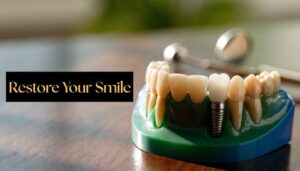
- Dental Implants: This is the gold standard for replacing a single tooth. A small titanium post acts as a new tooth root, creating a permanent, durable foundation for a crown that looks and feels completely natural. A dental implant is the only solution that preserves your jawbone and functions just like a real tooth.
- Dental Bridges: A bridge is another fantastic option for restoring your smile. It uses the healthy teeth on either side of the gap as anchors to hold a beautiful prosthetic tooth securely in place, effectively "bridging" the gap.
The best way to prevent future complications and maintain the alignment of your entire smile is to plan for a tooth replacement soon after your extraction. We can help you decide which solution is the perfect fit for your health, lifestyle, and goals.
Your Partner for Lifelong Oral Health in Northern Virginia
From the moment you need an extraction to the day you’re showing off your beautifully restored smile, Vienna Dental Implant & Family Dentistry is here for you. Our commitment to our patients in Vienna and the surrounding Northern Virginia communities is about building a lasting relationship, not just performing a single procedure.
Whether you’re here for routine family dentistry, looking to enhance your smile with cosmetic dentistry options like veneers, or require more complex restorative dentistry, we have all the expertise you need under one roof. We see our patients as part of our practice family, and we’re dedicated to making you feel comfortable, informed, and confident in your care every single step of the way. If you live in Vienna, VA, or nearby, we invite you to schedule a consultation and experience the difference our team can make.