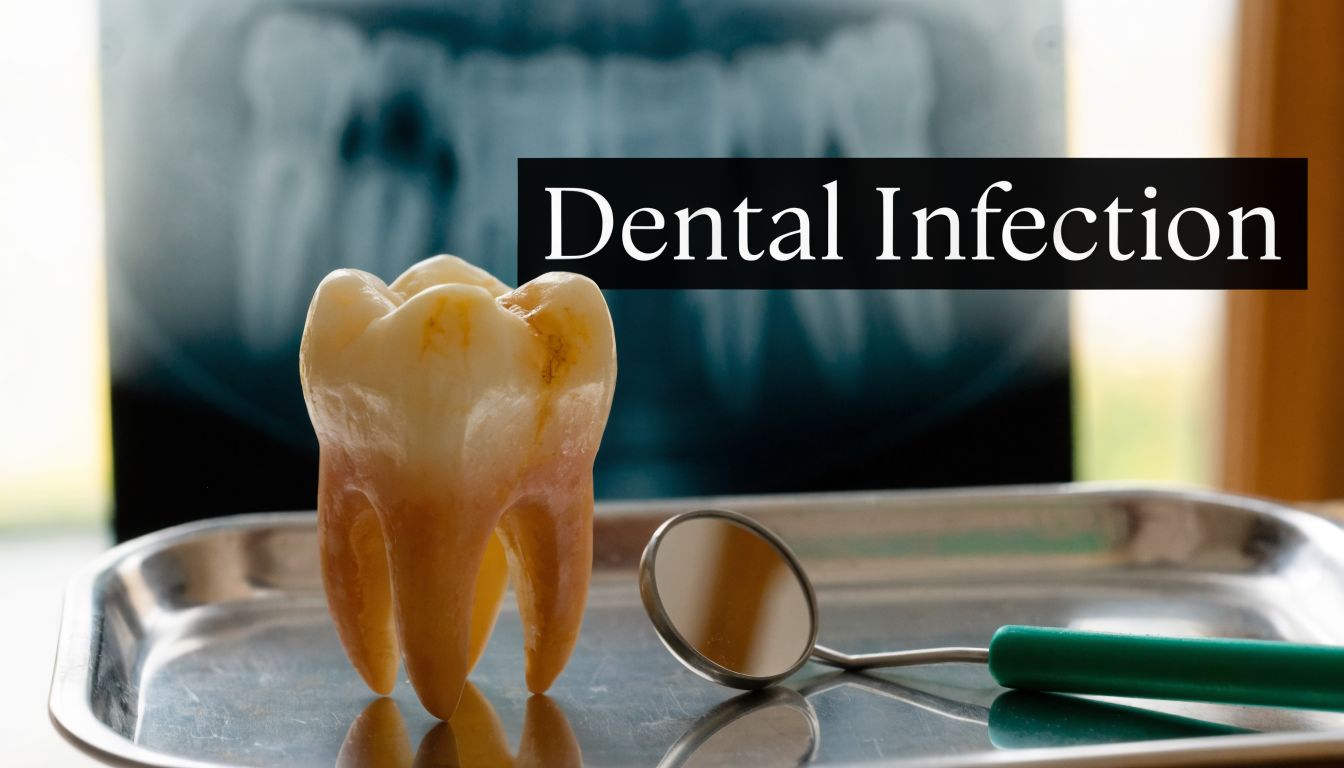
A sore tooth often starts in a very ordinary way. You sip coffee and one side of your mouth feels sharp for a second. You chew dinner and notice a twinge. Then a day or two later, the tooth feels “off” all the time, and you start wondering if you should wait it out or get help now.
That uncertainty is common. Approximately 13% of adults seek dental care for dental infections or toothaches within a 4-year period, which shows how often people deal with this kind of problem, and many cases begin with mild sensitivity or minor pain before getting worse, according to the NCBI overview of dental infections and toothache care.
If you're in Vienna, VA, and trying to decide whether your symptoms are minor, urgent, or an emergency, clear information helps. The good news is that dental infections are serious, but they're also treatable, especially when you catch them early.
A Guide for Our Vienna Neighbors on Dental Health
A lot of people read about the signs of dental infection after a rough night. The pain may have kept you awake. Or maybe the pain isn't severe yet, but your gum looks puffy and you're starting to worry. Parents often notice this in a child after a complaint about chewing on one side. Adults may notice it while driving to work, eating lunch, or brushing before bed.
That first reaction is usually the same. “Is this something I can watch for a day or two, or is this a bigger problem?”
In many cases, an infection doesn't announce itself all at once. It can start with a lingering cold sensitivity, a tender spot on the gum, or a tooth that feels sore when you bite down. Because those signs can seem small, people often hope they'll pass. Sometimes they don't.
Why people delay care
People usually don't ignore symptoms because they don't care. They delay because they're busy, nervous, unsure what the pain means, or worried they'll be told they need a major procedure. That's understandable. Dental pain can feel confusing because it doesn't always follow a clear pattern.
A helpful rule: If a tooth symptom is getting more noticeable instead of less noticeable, it deserves attention.
For families looking for steady, judgment-free care close to home, having one office that can handle both routine visits and urgent problems matters. That's part of why many local patients look for dental care for the whole family in Vienna, rather than treating dental problems as separate one-time events.
What this means for you right now
If you're searching because something feels wrong, stay calm and focus on the pattern:
- Pain that's becoming more constant: A tooth that keeps reminding you it's there usually needs an exam.
- Sensitivity that lingers: Brief sensitivity can happen. Lingering discomfort is more concerning.
- Swelling, pressure, or a bad taste: Those signs often point to infection rather than simple irritation.
You don't need to diagnose yourself perfectly. You just need to recognize when your mouth is telling you something isn't healing on its own.
What Is a Dental Infection and What Causes It
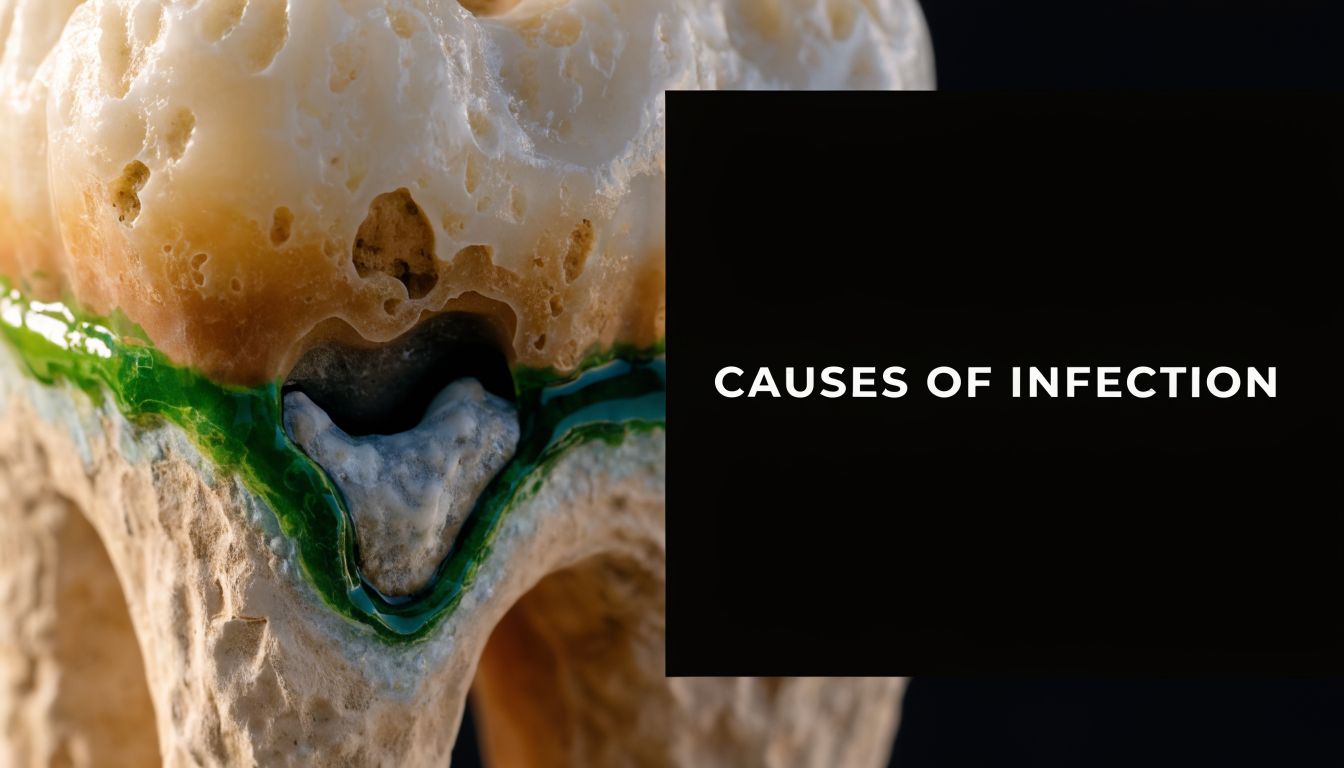
A dental infection happens when bacteria get inside an area they shouldn't be, usually deep inside a tooth or around the gums and root. This is a breach in a wall. Once bacteria pass that barrier, the body reacts with inflammation, pressure, and pain.
Some people hear the word “abscess” and picture something dramatic. In simple terms, an abscess is an infected pocket. It can form near the end of the tooth root or in gum tissue around the tooth.
How an infection starts
In most dental infections, bacteria from the mouth, including Porphyromonas gingivalis and Fusobacterium nucleatum, enter the tooth's pulp through a cavity or fracture. That invasion can lead to the severe, throbbing toothache that often radiates to the jaw, neck, or ear, as described by Penn Dental Medicine's explanation of tooth infection symptoms.
The pulp is the soft tissue inside the tooth. It contains nerves and blood vessels. Once bacteria reach that area, pressure builds. That's one reason infected teeth can hurt so intensely.
Common causes people can recognize
Most infections begin with one of a few familiar problems:
- Untreated decay: A cavity creates an opening for bacteria.
- A crack or fracture: Even a small break can give bacteria access to the inside of the tooth.
- Advanced gum disease: Infected gum tissue can spread bacteria deeper around the tooth.
- Older dental work that no longer seals well: Sometimes a tooth with past treatment develops a new pathway for bacteria.
A dental infection doesn't mean you've done something wrong. It means bacteria found an entry point.
When patients say, “It was just sensitive at first,” that's often exactly how these problems begin.
Why symptoms can spread beyond the tooth
A tooth is small, but the structures around it are connected. The root sits in bone and near soft tissues that can become inflamed when infection moves beyond the tooth itself. That's when pain may feel harder to pinpoint. Some people notice discomfort in the ear, jaw, or side of the face and don't realize the tooth is the true source.
This is also why “watching it” can backfire. A tooth infection usually doesn't resolve just because the pain changes. In fact, a sudden drop in pain can sometimes mean the pressure shifted rather than the problem disappeared.
Recognizing the Signs From Early Warning to Severe Emergency
The signs of dental infection make more sense when you sort them into two groups. The first group includes symptoms that mean you should call a dentist promptly. The second includes symptoms that mean you should stop waiting and get urgent help.
This distinction matters because not every toothache is an emergency, but some definitely are.
Early warning signs
Early signs often stay local to one tooth or one small area of the mouth. You may notice one or more of these:
- Lingering sensitivity to hot or cold
- Pain when biting or chewing
- A tooth that feels sore, tender, or “high”
- Throbbing discomfort that comes and goes
- Bad breath or a bad taste that doesn't seem normal
- A small swollen area on the gum near one tooth
These symptoms don't necessarily mean panic. They do mean schedule care soon. Infection tends to move in one direction if it isn't treated.
Signs the infection may be spreading
More serious symptoms suggest the problem is no longer staying contained near the tooth.
- Visible facial swelling
- Fever
- Difficulty swallowing
- Difficulty breathing
- Feeling weak, confused, or generally unwell
- Rapid worsening of pain and swelling
If those symptoms are present, the goal isn't comfort at home. The goal is immediate evaluation.
Practical rule: Tooth pain by itself may allow same-day dental evaluation. Tooth pain with facial swelling, fever, or trouble swallowing needs urgent action.
Dental infection symptoms early vs severe
| Symptom Category | What to Look For | Recommended Action |
|---|---|---|
| Early | Sensitivity to temperature, pain when chewing, tenderness around one tooth, unpleasant taste, mild localized gum swelling | Call for a prompt dental appointment |
| Severe | Facial swelling, fever, trouble swallowing, trouble breathing, feeling ill or disoriented | Seek emergency care immediately |
Why people confuse this with sinus or TMJ pain
One of the most confusing parts of diagnosis is that a dental infection can feel like something else. A 2023 study found 28% of patients with spreading dental infections were initially misdiagnosed as sinusitis, and one key clue is that dental infection usually causes tooth-specific sensitivity to temperature or biting pressure, which TMJ and sinus problems do not, according to this review of spreading tooth infection warning signs.
Here's a simple way to think about the differences:
- More likely dental infection: One tooth reacts sharply to hot, cold, or pressure.
- More likely sinus-related: Pressure feels broad, especially in the cheeks or upper face, without one clearly sensitive tooth.
- More likely TMJ-related: Jaw soreness is linked to opening, closing, clenching, or joint movement rather than one tooth.
If you're unsure, an exam and imaging can sort this out much faster than guessing at home. If your symptoms sound like an abscess or fast-moving infection, it's smart to read about a tooth abscess emergency and when to seek urgent care.
When You Need Emergency Dental Care in Northern Virginia
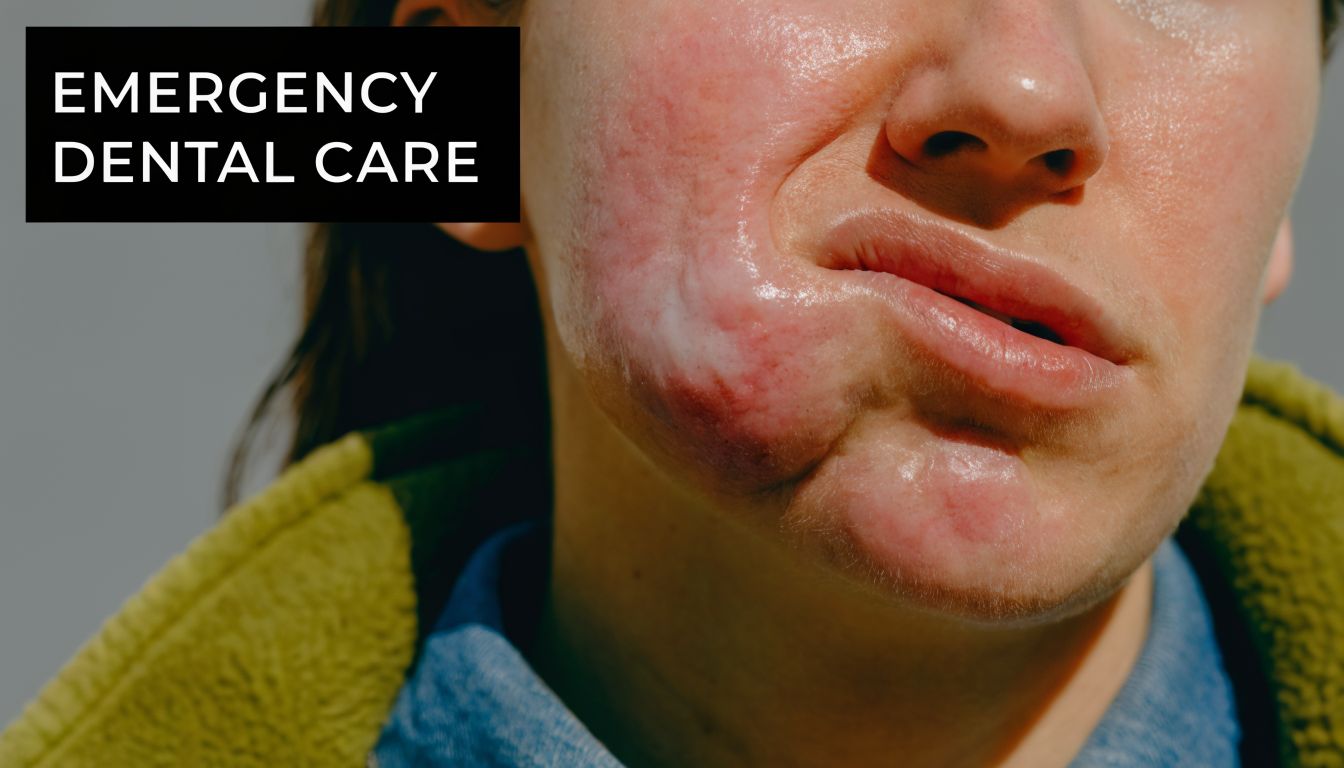
Some signs of dental infection should end the debate about whether to wait. Facial swelling, high fever, and difficulty breathing can signal dangerous spread, and in the U.S. about 1 in 2,600 people require hospitalization each year due to severe dental infections, as noted in this summary of spreading dental infection danger signs.
That doesn't mean every infection becomes life-threatening. It does mean severe symptoms deserve immediate respect.
Go to the emergency room if these are happening
If a dental infection is causing body-wide symptoms or threatening your airway, emergency medical care is the right move.
- Breathing feels harder: Any sign of airway involvement is urgent.
- Swallowing becomes painful or difficult: This can mean swelling is extending deeper.
- Swelling is spreading into the face or neck: Don't wait to see if it settles down overnight.
- You have a high fever or feel confused: Those are not routine dental symptoms.
Watch and wait is not the right strategy here
A lot of patients hesitate because they don't want to overreact. But swelling of the face, neck, or jaw is not the moment for home remedies. Ice packs and pain relievers may reduce discomfort for a short time, but they don't remove the source of infection.
If your face is swelling or you're struggling to swallow, don't try to “get through the night” without professional advice.
For urgent but manageable dental problems, same-day emergency dental care can often provide fast relief. For severe swelling, breathing issues, or major systemic symptoms, the safest plan is emergency evaluation first.
How We Diagnose and Treat Your Dental Infection
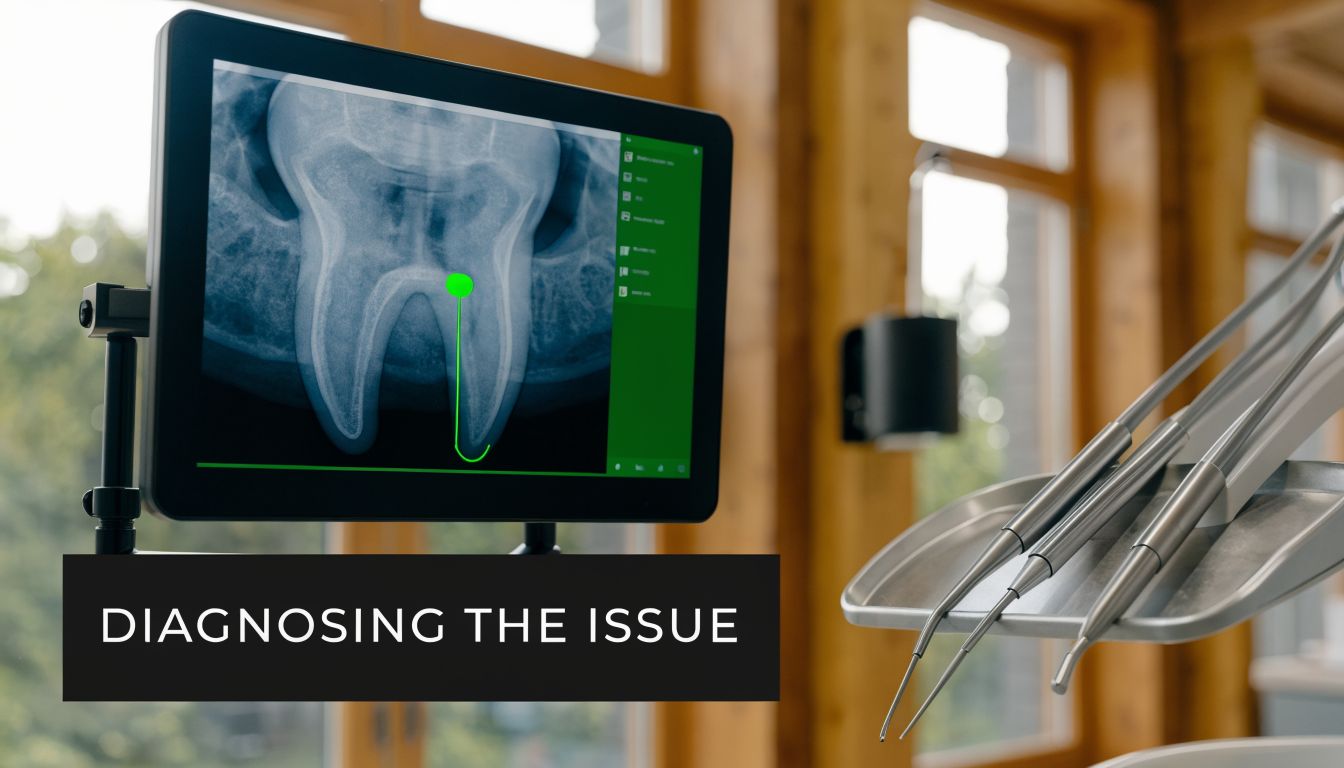
Many patients feel better once they know what the visit will involve. Diagnosing a dental infection is usually straightforward. The goal is to confirm where the infection is, how far it has gone, and whether the tooth can be saved.
What the exam often includes
A dentist will usually start with a few simple checks:
A conversation about your symptoms
When did the pain start, what makes it worse, and have you noticed swelling or drainage?A close look inside the mouth
The dentist checks the tooth, gum tissue, and nearby areas for swelling, cracks, decay, and signs of drainage.Gentle testing
Tapping on the tooth or checking how it responds to pressure helps narrow down whether the source is inside the tooth or in surrounding tissues.Dental X-rays
Imaging helps show hidden infection, changes near the root, and whether bone or surrounding structures are involved.
Treatment depends on the source
Not every infection gets the same treatment. The right choice depends on how damaged the tooth is and where the bacteria are located.
- Draining the infection: If pressure has built up, drainage can reduce pain and remove infected material.
- Antibiotics: These may help control bacterial spread, especially when swelling is present, but they usually aren't the complete solution by themselves.
- Root canal treatment: If the tooth can be saved, this removes the infected tissue inside the tooth and seals the space.
- Extraction: If the tooth is too damaged to restore safely, removal may be the healthiest choice.
For many nervous patients, the scariest part is the phrase “root canal.” In reality, the procedure is meant to remove infection and stop pain, not create more of it. If you're worried about that step, this explanation of why a root canal may be recommended can make the process easier to understand.
A good treatment plan does two things. It stops the infection now, and it protects your ability to chew comfortably later.
Restoring the tooth or replacing it
After the infection is controlled, the next step is restoring function. If the tooth stays in place, it may need a crown for strength. Some offices provide same-day CEREC crowns, which can simplify that process.
If the tooth can't be saved and needs to be removed, replacement matters too. Leaving a gap can affect chewing, bite balance, and appearance. Depending on your needs, options may include a bridge or a dental implant as part of a longer-term restorative plan.
That larger view matters. Treating the infection is urgent. Rebuilding the smile is how you get back to normal.
Your Partner for Healthy Smiles in Vienna VA
The biggest takeaway is simple. The earlier you respond to signs of dental infection, the easier treatment usually feels. Mild symptoms deserve attention. Severe symptoms deserve immediate action.
Many people in Vienna put off care because they feel embarrassed, anxious, or sure they'll be judged for waiting. You shouldn't have to carry that into the dental chair. Compassion matters just as much as clinical skill when you're in pain.
What supportive care should feel like
A good dental experience for an infection should include:
- Clear answers: You should understand what's happening and why a treatment is being recommended.
- Calm communication: Dental pain already creates stress. The visit shouldn't add more.
- Comfort options for anxious patients: Sedation dentistry can make treatment feel much more manageable.
- A long-term plan: Emergency relief is only part of the job. Preventing the next crisis matters too.
Local care that doesn't stop at the emergency
For patients who need urgent help, preventive care, restorations, cosmetic work, or tooth replacement after an extraction, Vienna Implant and Family Dentistry offers all of that under one roof in Vienna, VA. The office provides same-day emergency appointments, family-friendly care, sedation options for anxious patients, and an in-house Smile Savings Plan for patients who want a more affordable path to treatment.
If you're dealing with tooth pain, swelling, or any of the warning signs described above, don't wait and hope it fades. Contact Vienna Implant and Family Dentistry in Vienna, VA to request an appointment. If your symptoms include severe swelling, trouble swallowing, or trouble breathing, seek emergency care immediately.