A gap in your smile can affect everything from your confidence to your ability to enjoy your favorite foods. For many of our patients at Vienna Dental Implant & Family Dentistry, the top priority is finding a solution that restores their smile quickly and comfortably. A dental bridge is a trusted, effective way to do just that, offering a fast, non-surgical path back to a full smile.
At our practice here in Vienna, VA, we believe in empowering our patients with clear, honest information. Restorative dentistry isn't one-size-fits-all, and understanding the pros and cons of every option is key. While a dental bridge can be an excellent choice, it involves a long-term commitment that requires careful consideration of the teeth supporting it.

This guide will walk you through what you need to know about dental bridges. We'll explore the immediate benefits and, just as importantly, discuss the long-term factors to help you decide if this is the right solution for your oral health.
What is a Dental Bridge?
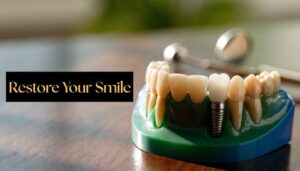
A dental bridge is a custom-made restoration that does exactly what its name suggests—it "bridges" the gap left by one or more missing teeth. It’s one of the cornerstones of restorative dentistry and is designed to look, feel, and function just like your natural teeth. A bridge is made of two main parts that work together to create a seamless result:
- Abutments: These are dental crowns placed on the natural teeth on either side of the gap. They act as strong anchors for the bridge.
- Pontic: This is the artificial tooth (or teeth) that fills the empty space. It’s fused to the abutment crowns, creating a single, solid restoration.
The entire appliance is cemented in place, giving you a fixed and stable solution that restores your ability to chew and speak with confidence. Our team at Vienna Dental Implant & Family Dentistry uses high-quality materials to ensure your bridge blends perfectly with your smile. You can learn more about the specific dental bridge services we offer right here in our Vienna office.
| Feature | Dental Bridge | Individual Tooth |
|---|---|---|
| Purpose | Replaces a missing tooth by anchoring to adjacent teeth. | Stands alone; no replacement function. |
| Structure | A prosthetic tooth fused between two crowns. | A single, independent tooth with its own root. |
| Procedure | Requires preparing (filing down) adjacent teeth. | Does not impact neighboring teeth. |
| Timeline | Typically completed in just 2-3 weeks. | No treatment timeline applicable. |
How Dental Bridges Restore Your Smile
A dental bridge is a time-tested solution that literally “bridges” the gap created by missing teeth. At Vienna Dental Implant & Family Dentistry, we design these restorations to seamlessly restore your smile's function and appearance. Think of the teeth on either side of the space as sturdy support pillars holding the new tooth in place.

This fixed appliance has two main parts: the abutment teeth (the natural teeth neighboring the gap) and the pontic (the custom-made false tooth that fills the empty space). The pontic is fused between two crowns, which are then permanently bonded to the abutment teeth to create a single, solid unit.
Different Types of Dental Bridges
Not all bridges are built the same. At our Vienna, VA office, we carefully select the right type based on the location of the missing tooth and the health of the surrounding teeth to ensure a perfect fit for your needs.
Here are the most common types we offer:
- Traditional Bridges: The most popular design, featuring a pontic held firmly in place by dental crowns on the two adjacent teeth. Crafted from strong, tooth-colored porcelain, they are durable enough for use anywhere in the mouth.
- Cantilever Bridges: A specialized solution used when there is an adjacent tooth on only one side of the gap. The pontic is supported by a single crown. We generally recommend these for lower-stress areas like the front of your mouth.
- Maryland Bridges: A more conservative approach that uses a metal or porcelain framework bonded to the back of the adjacent teeth. This design avoids placing full crowns, preserving more of your natural tooth structure.
At Vienna Dental Implant & Family Dentistry, we use advanced materials like high-grade porcelain to ensure your new bridge not only functions perfectly but also looks completely natural, matching the shade and contour of your existing teeth.
To get a better feel for the procedure, you can explore our detailed explanation of how dental bridges work and what you can expect during your treatment.
The Immediate Advantages of Choosing a Dental Bridge
When a tooth is lost, many families in Vienna and the surrounding Northern Virginia area want a fast, effective fix. This is where dental bridges truly shine. One of the biggest pros is their ability to restore your smile and chewing function with remarkable speed, often in just a few visits to our office.
Unlike dental implants, which can require months of healing, a bridge provides a complete, functional tooth replacement in a much shorter timeframe. This makes it an ideal choice if you have an important event coming up or simply want to regain your confidence without a long wait.
A Faster Path to a Restored Smile
The streamlined process for getting a dental bridge is a major plus. From your initial consultation to the final placement, the entire treatment can typically be completed in just two to three weeks. This efficiency means less time in the dental chair and a quicker return to your normal life.
Even better, a traditional dental bridge is a non-surgical procedure. For patients who are nervous about surgery or who may not be candidates for more invasive treatments like dental implants, this is a huge relief. The process focuses on skillfully preparing the adjacent teeth and taking precise impressions—no surgery required.
An Excellent Solution in Specific Situations
A dental bridge can also be an exceptionally practical choice if the teeth next to the gap already have large fillings or need crowns. In these cases, preparing the abutment teeth for the bridge accomplishes two goals at once: it provides support for the new tooth while also restoring the neighboring teeth with durable, protective crowns.
This alignment of treatments is a cornerstone of the comprehensive care we provide at Vienna Dental Implant & Family Dentistry. It allows us to address multiple dental issues with a single, efficient solution.
For many people, the reliability of a bridge is a deciding factor. It's a proven restorative option that delivers predictable, high-quality results without a lengthy or complex treatment journey.
The impressive success rate of dental bridges offers real peace of mind. Clinical studies show that tooth-supported bridges have survival rates of 93.8% at 5 years and 89.2% at 10 years. For our patients in Vienna, VA, this data underscores the bridge's role as a dependable and swift solution for restoring a complete smile. You can learn more about the high success rates of dental bridges and their impressive longevity.
Understanding the Long-Term Risks and Considerations
While the immediate benefits of a dental bridge are clear, our commitment at Vienna Dental Implant & Family Dentistry is to ensure you see the whole picture. An informed decision means weighing the long-term cons of dental bridges and understanding the potential drawbacks for your future oral health.

Perhaps the most significant consideration is the impact a bridge has on its neighboring teeth. To secure the bridge, we must permanently alter the healthy teeth on either side of the gap—what we call the abutment teeth. This is an irreversible step.
The Impact on Healthy Abutment Teeth
To anchor a bridge, the abutment teeth must be reshaped so that crowns can fit over them. This process involves removing healthy tooth enamel, which can leave these teeth more vulnerable over time.
Placing this extra responsibility on the abutment teeth also increases the daily stress they endure. They now support not just themselves but the pontic (the replacement tooth) as well. This added load can elevate the risk of future complications, such as decay at the margins or the need for a root canal. This is one of the most important disadvantages of dental bridges.
You can read more about how bridges compare to other tooth replacement options to better understand this trade-off.
Bone Health and Future Costs
Another key factor is what happens to the jawbone underneath the pontic. Because there is no tooth root to stimulate the bone, it can gradually begin to shrink or recede. This process, known as bone resorption, can change the appearance of your gum line over many years and is a major consideration for long-term oral health.
While a bridge is often more affordable upfront, the potential for future maintenance is an essential part of the financial picture. The need to replace the entire bridge if an abutment tooth fails can offset the initial savings.
Finally, proper hygiene is absolutely critical for the longevity of a bridge. It is more challenging to clean under the pontic, and if plaque accumulates, it can lead to decay in the abutment teeth or gum disease. This is why we provide detailed instructions to all our Vienna, VA patients—to ensure their restorations last as long as possible.
Dental Bridges vs Implants: Which is Right for You?
Deciding between a dental bridge and a dental implant is a common crossroads for our patients in Vienna, VA. Both are excellent restorative solutions, but they work in fundamentally different ways. The best choice is not about which one is "better" overall but which is perfectly suited to your health needs, lifestyle, and long-term goals.

At Vienna Dental Implant & Family Dentistry, we help you navigate this decision with clear, patient-focused guidance. Let's look at some real-world scenarios to see where each option shines.
When a Dental Bridge Might Be the Ideal Choice
A dental bridge can be the most practical solution in several situations. Its non-surgical nature and faster timeline make it a compelling option for many people.
Consider these scenarios:
- You Need a Fast Solution: If you have an important event just around the corner, a bridge is unmatched for speed. The entire process is typically completed in two to three weeks.
- The Neighboring Teeth Already Need Crowns: If the teeth on either side of the gap are already heavily filled or decayed, they likely need crowns anyway. A bridge elegantly solves both problems at once.
- You Prefer to Avoid Surgery: For patients with dental anxiety or medical conditions that make surgery a higher risk, a bridge offers a completely non-invasive path to a restored smile.
When a Dental Implant Is the Superior Long-Term Investment
A dental implant is considered the gold standard for tooth replacement because it mimics the natural structure of a tooth, from root to crown. It is often the superior long-term investment for your overall oral health.
An implant is almost always recommended when:
- Preserving Healthy Teeth Is a Priority: If the teeth next to the gap are perfectly healthy, a dental implant is the best choice. It stands on its own and doesn't require us to alter your natural tooth structure.
- You Want to Prevent Jawbone Loss: This is a crucial benefit. A dental implant is the only solution that stimulates the jawbone, preventing the bone loss that naturally occurs under a bridge. This preserves your facial structure and gum health for decades.
- You're Looking for a Lifetime Solution: With proper care, a dental implant can last a lifetime. While the initial investment is higher, it often proves more cost-effective over time by avoiding the replacement costs associated with bridges.
The core difference comes down to preservation versus alteration. An implant preserves your jawbone and adjacent teeth, while a bridge requires altering healthy teeth to function. This is a critical factor in long-term oral health.
To help you visualize these differences, we've put together a quick comparison of the pros and cons of dental implants vs bridges.
Dental Bridges vs. Dental Implants: Key Differences at a Glance
This table breaks down the most important factors to consider when choosing between a bridge and an implant at our Vienna office.
| Feature | Dental Bridge | Dental Implant |
|---|---|---|
| Impact on Adjacent Teeth | Requires permanent alteration of healthy teeth. | Does not impact neighboring teeth. |
| Jawbone Health | Does not stimulate bone, leading to potential loss. | Preserves and stimulates the jawbone. |
| Treatment Timeline | Completed in 2-3 weeks. | Can take 3-9 months to complete. |
| Procedure | Non-surgical. | Requires a minor surgical procedure. |
| Expected Lifespan | 5-15 years before potential replacement. | Can last a lifetime with proper care. |
Ultimately, the best path forward depends on your unique situation. A thorough consultation is the first step in making a confident decision.
How to Choose the Right Option for Your Smile
Making the final call on a tooth replacement comes down to a balance between your immediate needs and your long-term oral health goals. It’s a personal decision, and there’s no single "best" answer for everyone in Vienna.
The ideal solution must consider factors like the health of the teeth next to the gap, your timeline, your budget, and whether you’re comfortable with a surgical procedure. For some, the speed and non-invasive nature of a dental bridge make it the perfect fit. For others, the bone preservation and durability of a dental implant are the top priorities.
Your Personalized Consultation in Vienna, VA
The most important step is to have an open, honest conversation with us. Here at Vienna Dental Implant & Family Dentistry, we have built our practice on creating a patient-focused, judgment-free environment. We'll start by carefully assessing your oral health and listening to what you want to achieve.
Our team will walk you through every option—from bridges and implants to our other cosmetic dentistry services—explaining how each choice would impact your smile for years to come. We believe the best decisions happen when you feel completely informed and confident.
Your smile is a personal journey, and our role is to be your trusted guide. We’re here to help you find the solution that brings you health, confidence, and peace of mind.
Ready to explore your options? The expert team at Vienna Dental Implant & Family Dentistry is here to help our neighbors in Vienna, VA, and the surrounding Northern Virginia communities. Schedule your consultation with us today to take the first step toward a complete, healthy smile.
Your Questions About Dental Bridges, Answered
Deciding on a dental procedure always brings up questions. To help our Vienna, VA patients feel completely informed, our team at Vienna Dental Implant & Family Dentistry has put together clear answers to the questions we hear most often.
How Long Does a Dental Bridge Last?
A well-made, well-cared-for dental bridge is a fantastic long-term solution. With great oral hygiene and regular check-ups at our Vienna office, you can expect your bridge to last anywhere from 5 to 15 years, and often much longer.
The lifespan of your bridge depends on the health of the supporting teeth (the abutments) and the gums around them. The bridge is only as strong as its foundation, so diligent cleaning is the best way to protect your investment.
Is It Difficult to Clean Under a Dental Bridge?
Cleaning under a bridge requires a slightly different technique, but it’s not difficult once you get the hang of it. The main challenge is that the pontic rests on your gums, so you can't floss normally.
You’ll need special tools that quickly become second nature:
- Floss threaders: These loops help you guide floss under the bridge.
- Water flossers: Many of our patients love these for flushing out debris from hard-to-reach spots.
When you get your bridge, our team will personally show you the best techniques to keep everything clean and healthy.
Does Getting a Dental Bridge Hurt?
No, the procedure itself is not painful. Your comfort is our absolute priority, which is why we use local anesthesia to completely numb the area before we begin.
It’s normal to feel mild sensitivity for a few days afterward as everything settles down. This is temporary and usually managed easily with over-the-counter pain relievers.