If your gums bleed when you brush, feel tender when you floss, or look a little puffy in the mirror, it’s easy to hope a “natural fix” will solve everything. Many people in Vienna, VA want to take better care of their mouths at home, but they also want honest guidance about what helps and what doesn’t.
That’s the right instinct. Natural gum care can absolutely support healthier tissue, calmer inflammation, and better daily comfort. It works best when you use it the same way a dentist would recommend any tool. Consistently, correctly, and with realistic expectations.
As Dr. Chauhan, I also know there’s another layer many articles ignore. Some people aren’t avoiding gum care because they don’t care. They’re avoiding it because their mouth feels sensitive, flossing makes them anxious, or past dental experiences have made every sign of bleeding feel stressful. If that sounds familiar, you’re not behind. You just need a plan that feels manageable.
The Foundation of Healthy Gums Mastering Your Daily Oral Care
Gum health starts with mechanical plaque removal. That means brushing and flossing in a way that clears the gumline without irritating it. This matters more than people realize because nearly 42% of adults age 30 and older in the United States have periodontitis, an advanced form of gum disease and a major cause of tooth loss, according to the CDC’s gum disease fast facts.
That number should change how you think about your daily routine. Brushing isn’t just for a cleaner feeling. It’s part of preventing a serious condition.
How to brush without hurting your gums
The most common mistake isn’t skipping brushing. It’s brushing too hard.
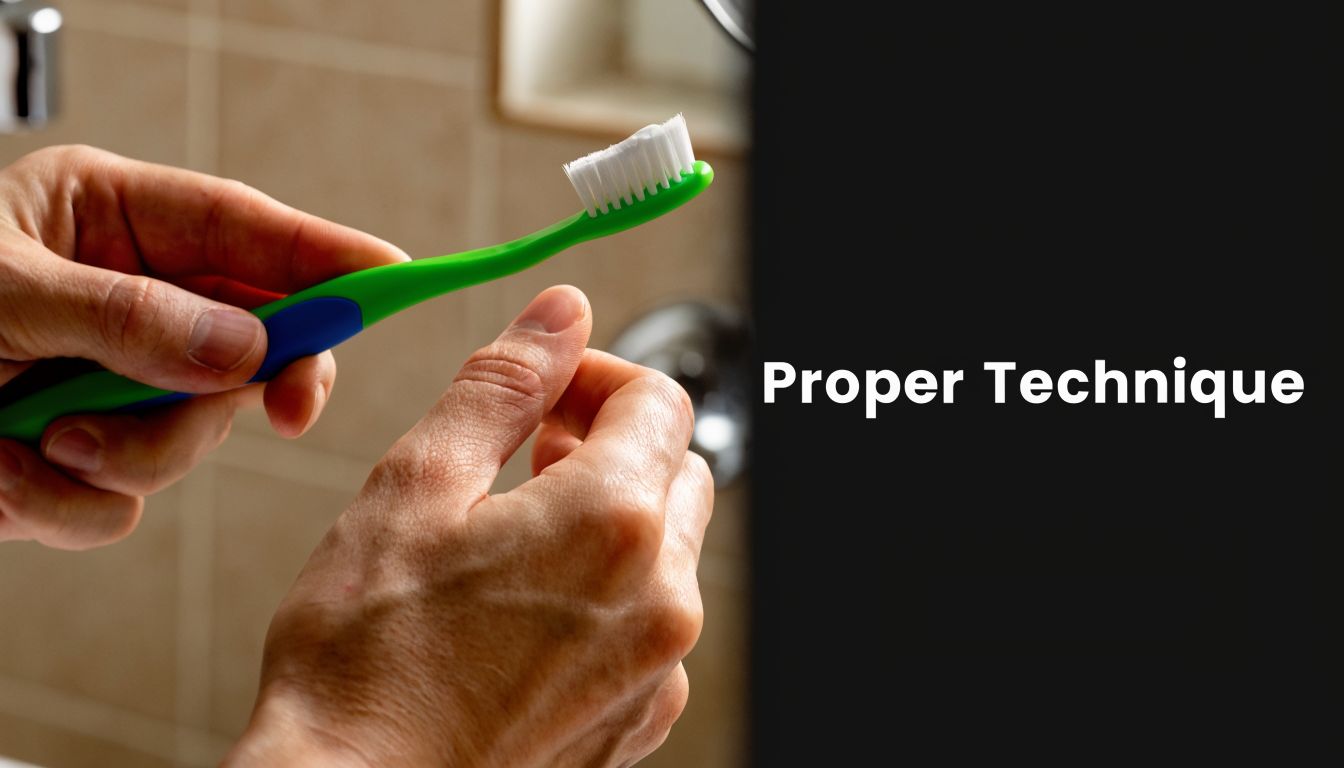
Use a soft-bristled toothbrush and gentle circular motions where the tooth meets the gum. Don’t scrub back and forth. Aggressive brushing can irritate already inflamed tissue and may contribute to recession over time.
A simple routine works well:
- Angle the bristles toward the gumline. That helps clean the area where plaque collects first.
- Use light pressure. If the bristles are flattening, you’re pressing too hard.
- Move tooth by tooth. Rushing usually means missing the back teeth and the inside surfaces.
- Stay consistent. Gentle brushing done every day beats occasional over-brushing.
Practical rule: If your gums feel “scraped” after brushing, the problem usually isn’t that you cleaned well. It’s that you cleaned too aggressively.
Flossing that actually reaches below the gumline
Many people snap floss straight down and pull it back out. That cleans very little.
Floss should slide between the teeth, then curve around one tooth in a C shape and move gently under the gumline. Then repeat on the neighboring tooth. That motion matters because plaque often sits where your toothbrush can’t reach.
A few helpful corrections:
- Go slowly: Speed leads to cutting the gum instead of cleaning it.
- Clean both sides: Each space between teeth has two tooth surfaces.
- Expect some bleeding at first: If your gums are inflamed, gentle daily flossing may make bleeding improve rather than worsen over time.
- Don’t stop because of tenderness: Stopping often allows more plaque buildup.
For patients who want to strengthen the basics, preventive dentistry habits that support a healthy smile usually start with better technique, not more products.
What works best at home
Here’s the trade-off. Natural rinses, oils, and supplements can support gum comfort, but none of them outperform poor brushing and poor flossing. If plaque stays on the teeth every day, inflammation usually stays too.
If you want to know how to improve gum health naturally, start here first. A calm, precise routine is still the strongest home-based habit you have.
Your Diet as a Defense Foods and Nutrients for Strong Gums
What you eat changes the environment in your mouth. That’s one reason diet matters so much in gum care.
One useful benchmark from periodontal guidance is this. An oral pH of 7.5 or higher supports gum health, while a more acidic environment can contribute to gum breakdown and tooth decay, as explained in this review of holistic tips to improve gum health. In plain language, your gums do better when your mouth isn’t constantly pushed toward acidity.

Foods that support a healthier oral environment
You don’t need a complicated diet plan. You need repeatable choices that lower the strain on your gums.
A good place to focus is alkaline-forming whole foods, especially:
- Leafy greens: These fit well into lunches, smoothies, and dinners without much effort.
- Cruciferous vegetables: Broccoli and similar vegetables support a more balanced oral environment.
- Water-rich produce: Cucumbers and similar foods can feel soothing and refreshing.
- Plain water: Staying hydrated helps wash away food debris and supports saliva, which protects your mouth.
A gum-friendly diet is less about finding one miracle food and more about making your mouth a less hospitable place for harmful bacteria all day long.
Vitamin C and tissue support
Gums are living tissue. They need nutritional support, not just surface cleaning.
Periodontal guidance in the verified material notes that higher vitamin C intake is associated with lower gum disease risk because vitamin C supports immune function and collagen in the gums. That makes common foods like citrus fruits, berries, and vegetables worth including regularly if they agree with your mouth and stomach.
This doesn’t mean vitamin C can remove plaque or reverse advanced disease. It means better nutrition helps your body maintain and repair tissue more effectively.
Probiotics and the bacterial balance
Hearing “bacteria” can lead to the belief that all of it is bad. That’s not how the mouth works.
Your mouth contains an ecosystem. The goal isn’t sterilization. The goal is balance. The verified guidance for this topic notes that probiotics can support beneficial oral microbes, which may help protect gum tissue from more harmful bacteria.
A practical way to think about diet is to ask whether your daily pattern helps your gums or keeps challenging them.
| Daily choice | Likely effect on gums |
|---|---|
| More leafy greens and vegetables | Supports a healthier oral pH environment |
| Better hydration | Helps clear debris and supports saliva |
| More vitamin C rich foods | Supports immune response and collagen health |
| More probiotic foods | Helps support microbial balance |
If you’re also trying to protect enamel while improving your routine, natural strategies that may help prevent tooth decay fit well with the same food-first approach.
Safe and Effective At-Home Remedies to Soothe Your Gums
Home remedies can be useful, but they need the right job description. They’re adjuncts, not replacements for brushing, flossing, and professional care when needed.
That matters because some remedies effectively help reduce irritation or plaque levels, while others are overpromised online. The difference is usually whether the method supports plaque control or only makes your mouth feel better for a short time.
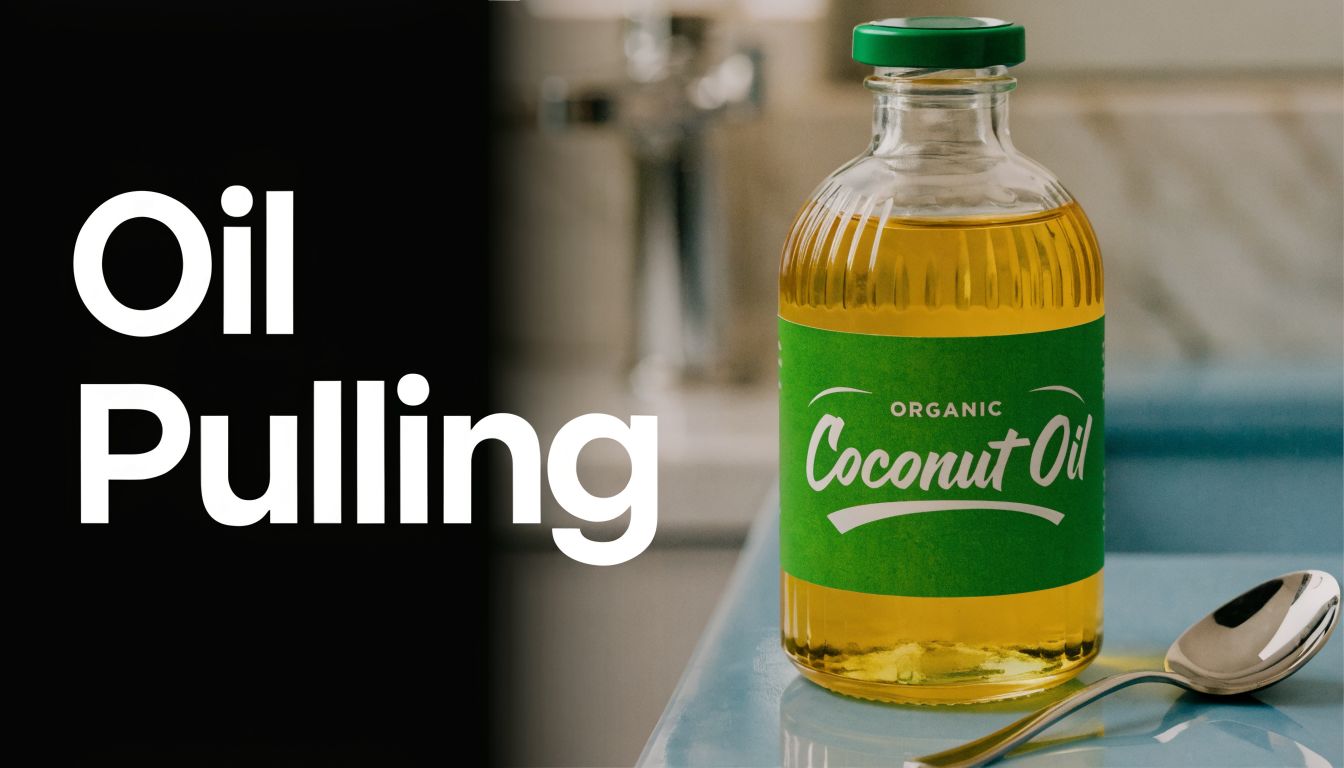
How to do oil pulling correctly
Among natural remedies, oil pulling gets the most attention. Done properly, it can play a supportive role.
Verified guidance states that for effective oil pulling, you should use 1 tablespoon of food-grade coconut oil and swish it for 15 to 20 minutes on an empty stomach, and that a systematic review found significant reductions in plaque and gingivitis scores, with coconut oil’s benefits linked to lauric acid’s antimicrobial properties in this oil pulling guide.
Here’s the correct method:
- Put 1 tablespoon of food-grade coconut oil in your mouth.
- Swish gently, not forcefully.
- Continue for 15 to 20 minutes.
- Spit it into the trash, not the sink.
- Rinse with warm water.
- Brush and floss as usual.
Common mistakes matter here. Swishing for too short a time reduces the benefit. Using low-quality oil isn’t wise. Above all, relying on oil pulling alone leaves plaque on the teeth.
Oil pulling can help. It cannot take the place of toothbrush bristles and floss physically removing buildup.
Other remedies that can calm irritated gums
A few simple options can be reasonable additions to your routine.
- Saltwater rinses: The verified material supports mixing 1 teaspoon of salt in warm water and using it twice daily for temporary relief. This can soothe irritated tissue, but it won’t remove plaque or tartar.
- Turmeric paste: A paste made with turmeric, salt, and mustard oil is described in the verified material as a supportive anti-inflammatory option for gingivitis and periodontitis symptoms.
- Aloe vera, green tea, and chamomile: These may feel soothing because of their antioxidant or calming properties, but they don’t replace mechanical cleaning.
What these remedies do not do
Regarding remedies, practical honesty matters. If a remedy reduces swelling, freshens your mouth, or makes brushing feel easier, that’s useful. But relief isn’t the same thing as resolving the cause.
The best home remedy is the one that helps you stay consistent with the basics. If a saltwater rinse makes flossing more comfortable, great. If oil pulling helps you feel more engaged with your routine, also fine. Just keep the expectation realistic.
Lifestyle Stress and Gum Health The Overlooked Connection
Gum disease isn’t only about what’s on your teeth. It’s also affected by what your body is dealing with every day.
Stress can make oral care harder in two ways. First, it can weaken your immune response and make inflamed gums more reactive. Second, stress often changes behavior. People clench, skip routines, avoid flossing when the gums feel sore, or put off appointments because the whole topic feels loaded.

The anxiety cycle that affects gum health
This connection is often missed in articles about how to improve gum health naturally. Some people know exactly what they should do, but anxiety gets in the way of doing it consistently.
Verified guidance for this topic notes that up to 40% of adults experience some form of dental phobia, and that this often leads to neglected care. The same source explains that stress weakens immunity and promotes infections, while even simple deep breathing can improve circulation to the gums, as described in this discussion of home remedies and dental anxiety.
That matters at home too. If swishing for a long time feels unpleasant, if flossing makes you brace yourself, or if bleeding triggers panic, the “perfect routine” may not be the right starting point.
A more realistic way to build the habit
Try reducing friction instead of forcing intensity.
- Shorten the first step: Start with a brief rinse or a few carefully flossed contacts instead of demanding a full perfect routine.
- Add breathing before oral care: Slow breathing can lower tension before you put anything in your mouth.
- Choose gentle textures: Soft-bristled brushes and calmer motions help sensitive mouths feel safer.
- Keep the routine predictable: Same place, same time, same order.
If anxiety has made oral care inconsistent, the answer usually isn't more pressure. It's a routine that feels safe enough to repeat.
Why this matters clinically
When patients feel ashamed of their gums, they often delay care longer. That delay can turn a manageable problem into a more involved one.
A calm home routine helps. So does hearing this clearly. Bleeding gums are a health signal, not a personal failure. The goal is to respond early, without judgment and without waiting for things to get worse.
Recognizing the Limits When to See a Dentist in Vienna VA
Natural care has a real place in gum health. It can reduce bacteria, calm tissue, and support better habits. But there’s a line where home care stops being enough.
Verified guidance for this topic states that natural remedies can’t make significantly receded gums grow back or remove tartar, and that this limitation is one reason professional treatment matters before disease progresses. The same material notes that severe periodontitis affects 8% of adults in the referenced source, discussed in this review of the limits of gum remedies.
What home care can and cannot do
Here’s the practical distinction.
| Home care can help with | Home care cannot do |
|---|---|
| Reducing surface bacteria | Removing hardened tartar |
| Soothing mild irritation | Reversing significant gum recession |
| Supporting healthier habits | Treating deeper structural damage by itself |
| Improving daily comfort | Replacing periodontal evaluation |
That’s why a DIY-only mindset can backfire. If your gums are inflamed because plaque has hardened into tartar below the gumline, rinses and oils won’t lift it off the tooth. If your gums have pulled away significantly, nutrition and home remedies may support tissue health, but they won’t rebuild what’s been lost.
Signs you shouldn’t ignore
Please don’t wait if you notice any of these:
- Bleeding that keeps happening: Especially if it continues even after you improve your technique.
- Swollen or tender gums: Persistent irritation usually means the tissue needs evaluation.
- Pus between the teeth or near the gums: That can signal infection.
- Loose teeth or shifting bite: This needs prompt attention.
- Gum recession that seems to be worsening: It’s better to assess the cause early.
For a clearer symptom checklist, signs of gum disease that deserve a dental evaluation can help you decide when to act.
Why earlier care is easier
The biggest advantage of seeing a dentist early isn’t just avoiding future treatment. It’s getting a more precise answer. Some bleeding comes from reversible irritation. Other cases involve pocketing, tartar, recession, or bite-related trauma. Those problems don’t all need the same solution.
Natural care works best as part of a complete plan, not as a substitute for diagnosis.
Your Partner in Gum Health at Vienna Implant and Family Dentistry
When someone comes in worried about their gums, the first step is usually simpler than they expect. We listen to what’s been happening, look carefully at the gum tissue, check where inflammation is present, and talk through what home care can continue helping with versus what needs treatment in the office.
For anxious patients, that conversation matters as much as the exam. People often tell me they delayed scheduling because they were embarrassed by bleeding, bad breath, or the amount of time since their last cleaning. A judgment-free visit changes that quickly. Once you understand what’s going on, the problem usually feels more manageable.
What care can look like
Some patients need a preventive cleaning and better home technique. Some need restorative care because gum problems have affected teeth that are already weakened. Others are dealing with missing teeth or advanced breakdown and want to understand longer-term options such as crowns, bridges, or implants.
At Vienna Implant and Family Dentistry, patients in Vienna, VA can access preventive care, restorative treatment, same-day CEREC crowns, implant planning, sedation dentistry, and an in-house Smile Savings Plan in one practice. That combination is useful when gum health isn’t an isolated issue and needs to be considered alongside comfort, function, and affordability.
The best dental visit for an anxious patient is often the one that feels understandable from the first few minutes.
A steady next step
If your gums are mildly irritated, a home plan may be enough to improve things. If they’re bleeding often, receding, or affecting your confidence when you eat or smile, an exam gives you clarity.
Dr. Vikram Chauhan and the team focus on practical care that meets you where you are. No lectures. No pressure to pretend it hasn’t been bothering you. Just a clear explanation of what’s happening and what would help next.
If you live in Vienna, VA or nearby Northern Virginia, schedule a consultation and get a plan that supports both healthier gums and a more comfortable dental experience.
Frequently Asked Questions About Natural Gum Health
Can receded gums grow back naturally
No. Natural remedies may help reduce irritation and support tissue health, but they can’t make significantly receded gums grow back. Recession needs a professional evaluation to determine the cause and the right treatment.
Is oil pulling enough to treat gum disease
No. Oil pulling can support plaque and gingivitis control when done correctly, but it does not replace brushing and flossing. It’s an add-on, not the foundation.
Are saltwater rinses good for sore gums
Yes, they can be helpful for temporary soothing. They may reduce irritation and make your mouth feel calmer, but they won’t remove plaque or tartar.
If my gums bleed, should I stop flossing
Usually, no. Gentle flossing is often part of helping inflamed gums improve. If bleeding continues or gets worse even after careful daily cleaning, you should schedule an exam.
What’s the best natural way to improve gum health
The strongest natural approach is a combination of gentle brushing, proper flossing, a supportive diet, hydration, and realistic use of remedies like saltwater rinses or oil pulling. No single product does the whole job.
How often should I have my gums checked professionally
The verified guidance for this topic supports professional cleanings every 6 months as part of preventing gum problems from getting worse. If you’ve had gum issues before, your dentist may recommend closer monitoring based on your needs.
If you’re in Vienna, VA or surrounding Northern Virginia and want help with bleeding gums, recession, sensitivity, or anxiety around dental care, schedule a visit with Dr. Chauhan. A clear exam and a practical plan can make home care easier and help protect your smile long term.