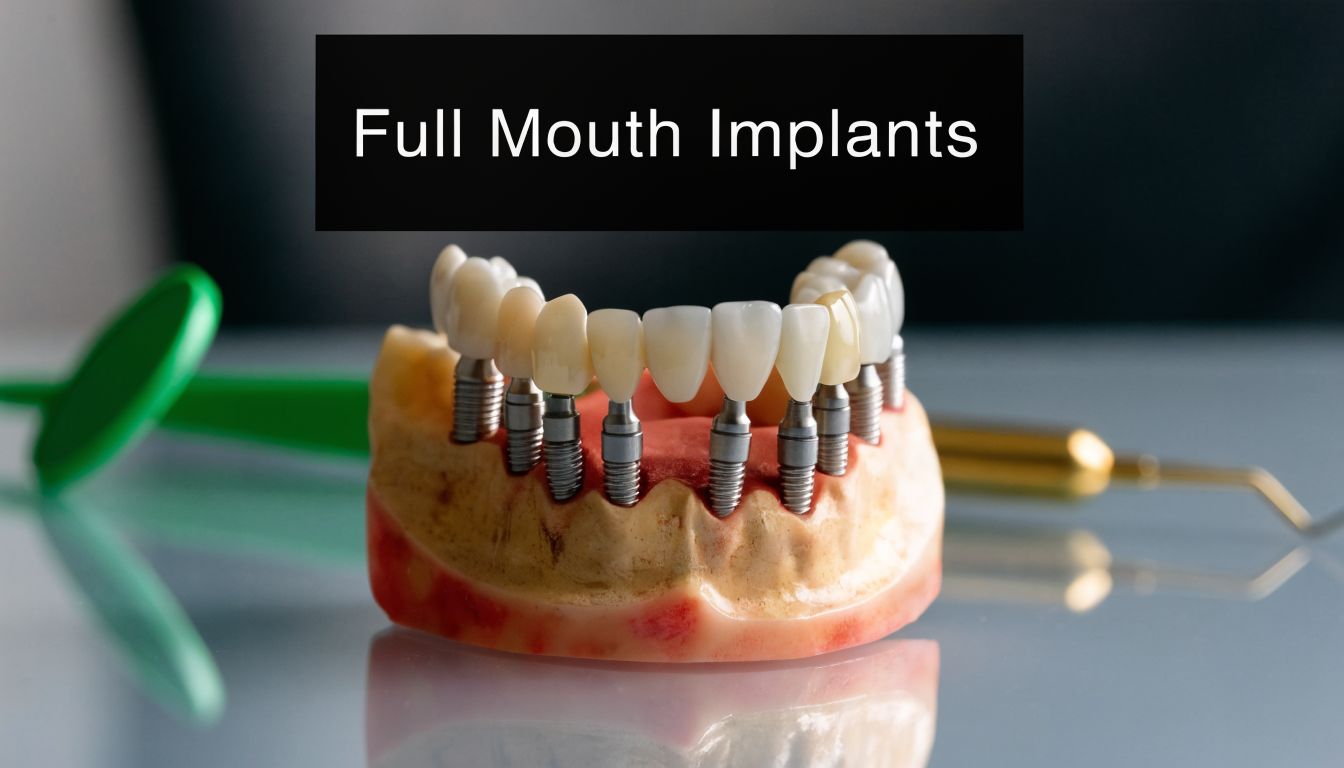
If you're reading this, you're probably trying to answer a very practical question. You want teeth that feel secure again, but you don't know whether a full-mouth implant solution means four implants, six implants, or something much more involved.
That uncertainty is common. Many people in Vienna, VA put off treatment because the options sound technical, the pricing feels hard to predict, and the thought of surgery brings up real anxiety. Some are tired of loose dentures. Others still have a few failing teeth and want to know what a long-term solution looks like.
The good news is that how many implants for full mouth isn't a mystery once you break it down. The number depends on the kind of restoration you want, the strength of your bone, and how much support your upper and lower jaws need.
A New Smile and Renewed Confidence with Dental Implants in Vienna
A lot of people reach this point personally.
They stop ordering certain foods. They smile with their lips closed in family photos. They speak carefully so a denture won't shift. Over time, the problem isn't only chewing. It's confidence, comfort, and the feeling that your mouth is always on your mind.
That can wear you down.
For some patients in Northern Virginia, the question starts after years of removable dentures. For others, it begins when several teeth are breaking down at once and patchwork treatment no longer makes sense. You may be wondering whether full-mouth implants are realistic for you, or whether you'll be told you need far more treatment than expected.
New teeth aren't only about appearance. They can change how you eat, speak, and move through daily life.
Full-mouth implant treatment gives many patients a more stable option than traditional removable teeth. Instead of replacing every tooth with its own implant, a dentist can often use a smaller number of well-planned implants to support a complete arch of teeth. That surprises many people the first time they hear it.
The emotional shift matters just as much as the clinical one. When patients understand their options, fear usually drops. The process starts to feel less like an unknown and more like a series of decisions made for a clear reason.
Why this question matters so much
People usually aren't asking for a number out of curiosity. They're trying to understand four things at once:
- How serious is the treatment: Will this be a manageable procedure or a major reconstruction?
- How stable will the teeth feel: Will they function more like natural teeth or more like a denture?
- How long will treatment take: Is immediate function possible, or will there be a longer healing period?
- How will cost change: More implants usually mean a more extensive plan.
Those are reasonable concerns. A thoughtful full-mouth plan should answer them clearly, in plain language, and without pressure.
Understanding the Foundation of Modern Restorative Dentistry
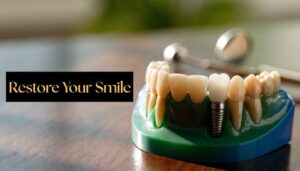
A dental implant is easiest to understand as an artificial tooth root. It's typically made from titanium, placed in the jawbone, and used to hold a replacement tooth or a full set of replacement teeth in place.
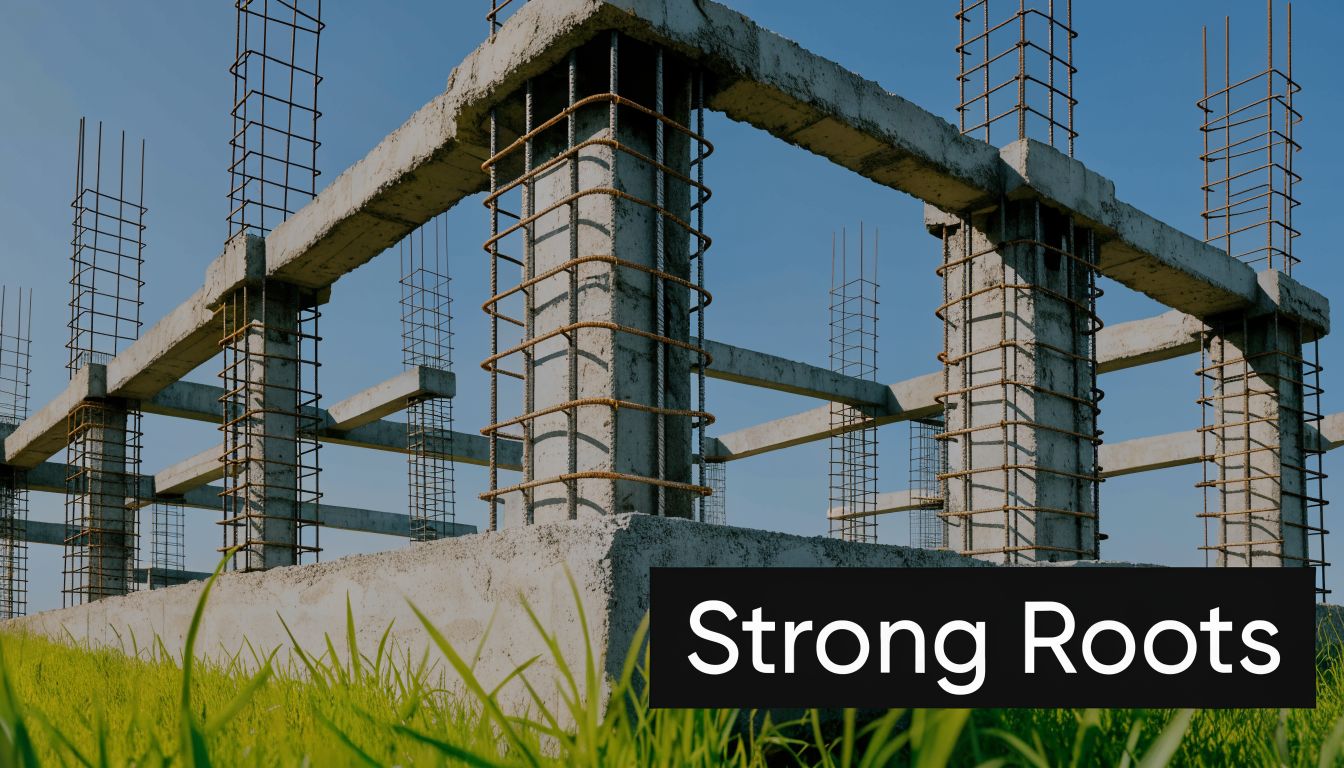
If you think of a house, the visible part is only half the story. The part you see above ground matters, but the foundation is what makes the structure stable. Implants work the same way. The visible teeth are important, but the support underneath is what keeps them secure.
The three main parts
Most implant restorations include these basic components:
- Implant post: This is the part placed in the bone. It acts like the root.
- Abutment: This is the connector piece that joins the implant to the visible tooth or bridge.
- Crown or prosthesis: This is the part you see when you smile. For full-mouth treatment, this may be a full arch bridge rather than a single crown.
That design is one reason implants feel so different from traditional dentures. Dentures sit on top of the gums. Implants anchor the restoration from below.
Why implants changed full-mouth treatment
Modern full-arch treatment often doesn't require one implant for every missing tooth. The standard minimum number of dental implants required is four per arch, a protocol popularized by All-on-4. That approach reduced the need for older methods that often used 10 to 14 implants per arch. The same source notes that over 40 million Americans are edentulous, implant success rates exceed 98%, and projections suggest that by 2026, up to 23% of adults with missing teeth will have implants according to implant dentistry statistics summarized here.
That shift matters because it gave more patients access to fixed teeth with fewer implants than many expected.
How implants compare with older options
Dentures and bridges still have a place in restorative dentistry. They can be useful depending on health, goals, and budget. But implants offer benefits that many patients value highly:
- Stability: Fixed implant bridges don't move the way a loose denture can.
- Function: Many patients find chewing and speaking feel more natural.
- Planning flexibility: Implant treatment can be part of a broader restorative, cosmetic dentistry, or family dentistry plan.
- Long-term support: The restoration is anchored rather than resting on the gums.
Practical rule: The number of implants doesn't match the number of teeth. A few implants can support many teeth when they're placed in the right positions.
That's the key idea behind full-mouth treatment. The central question isn't "How many teeth are missing?" It's "How many implants are needed to support your final teeth safely and predictably?"
Full Mouth Solutions How Many Implants Will You Need
Full-mouth restoration usually falls into a few main categories, a fact that often comes as a surprise. The number of implants depends on whether you want a fixed bridge that stays in place, a removable overdenture that snaps on and off, or a more extensive plan using many individual implants.
All-on-4 for efficient fixed support
All-on-4 uses 4 implants per jaw to support a full arch of teeth. The back implants are angled, sometimes up to 45 degrees, so they can engage denser bone. According to this overview of All-on-4 treatment, that design has shown 95% to 98% success rates over 10 years, can reduce the need for bone grafting by up to 80%, and can allow immediate Teeth-in-a-Day protocols.
For many patients, this is the answer they're hoping to hear. It offers a fixed set of teeth with fewer implants than older full-mouth approaches required.
All-on-4 often makes sense when a patient wants:
- A non-removable solution: The teeth stay in place and are cleaned differently from a denture.
- An efficient approach: Fewer implants can mean a less extensive surgery.
- A path around grafting in some cases: Angled implant placement can help use available bone more effectively.
- Faster function: Some patients qualify for a temporary fixed set of teeth soon after surgery.
It isn't automatically the right choice for everyone. If the upper jaw has softer bone or if a patient has a stronger bite, more support may be the safer recommendation.
All-on-6 for added support
All-on-6 uses 6 implants per jaw. This option is often chosen when the goal is extra stability, especially in the upper jaw where bone can be softer.
Instead of relying on four support points, the bridge is distributed across six. That can improve how force travels through the restoration and lower the load on each implant. Patients who grind, clench, or need more support because of their anatomy may benefit from this added foundation.
Implant-retained overdentures
This category often causes confusion because it can involve fewer implants than a fixed bridge.
An implant-retained overdenture is usually removable by the patient, but it snaps onto implants for better retention than a traditional denture. The lower jaw may sometimes use 2 to 4 implants for a denture, especially because lower bone is often denser.
This option may appeal to patients who want:
- More security than a conventional denture
- An easier cleaning routine
- A lower-complexity treatment path
- A solution that improves confidence without committing to a fixed bridge
The tradeoff is that it still functions like a removable appliance, even though it feels more secure than a denture without implants.
Individual implants across a full arch
At the other end of the spectrum is a plan that uses many implants across the arch to replace teeth more individually. This is the most extensive approach. It can be appropriate in select cases, but it involves more surgery, more components, and typically a more complex treatment plan.
Many patients don't need this level of reconstruction to get a beautiful, stable result.
If you're trying to compare options, start with one basic distinction. Do you want teeth that stay in place, or are you comfortable with teeth that remove for cleaning?
That answer narrows the field quickly.
Full-Mouth Implant Options at a Glance
| Implant Solution | Implants Per Jaw | Prosthesis Type | Best For |
|---|---|---|---|
| All-on-4 | 4 | Fixed full-arch bridge | Patients who want an efficient fixed solution with fewer implants |
| All-on-6 | 6 | Fixed full-arch bridge | Patients who need added support, often in the upper jaw |
| Implant-retained overdenture | 2 to 4 in some cases for a denture | Removable snap-on denture | Patients seeking more stability than traditional dentures |
| Individual implant approach | Varies, often many implants | Multiple implant-supported teeth or bridges | Patients needing a more extensive, highly customized reconstruction |
Why the upper and lower arches may differ
A common misunderstanding is that both jaws always need the same number of implants. They don't.
The lower jaw often has denser bone. The upper jaw is frequently softer and may need more support. That means a person might be a candidate for one configuration on the bottom and a different one on the top.
This is one reason online answers can feel contradictory. Two people can both be told they need full-mouth implants and receive different recommendations, with both plans being correct for their anatomy.
Fixed teeth versus removable teeth
The number of implants also changes with the kind of final teeth you want.
A fixed bridge usually needs more strategic support because it doesn't come out. A removable overdenture may work with fewer implants because the prosthesis and the way it functions are different. Neither option is automatically better for every person. The best one is the option that matches your goals, your health, and the kind of daily experience you want.
If you'd like a closer look at one of the most common fixed options, this page on All-on-4 dental implants gives more context on how that approach works.
The short answer most patients need
If you want the simplest practical answer to how many implants for full mouth, it usually looks like this:
- Four per arch is the common minimum for a fixed full-arch solution.
- Six per arch may be recommended for added support, especially in the upper jaw.
- Fewer implants may support a removable denture in certain cases.
- More extensive plans exist, but they aren't the starting point for most patients.
The exact number becomes clear only after imaging, bite analysis, and a discussion of whether fixed or removable teeth fit your life better.
Personalized Plans The Factors That Determine Your Implant Number
The final implant count isn't chosen from a menu. It's based on what your mouth can support safely and what kind of result you're trying to achieve.

One of the biggest factors is bone quality. According to this discussion of implant numbers and bone conditions, the upper jaw often requires 6 to 8 implants due to softer bone, while the denser lower jaw may need only 2 to 4 for a denture. The same source notes that All-on-4 success can drop from 98% to 85% in poor upper jaw bone, which helps explain why recommending more implants can reduce failure risk by 15% to 20% in some situations.
Bone quality changes the answer
Here, many treatment plans separate.
If the available bone is strong and well-shaped, a dentist may be able to support a fixed bridge with fewer implants. If the upper jaw is soft or thin, adding implants can create a more reliable base. The recommendation isn't about doing more work for the sake of it. It's about avoiding overload and building support where the bone needs it.
Sometimes patients also need grafting before or during treatment. If you've heard that term and aren't sure what it means, this overview of bone grafting for dental implants can help clarify when it comes into the conversation.
Your bite matters too
Not everyone uses their teeth the same way.
A patient with a strong bite, clenching habits, or heavier chewing forces may need a broader support system than someone with a lighter bite. The restoration has to work under your real daily habits, not only in an ideal model.
That often affects upper full-arch planning the most. Softer bone plus stronger bite forces can make a six-implant design more attractive than a four-implant one.
The kind of teeth you want changes the plan
A fixed bridge and a removable overdenture don't place the same demands on the implants.
Here are the questions that usually shape the recommendation:
- Do you want a fixed smile: If yes, the support design is usually more demanding.
- Is easy removal important to you: Some patients prefer the cleaning convenience of an overdenture.
- How natural do you want the feel to be: This often pushes patients toward a fixed option.
- What is your comfort level with surgery and cost: A simpler design may suit some patients better.
More implants don't automatically mean better treatment. The right number is the one your anatomy and final restoration require.
Health, healing, and personal priorities
A dentist also looks at your medical history, healing potential, and timeline. Some patients prioritize speed. Others prioritize minimizing surgery. Some want the strongest fixed option possible and are willing to accept a more involved plan.
Those preferences matter. So does budget.
A good consultation should connect the clinical findings with the life you live. If a treatment plan makes sense on a scan but doesn't fit your comfort level or goals, it isn't complete yet.
Your Treatment Journey at Vienna Implant and Family Dentistry
The treatment process usually feels less intimidating once you can picture it in real life. Most patients don't need more jargon. They need a clear sense of what happens first, what happens next, and where comfort is built into the process.

A full-mouth consultation typically starts with a conversation, not a procedure. You explain what's bothering you, what you've tried before, and what you're hoping life will look like after treatment. Some people want fixed teeth because they're tired of dentures moving. Others want to know whether they can avoid wearing a removable appliance at all.
Planning with imaging and bite analysis
The next step is detailed planning. A full-mouth implant case depends on seeing the bone clearly, understanding where support exists, and deciding how many implants the upper and lower jaws can handle.
For patients with softer upper bone, All-on-6 with 6 implants per jaw is often preferred, offering 25% to 40% greater stability and reducing stress on each implant by 35%, as described in this overview of All-on-6 planning with CBCT bone mapping. That same source notes compatibility with sedation dentistry and immediate function, which is especially relevant for anxious patients.
This is also where tools like a CBCT scan matter. They help map bone shape, sinus position, and implant placement before surgery rather than guessing during it.
Comfort for anxious patients
Dental anxiety is real, and full-mouth treatment can sound overwhelming before you understand it.
At this stage, many patients want to talk through sedation options, healing expectations, and whether they'll be awake or very relaxed during treatment. Those questions are part of treatment planning, not an afterthought. Comfort changes the experience, especially for people who have postponed care because of fear.
Patients often feel better once they realize the plan includes both precision and comfort. Those two things go together.
Surgery and temporary teeth
On the day of surgery, the goal is controlled, well-planned implant placement. In some cases, a patient may receive temporary teeth quickly after implant placement, which is why phrases like Teeth-in-a-Day can apply.
That doesn't mean every case follows the same timeline. It means some patients can leave with a functional temporary restoration while the implants heal beneath the surface.
A detailed dental implant timeline can help you understand how consultations, surgery, healing, temporaries, and final teeth fit together.
Final restoration and long-term use
Once healing and integration are where they need to be, the temporary restoration is replaced with the final prosthesis. This is when shape, bite, speech, and esthetics are refined.
The final goal is straightforward. You should be able to chew more confidently, speak more comfortably, and stop thinking about your teeth every minute of the day.
In that process, Vienna Implant and Family Dentistry provides full-mouth reconstruction, implant planning, Teeth-in-a-Day, sedation dentistry, and related restorative care under one roof.
Investing in Your Health Cost and Financing Options
Full-mouth implant treatment is a major decision, and cost is part of that decision. Patients deserve direct answers here.
The total investment usually depends on several variables:
- How many implants are needed: Four implants per arch and six implants per arch are different levels of treatment.
- What kind of prosthesis you choose: A fixed bridge and a removable overdenture are built differently.
- Whether preparatory care is needed: Tooth removal, bone grafting, and related steps can affect the plan.
- What materials are used: The final restoration can vary in design and material.
A fixed full-arch solution often costs more upfront than a removable option because it requires more planning, more components, and a more demanding restorative process. At the same time, many patients don't view this as a short-term purchase. They see it as a long-term investment in eating, speaking, confidence, and fewer day-to-day frustrations.
Budget should guide the plan, not block the conversation
Some patients assume there's no point in scheduling a consultation unless they're already sure they can afford the most complete option. That isn't a helpful way to approach treatment.
A good planning visit can clarify what options exist within your priorities. Sometimes that means comparing a fixed bridge with an overdenture. Sometimes it means phasing treatment. Sometimes it means using financing to make the preferred solution more manageable.
Common payment paths
Practices may offer several ways to make care more accessible:
- Insurance coordination: Dental benefits may apply to parts of treatment depending on the policy.
- Third-party financing: Monthly payment plans can spread out the cost.
- In-house membership savings: This can be especially useful for patients without traditional insurance.
- Phased treatment planning: In some situations, treatment can be sequenced around budget and health needs.
The most useful cost conversation is a personalized one. A real exam and scan usually answer more than any online estimate can.
Take the First Step Towards a New Smile in Vienna VA
The number of implants for a full-mouth restoration isn't one-size-fits-all. Some patients do well with 4 implants per arch. Others need 6 implants per arch, especially in the upper jaw. Some are better served by an implant-retained denture instead of a fixed bridge.
What's most important is getting a plan built around your bone, your bite, your goals, and your comfort.
If you've been living with missing teeth, loose dentures, or a smile that no longer feels dependable, a consultation can give you clear answers without pressure. Patients in Vienna, VA and nearby Northern Virginia communities can schedule a visit with Dr. Vikram Chauhan at Vienna Implant and Family Dentistry to talk through options, ask questions, and receive a personalized treatment plan through the practice's online scheduling page.
Frequently Asked Questions About Full Mouth Implants
How do I care for my new implant-supported teeth long-term
That depends on whether your final teeth are fixed or removable. A fixed full-arch bridge stays in place and needs daily cleaning around the bridge and along the gumline. A removable overdenture is taken out for cleaning, so your routine includes both brushing the denture and cleaning the implant attachment areas.
Regular dental visits still matter. Implants don't get cavities, but the surrounding tissues still need professional monitoring and home care.
What technology makes the process at your Vienna office better
For full-mouth planning, the biggest advantage is precise imaging and digital planning. CBCT scans help map available bone and guide implant placement decisions. For some restorative needs, same-day CEREC technology can also speed up parts of treatment.
The value of technology isn't the machine itself. It's that better planning usually means fewer surprises and a more predictable fit.
Can I really get new teeth in one day
Some patients can receive a temporary set of teeth soon after implant placement. That's the idea behind Teeth-in-a-Day treatment. It doesn't mean the entire process is finished in one day, because healing still has to occur before the final restoration is delivered.
Whether you qualify depends on bone support, implant stability, and the overall treatment design.
I have severe dental anxiety, is this still an option for me
Yes, it can be.
Many patients who seek full-mouth implants have delayed care because of fear, embarrassment, or bad past experiences. Sedation dentistry can make treatment much more manageable, and a slower, explanation-focused consultation often helps people feel in control again.
If anxiety has been the main reason you've waited, bring that up early. It should shape the plan from the beginning.