TL;DR: Preventive dental care is the routine care that helps stop problems before they start, and it includes checkups, cleanings, exams, fluoride treatments, sealants, X-rays when needed, and daily home care. It matters because sealants can prevent up to 80% of cavities in back teeth, and projections indicate 75% of U.S. adults will schedule regular six-month checkups by 2026.
Preventive dental care is the foundation of lifelong oral health.
- Regular checkups help catch small issues early
- Professional cleanings remove buildup you can’t fully remove at home
- Dental X-rays help spot hidden problems when needed
- Fluoride treatments strengthen enamel
- Sealants protect the deep grooves of back teeth
- Home care includes brushing, flossing, and healthy daily habits
You might be reading this because nothing hurts, but it’s been a while since your last dental visit. Or maybe your child is due for a checkup and you want to understand what “preventive care” means before scheduling.
That’s a smart place to start. Patients don’t need a lecture. They need a clear explanation, a calm process, and a dental team that helps them stay ahead of problems instead of reacting to them later.
Your Foundation for a Lifetime of Healthy Smiles in Vienna
It is a common Vienna morning. You are getting the kids to school, answering work messages, and trying to keep the day on track. A dental visit is easy to push to next month when nobody has a toothache.
That is usually how trouble gets a head start.
Many dental problems develop subtly. A small cavity can grow without pain. Gums can stay mildly irritated for months. An old filling can weaken little by little. By the time something feels urgent, the fix is often bigger, more expensive, and more stressful than it needed to be.
Preventive care changes that pattern. It works like routine home maintenance. If you notice a small roof leak early, you patch it before it damages the ceiling, walls, and flooring. Your mouth is similar. Regular checkups give your dentist chances to spot small changes early, explain them clearly, and keep care simple whenever possible.
That matters for comfort as much as for dental health.
Families often assume preventive care is mainly about avoiding cavities. It does help with that, but the bigger benefit is control. You stay on a plan instead of waiting for pain to make the decisions for you. Children learn that dental visits can feel calm and predictable. Adults who have put off care because of fear get a gentler path back in, sometimes with sedation options that make routine visits feel manageable instead of overwhelming.
Over time, that steady approach helps protect your natural teeth and lowers the chance that minor problems turn into root canals, extractions, or tooth loss. In other words, prevention today can reduce the odds that you will need more complex treatment, such as dental implants, later on.
For many new patients, that is the foundation. It is not only cleaner teeth at the end of a visit. It is trust, familiarity, and a relationship with a dental team that knows your history and helps you act early. If you want a broader look at how that approach supports long-term oral health, this guide on why preventative dentistry is the key to a healthy smile is a helpful resource.
A healthy smile lasts longer when care feels doable. That is one of the most important goals of prevention.
What Is Preventive Dental Care Really
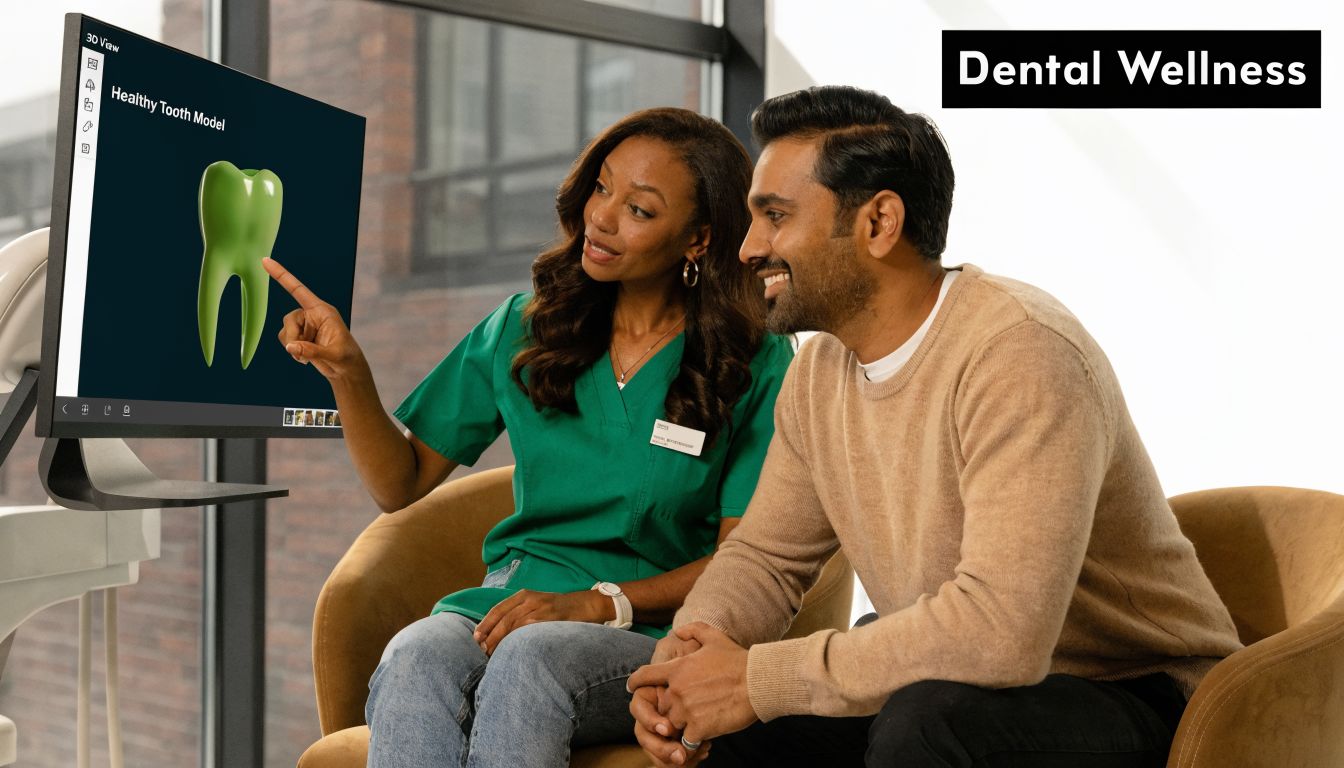
Preventive dental care means taking regular steps to keep teeth, gums, and the rest of the mouth healthy before serious problems develop.
That sounds simple, but people often confuse preventive care with “just a cleaning.” It’s broader than that. A preventive approach combines what you do at home with what your dental team monitors in the office.
Think of it like routine maintenance
A good comparison is car maintenance. You change the oil, check the tires, and pay attention to warning signs so you don’t end up stranded with a major repair.
Your mouth works the same way. Preventive dentistry helps your dental team spot early wear, early decay, gum irritation, changes in your bite, and other signs that something needs attention before it becomes more involved.
If you want a deeper overview of how this works in everyday care, this guide on why preventative dentistry is the key to a healthy smile is a helpful next read.
The main jobs of preventive care
Preventive care usually does three things at once:
It helps prevent new problems
Good home care, fluoride, sealants, and regular visits lower the chance of decay and gum issues starting in the first place.It helps find hidden issues early
A cavity in its early stage is different from a painful tooth that now needs more complex treatment.It helps stop small problems from growing
Mild inflammation, early grinding damage, or a worn restoration may be easier to manage when found early.
What counts as preventive dental care
Here’s where people often get confused. A preventive visit can include several pieces, depending on your age, risk factors, and what your dentist sees.
Dental exam
This is the doctor’s overall health check of your mouth, teeth, gums, and bite.Professional cleaning
A hygienist removes plaque and tartar that regular brushing can’t fully remove.X-rays when needed
These help detect concerns between teeth or below the surface.Oral cancer screening
This is part of a complete exam and matters even if you have no pain.Fluoride treatment or sealants
These add extra protection for people who would benefit from them.Coaching for home care
Sometimes the most useful part of a visit is learning a small change in brushing, flossing, or daily habits.
Preventive care isn’t “doing more dental work.” It’s often what helps you need less dental work later.
What a Preventive Visit at Our Vienna Office Includes
A lot of anxiety comes from not knowing what will happen once you sit in the chair. A preventive visit is usually straightforward, calm, and more comfortable than many people expect.
The visit starts with information, not pressure
You’ll first review your health history, current concerns, and any recent changes. If you’ve had sensitivity, bleeding gums, jaw tension, or old dental work that feels different, this is the time to mention it.
That conversation matters. It gives context to your exam and helps the team decide what to check more closely.
The cleaning and the doctor’s exam
In most routine preventive visits, the cleaning comes first. The hygienist removes plaque and tartar, especially in areas that are hard to reach at home. Then your teeth are polished and flossed.
The exam is separate from the cleaning. During the exam, Dr. Chauhan checks for signs of decay, evaluates gum health, looks at how your teeth fit together, and screens for changes in the soft tissues of the mouth.
Patients are often surprised by how much a preventive exam includes. It’s not only about cavities. It’s also about bite changes, worn edges, inflamed gums, old fillings, and other signs that can affect comfort and long-term function.
X-rays, fluoride, and other preventive tools
Not every visit looks exactly the same. Some patients need X-rays based on timing, symptoms, or what appears during the exam. Some benefit from fluoride. Some need closer gum monitoring. Children and teens may also benefit from sealants.
For families comparing routine cleaning with more involved gum treatment, this page on teeth cleaning vs deep cleaning helps clarify the difference.
One option for ongoing preventive care in Vienna is Vienna Implant and Family Dentistry, which offers routine exams, cleanings, diagnostic imaging, oral cancer screenings, fluoride treatments, and sealants as part of general dental care.
Why sealants matter for kids
For younger patients, sealants are one of the clearest examples of prevention in action. A sealant is a thin protective coating placed on the chewing surface of a back tooth. It’s painless and quick.
The reason dentists recommend them is simple. The CDC reports that sealants can prevent up to 80% of cavities in the back teeth, where most decay occurs, as noted by the Delta Dental Institute’s summary of preventive dental care research.
What patients usually notice most
Most new patients don’t remember every clinical detail from a preventive visit. They remember whether the visit felt calm, whether someone explained what they were seeing, and whether they left with a clear plan.
That’s what makes preventive care work. It turns dentistry into a routine part of health instead of a last-minute response to pain.
Your Family's Preventive Care Schedule
There isn’t one identical schedule for every person. Age, cavity risk, gum health, medical history, dental anxiety, and past treatment all shape what makes sense.
Still, families usually want a practical rule of thumb. They want to know when to bring in a toddler, what to watch during the teen years, and how adult visits change over time.
A simple way to think about timing
The right schedule should do two things. It should be frequent enough to catch change early, and realistic enough that your family can keep up with it.
This general reference point helps many households in Vienna.
Preventive Dental Care Schedule by Age
| Age Group | Recommended Checkup Frequency | Key Preventive Focus |
|---|---|---|
| Infants and toddlers | As recommended after the first tooth appears or by age 1, then follow your dentist’s guidance | Early exams, home care coaching for parents, cavity prevention habits |
| Children | Regular routine checkups based on dentist guidance | Cleanings, growth monitoring, hygiene habits, fluoride, sealants when appropriate |
| Teens | Regular routine checkups based on dentist guidance | Cleaning, gum care, orthodontic monitoring, sports mouthguard discussions, cavity prevention |
| Adults | Often every six months, or more often if your dentist recommends it | Decay detection, gum health, bite wear, restorations, oral cancer screening |
| Seniors | Regular routine checkups based on medical and dental needs | Gum support, dry mouth concerns, monitoring existing dental work, comfort and function |
If you want a practical overview for common visit timing, this page on how often you should visit the dentist is useful.
Infants and toddlers
Parents often assume baby teeth don’t matter because they’ll fall out anyway. They do matter. They help with chewing, speech, and the spacing for future adult teeth.
An early dental visit is usually more about education than treatment. Parents learn how to clean tiny teeth, what to do with bedtime habits, and which feeding or snacking patterns can raise cavity risk.
Children and teens
This stage is about both protection and observation. Kids need help developing brushing and flossing habits they can maintain. They also need someone monitoring how the teeth are erupting, whether the bite is developing evenly, and whether hard-to-clean back teeth may benefit from added protection.
For teens, prevention often shifts a little. Some need support around orthodontic hygiene. Others deal with sports-related risks, nighttime grinding, or inconsistent home care.
A preventive schedule works best when it matches real life. The goal isn’t perfection. The goal is consistency.
Adults
Adults often think preventive care is only about avoiding cavities. It’s also about protecting the work already in your mouth and monitoring gum health over time.
If you have fillings, crowns, clenching, recession, sensitivity, or a history of skipped appointments, regular visits become even more useful. Many adult dental problems start subtly. Preventive care gives your dentist a chance to catch those changes before they interrupt work, sleep, meals, or confidence.
Seniors
Older adults may need closer monitoring for dry mouth, gum recession, root exposure, and the condition of older restorations. If someone has bridges, crowns, dentures, or implants, preventive visits help keep those areas clean and stable.
This is also a stage where comfort matters. A good preventive plan should fit mobility needs, health conditions, medications, and daily routines, not fight against them.
Anxious About the Dentist? You Are Not Alone
A lot of people know preventive care is important and still avoid it. The reason isn’t laziness. It’s fear, embarrassment, bad past experiences, gag reflex issues, sensory discomfort, or the stress of not feeling in control.
That fear is real. It also creates a pattern that’s hard on patients. The longer someone avoids routine care, the greater the chance they’ll return only when something is painful or urgent.

Why avoidance makes dentistry feel bigger
When patients skip checkups, small concerns have more time to grow. A simple cleaning can turn into deeper gum treatment. A tiny area of decay can become a cracked tooth or infection. Even the emotional part often gets worse, because each month of delay adds more worry.
That’s why anxiety belongs in the preventive conversation. If fear keeps you from showing up, the solution can’t be “just come in anyway.” The solution has to include comfort.
Sedation can support routine care too
Many people associate sedation dentistry with surgery or major treatment. In practice, comfort options can also help with routine visits.
For some patients, nitrous oxide is enough to take the edge off. Others need slower pacing, more explanation, breaks during treatment, headphones, a signal system, or a team that doesn’t rush them. Preventive care works better when the environment matches the patient.
That approach can make a measurable difference. Practices offering sedation options for routine visits can reduce patient no-show rates by up to 30%, according to Delta Dental’s discussion of preventive dental care and anxiety support.
What to say if you’re nervous
You don’t need the perfect wording. Start with one honest sentence.
- “I’ve had bad experiences before.”
- “I get anxious even with a cleaning.”
- “I avoid appointments until something hurts.”
- “I need you to explain things slowly.”
That gives your dental team something useful to work with. It changes the visit from a test of willpower into a care plan that accounts for how you feel.
If anxiety has kept you away, the first successful appointment doesn’t need to be perfect. It just needs to be manageable.
Prevention is also about trust
For anxious patients, preventive care isn’t only clinical. It’s relational. You need to know that someone will listen, adapt, and help you move at a pace you can handle.
That’s one reason routine care can prevent more than cavities. It can prevent the cycle of dread, delay, emergency, and regret that so many nervous patients know too well. When the visit feels calmer, it becomes easier to come back. That consistency is what protects long-term oral health.
Your Partner for Lifelong Oral Health in Northern Virginia
A parent in Vienna brings in a child for a cleaning, then mentions a dull toothache they have been ignoring for months because dental visits make them tense. That is often how long-term care starts. One family visit opens the door to better habits, earlier answers, and a plan that feels manageable instead of overwhelming.
Preventive care gives you a home base for your oral health. It keeps track of the small changes that are easy to miss on your own, much like routine maintenance helps a car keep running before a warning light turns on. For children, that may mean learning healthy habits early. For adults, it may mean catching wear, gum irritation, or a small cavity before it grows. For older adults, it often means protecting comfort, chewing function, and the teeth they want to keep.
That long view matters because every preventive visit shapes what comes next.
If you stay consistent, dental decisions often remain simpler. You are more likely to need a small filling than a root canal. More likely to protect a natural tooth than replace one later with a bridge or implant. For anxious patients, there is another benefit. Repeated calm, predictable visits can lower fear over time because the dental office stops feeling like a place where bad news always happens.
That is part of Dr. Chauhan’s approach in Vienna, VA. Preventive care is not only about checking for cavities. It is also about helping patients build trust in the process, ask questions without feeling rushed, and get support if anxiety has kept them away. When needed, sedation options can help make routine care possible for patients who might otherwise postpone visits until pain forces the issue.
A good preventive relationship should leave you with three clear things: an understanding of where your oral health stands, a practical next step, and a realistic plan you can keep.
For families across Northern Virginia, Vienna Implant and Family Dentistry focuses on care that stays steady over time. If it has been a while since your last checkup, restarting now can be the step that helps you stay comfortable, protect your natural teeth longer, and reduce the chance of needing more involved treatment later.
If you’ve been putting off care because life got busy or dental anxiety took over, schedule a preventive visit with Dr. Chauhan’s team at Vienna Implant and Family Dentistry. A simple visit now can make future treatment easier, smaller, and less stressful.